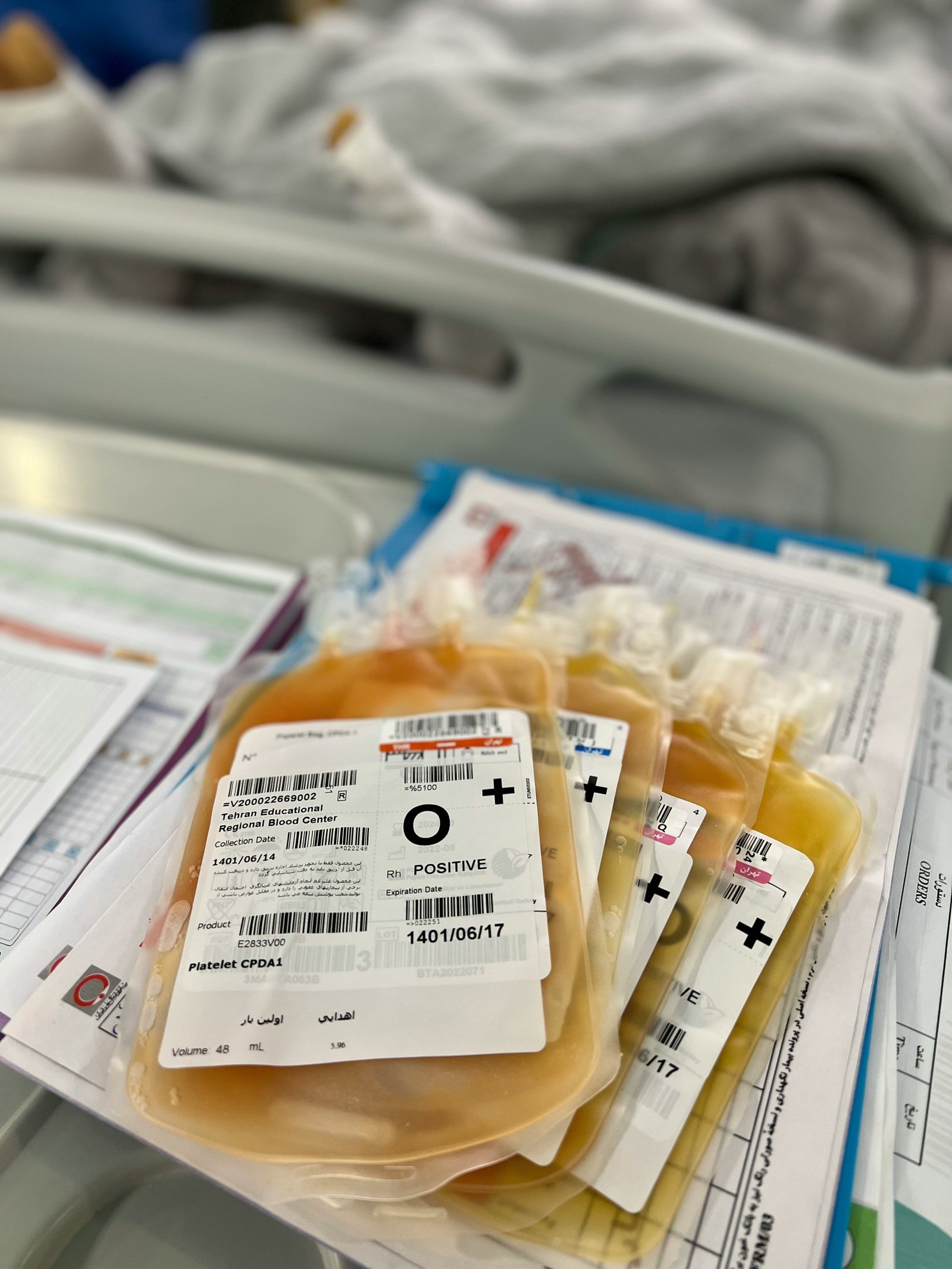

Calls for accountability are growing following the news that Jehovah’s Witnesses’ leadership has introduced a major reversed blood policy, easing decades of strict restrictions on medical treatments using donated blood. The Governing Body announced that individual members can now make personal conscience decisions regarding the four primary components of whole blood: plasma, platelets, and red and white blood cells. While the organization still holds its traditional ban against whole-blood transfusions, critics and former members point out that this sudden policy shift comes after countless believers lost their lives obeying previous strict directives, sparking intense debate over legal responsibility and religious overreach.
Understanding the Shifts in the Reversed Blood Policy
The latest updates represent two major changes in how the religious organization handles medical care directives.

Members are now permitted to accept or donate medical products derived from red cells, white cells, platelets, and plasma based on personal conscience. Earlier this year, the Governing Body updated guidelines to allow members to store their own blood for future surgical procedures. The organization continues to prohibit direct transfusions of whole blood, citing its interpretation of biblical texts to abstain from blood.
Decades of Friction: Medical professionals and legal experts have long criticized these rules, noting that refusing blood in emergencies often leads to preventable deaths.
Opinion
Leaders spent decades telling followers that a medical procedure will destroy their eternal salvation; they are exerting the absolute highest form of control over human life. Religious slavery and blind obedience are among the hardest burdens in the world because they force people to sacrifice everything, even their own children, out of fear of total social shunning and spiritual condemnation. For decades, devout Jehovah’s Witnesses chose to die on hospital beds, refusing routine treatments because the Governing Body insisted that God demanded it.
Now, with a simple video message and a website post, the leaders quietly roll out a reversed blood policy, reclassifying major blood components as a matter of personal choice. This sudden shift makes you step back and ask: what about the people who died last year, or ten years ago, obeying the previous rules? How do you tell a grieving parent that the exact procedure their child died refusing is now suddenly allowed as a personal conscience decision?
There is something deeply troubling and shady about leadership making decisions that cost human lives and then quietly changing the rules without taking responsibility. If a corporate executive or medical board issued mandatory guidelines that led directly to thousands of preventable deaths, they would face criminal investigation and prison time. Religious leaders should not get a free pass under the banner of faith. Holding leaders legally and morally accountable for the direct real-world consequences of their doctrines is the only way to protect vulnerable believers from extreme institutional control.
The Future of Accountability Under the Reversed Blood Policy
As information about this reversed blood policy spreads, the tension between religious authority, individual freedom, and medical ethics continues to escalate. Former members and human rights advocates continue to demand transparency and legal scrutiny for high-level decisions that carry life-or-death consequences.