

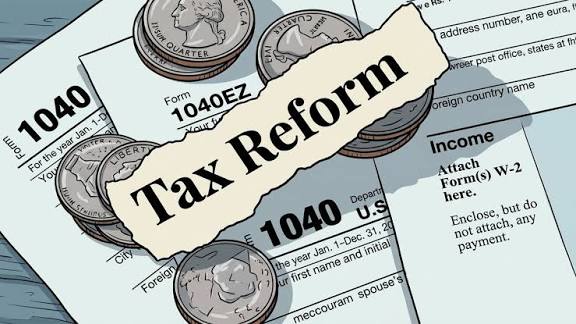
The announcement that new tax laws will take effect from January 1, 2026, has stirred strong reactions across Nigeria. Chairman of the Presidential Committee on Fiscal Policy and Tax Reforms, Taiwo Oyedele, insists the date is fixed and that the reforms are meant to relieve ordinary Nigerians. But many are asking: are these reforms truly for the people, or will they create more confusion and hardship?
What the government says
Oyedele spoke after a briefing in Lagos with President Bola Tinubu, stressing that the reforms aim to reduce the tax burden for most Nigerians. He said about 98 percent of workers will either pay no Pay-As-You-Earn (PAYE) tax or lower taxes, while small businesses—about 97 percent—will be exempt from corporate income tax, Value Added Tax (VAT), and withholding tax. Larger companies will also see some reduction in their tax liabilities.
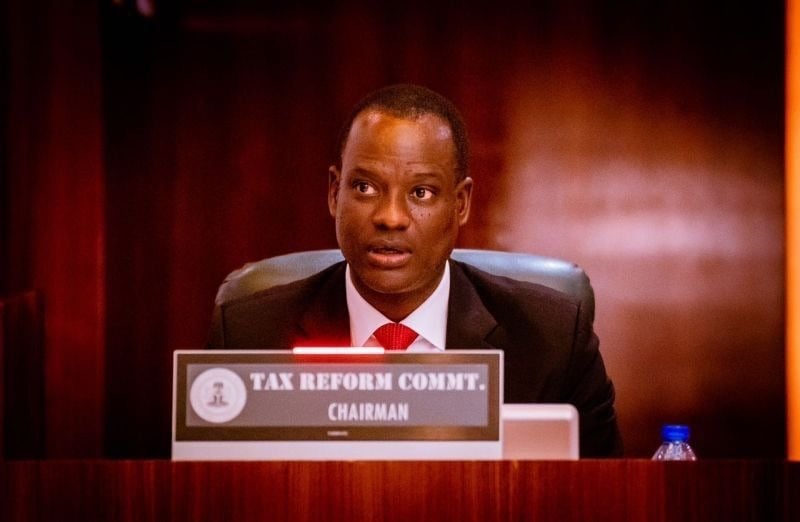
The chairman explained that the reforms are designed to promote economic growth, inclusivity, and shared prosperity, claiming that Nigerians will feel the benefits soon. He also noted that the government is open to working with the National Assembly to address any concerns raised about the laws.
Rising concerns from lawmakers
Despite the assurances, some legislators are raising alarm. House of Representatives member Abdussamad Dasuki argued that discrepancies exist between the versions of the tax laws debated and the versions that were gazetted. He said lawmakers do not have access to the harmonized bills certified by the clerk, making it hard to verify if what was signed into law reflects parliamentary intent.
Dasuki emphasized that only lawmakers can authoritatively say what was actually passed, raising questions about transparency and accountability in the process.
Opposition and public outrage
The tax reforms have faced opposition from federal lawmakers, particularly from the northern region, who fear that the changes may not benefit all Nigerians equally. Some believe that the January 1 deadline is rushed, leaving little time for businesses and workers to adjust to the new rules.
Many Nigerians are concerned that implementing such sweeping changes without full clarity could cause confusion in payroll systems, tax compliance, and business planning. Some small business owners worry about hidden costs and penalties that might emerge once the laws take effect.
Balancing relief with challenges
The government insists that the reforms are beneficial and that most Nigerians will gain from reduced taxes. However, the timing and lack of full transparency have amplified outrage, making it a politically sensitive issue just days away from implementation.
Bottom Line
While the intention behind the January 1 reforms may be to stimulate growth and ease burdens, the controversy surrounding discrepancies in the laws and the tight timeline raises legitimate concerns.
The country faces a delicate balancing act: implement sweeping tax reforms quickly while ensuring fairness, clarity, and minimal disruption. Only time will tell if this move will succeed or backfire.