Technology giant Nvidia has engaged prominent US law firm Wachtell, Lipton, Rosen & Katz to oversee an investigation into its chief executive and co-founder, Jensen Huang, following his admission of an extramarital relationship with a business executive identified by US intelligence agencies as a Chinese spy.
According to two people familiar with the decision, the law firm will advise Nvidia’s board of directors as it examines the circumstances surrounding the relationship and the potential implications for the company.
Wachtell is widely recognised in corporate America for advising senior executives and businesses on complex legal and governance matters.
The investigation is being led by Joon H. Kim, a partner at the firm whose expertise includes high-profile litigation and regulatory enforcement. Kim previously served as acting U.S. Attorney for the Southern District of New York between 2017 and early 2018.
He was also appointed in 2021 by New York Attorney General Letitia James to assist with an investigation into allegations of sexual harassment and other misconduct involving former New York Governor Andrew Cuomo. The controversy eventually led to Cuomo’s resignation.
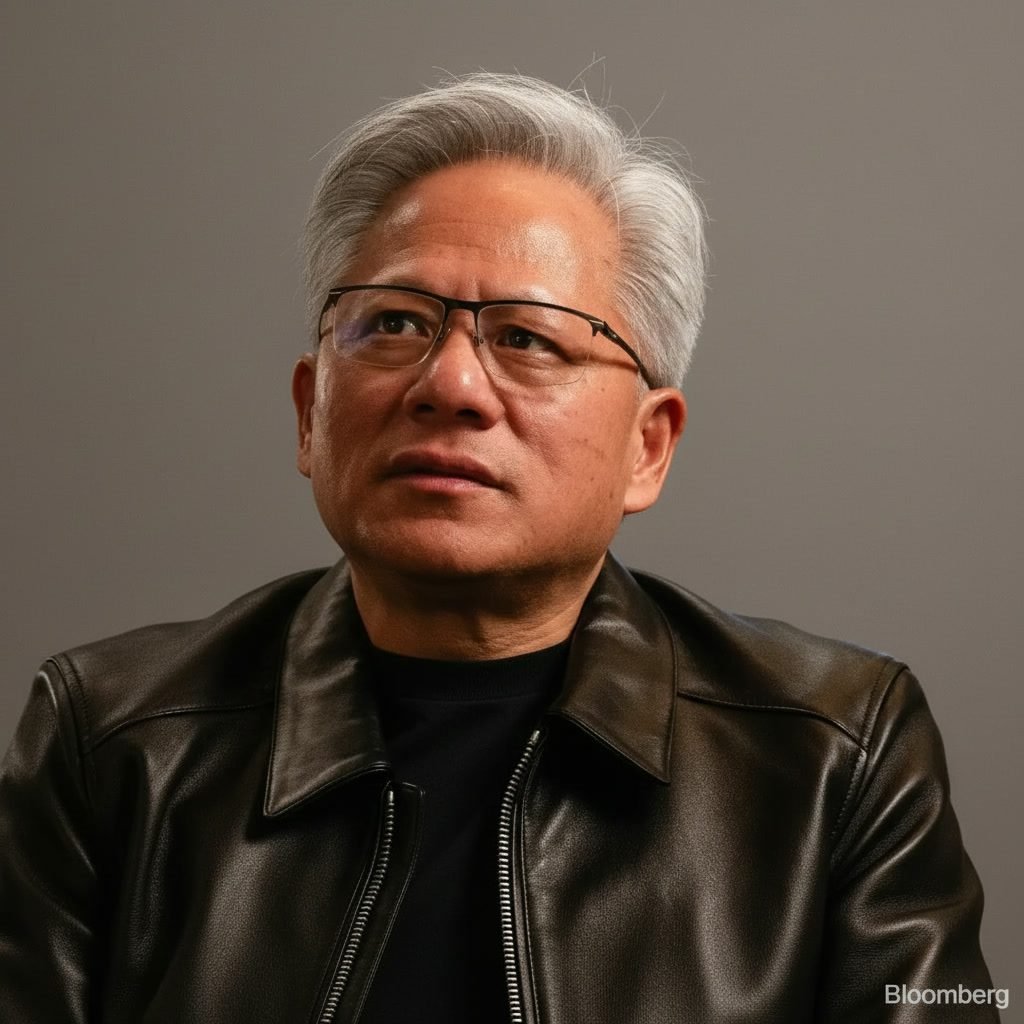
Nvidia disclosed the investigation on Sunday, explaining that it had not found evidence suggesting that national security or the company’s confidential information had been compromised.
The company stated that it had “no reason to believe that either national security or Nvidia secrets were compromised,” while adding that “the board’s inquiry will examine all available information.”
It also confirmed that Huang was aware of the investigation and had agreed to cooperate fully.
China has dismissed the espionage allegations, while Alice Huang, the Chinese business executive accused of maintaining the relationship with the Nvidia chief and spying for Beijing, has yet to respond to requests for comment.
Meanwhile, questions have also emerged about the relationship between Jensen Huang and Nvidia’s board, particularly regarding the board’s influence over the company’s leadership and business decisions.
The New York Times previously reported that Huang has largely regarded the board as a corporate governance requirement rather than an important participant in Nvidia’s strategic planning and daily operations.
Nvidia’s board comprises 10 members, including early investors, longstanding business associates and other corporate executives. Collectively, they have spent 161 years serving on the board, with several members having maintained professional relationships with Huang for decades.
Among them are Mark A. Stevens and Tench Coxe, who have connections to venture capital firms that provided Nvidia with its initial investment in 1993.
Two other directors, Harvey C. Jones and A. Brooke Seawell, previously held executive positions at a chip-design company that collaborated with Nvidia during the 1990s.
The investigation is expected to examine the available information surrounding the allegations and determine whether the circumstances raise concerns about Nvidia’s corporate governance, business interests or national security.