In a tight midterm contest that defied heavy Republican spending and statewide registration trends, Kansas stays blue as Cindy Holscher beats outspent GOP opponent Ty Masterson to win the state’s governorship. Democratic state Senator Cindy Holscher narrowly defeated Masterson, the Republican state Senate President endorsed by President Donald Trump, to succeed term-limited Democratic Governor Laura Kelly.
Although registered Republicans outnumber registered Democrats nearly two to one in Kansas and Trump carried the state by double digits in the past three presidential elections, voter frustration over national economic conditions helped propel Holscher to victory. Her win also coincided with broader Democratic momentum in the traditionally conservative state, where Democratic challenger Adam Hamilton unseated Republican Senator Roger Marshall.
Overcoming a 3-to-1 Spending Disadvantage and National Headwinds
Holscher’s path to the governor’s mansion required overcoming a massive financial gap, as ad-tracking firm AdImpact reported that Republicans held a nearly 3-to-1 advertising spending advantage during the general election.
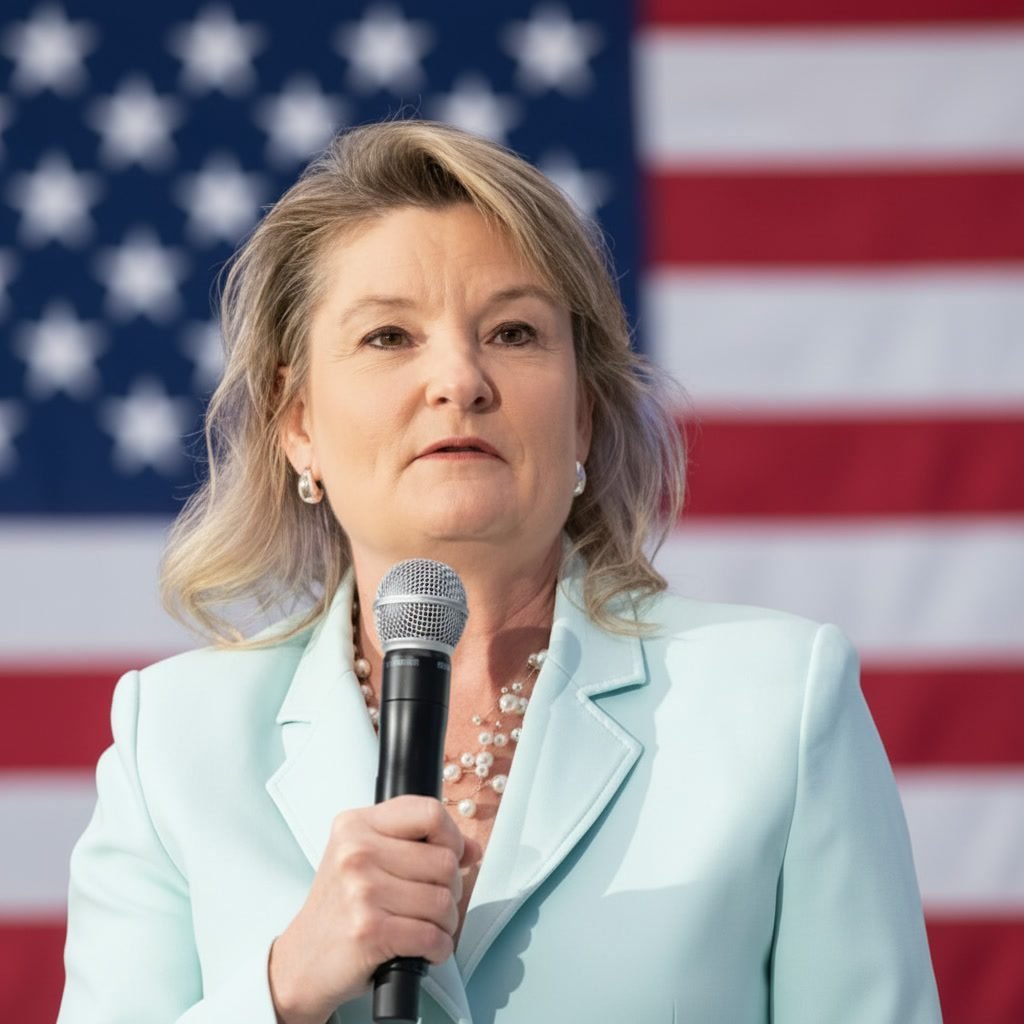
Throughout the campaign, Holscher worked to tie Masterson closely to Trump while promising voters she would find practical ways to cooperate with the federal administration when it benefited the state. Speaking to local station KMBC in October, Holscher questioned whether Masterson would ever push back against federal policies like import tariffs harming Kansas farmers or foreign beef imports undercutting local ranchers, while pledging to work alongside Washington to deliver positive results for Kansans.
Masterson, despite carrying Trump’s endorsement, attempted to downplay his ties to the president on his campaign website and promotional materials. However, that distance proved difficult to maintain as Trump’s approval ratings slipped across the state and the president traveled to Kansas on the final weekend before Election Day to campaign directly alongside Masterson and Senator Marshall. Once again, the final result proved that Cindy Holscher beats GOP opponent forces by tapping into local economic anxieties.
Data Center Battle and Overcoming Democratic Primary Infighting
Alongside national economic issues, Holscher made opposition to rapid data center expansion a central pillar of her campaign. In campaign advertisements filmed in a Kansas sunflower field, she warned that big tech developments threatened local communities and state budgets, calling for a statewide moratorium on new data center construction until strict guardrails could be established. Masterson opposed any pause on construction and defended a 2025 law he backed that granted sales tax exemptions for data center investments, drawing heavy financial support last month from a pro-data center super PAC called Building the Future.
Before facing Masterson, Holscher also had to unite her own party following a bruised Democratic primary. Outgoing Governor Laura Kelly, despite holding strong job approval ratings, had endorsed Holscher’s more moderate primary rival, state Senator Ethan Corson, and publicly warned voters that she was concerned about the direction Kansas would take under Holscher’s more progressive platform. After Holscher won the nomination, Kelly threw her support behind her, helping pave the way for a general election outcome where Kansas stays blue as Cindy Holscher beats outspent GOP opponent money to keep the governor’s office in Democratic hands.
My View
Cindy Holscher’s victory in Kansas proves a timeless political lesson: voters care far more about protecting their land, farms, and family budgets than they do about expensive campaign ads or national party labels.
Republicans poured massive amounts of money into this race and brought in heavy national endorsements, assuming that a deep-red voter registration advantage would automatically carry Ty Masterson into the governor’s office. Instead, they ignored genuine frustration among everyday Kansans, from farmers squeezed by tariffs and beef imports to rural communities worried about giant tech data centers draining local resources under taxpayer-funded breaks.
When elected officials prioritize big corporate donors and national political loyalty over listening to the people in their own backyard, voters eventually push back. Holscher’s win, even after facing opposition from within her own party’s leadership during the primary, shows that standing firm on clear, local protections can overcome a 3-to-1 spending disadvantage. Now, as she steps into office alongside lieutenant governor-elect KC Ohaebosim, Holscher owes it to those voters to keep her word, enforce real guardrails on corporate development, and govern with common sense for every Kansan.