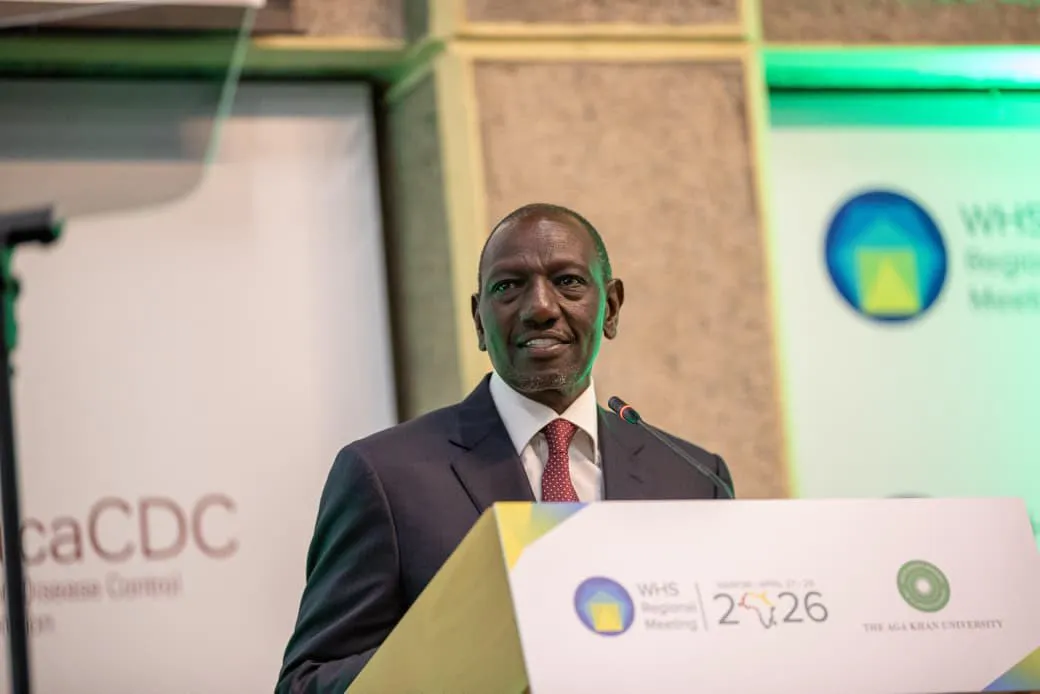

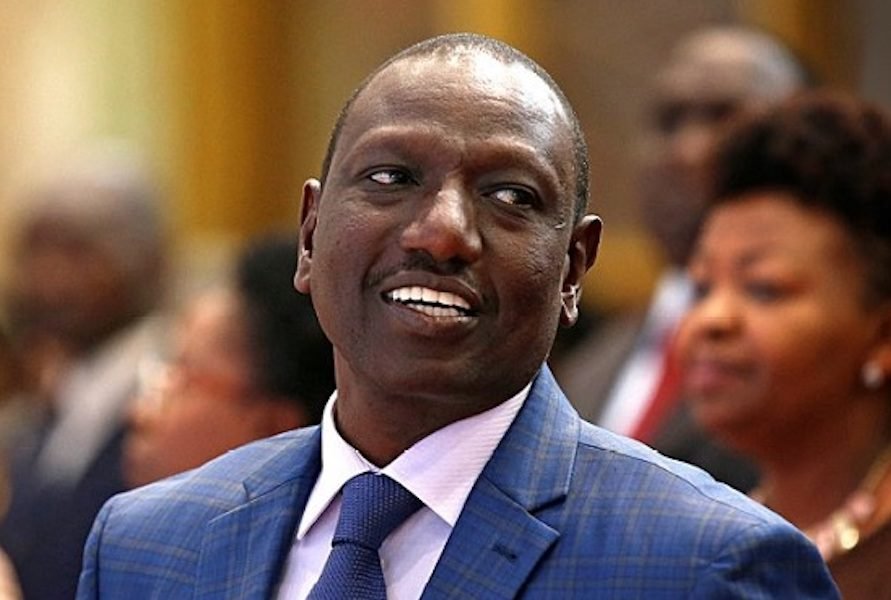
Kenyan President William Ruto has ordered a crackdown on foreigners operating small-scale businesses, saying local traders and hawkers need to be protected.
“From next week, all traders doing those small businesses should close them,” he said, also promising to fast-track proposed legislation to preclude foreigners from certain areas of trade.
Ruto said Kenya remained open to foreign investment, but argued that investors — including Chinese traders — should create jobs and expand production rather than compete with Kenyans in small businesses.
“It cannot be that a person comes from China or elsewhere to be a hawker or open a small shop,” he said in an address to small-scale traders at State House in Nairobi on Wednesday afternoon.
“We have made efforts to improve the economy, we have not improved investor confidence for hawkers to come to Kenya,” said Ruto, who plans to seek a second term in next year’s election.
The Context
It is unclear how many foreign nationals are involved in small-scale trading or how many would be affected by the new crackdown. Kenya hosts a large refugee population, some of whom live and work outside the country’s refugee camps. Government figures show that Kenya had about 857,000 registered refugees and asylum seekers by the end of June, with nearly 14% living in urban areas.
Kenyan law recognises the right of refugees to work and operate businesses, although they are required to obtain the appropriate documentation. Refugees wishing to work or engage in a trade or business can apply for a special permit.
The Tensions
In Nairobi and other major towns, migrants from the region can be found working in barber shops and salons, construction, operating motorbike taxis and street vending, as well as selling clothes, food and household goods. Some have fled conflicts or economic hardship at home, while others have moved to Kenya in search of better opportunities under the relatively free movement of people allowed within the East African Community
The growing presence of foreigners has at times caused tensions with local traders and workers who accuse them of competing for scarce jobs and business opportunities. In July, a video of a Kenyan man confronting a Burundian trader in Nairobi and accusing him of taking opportunities from locals sparked widespread criticism.
Regional Concerns
While Ruto’s latest move is likely to prove controversial given Kenya’s status as a regional economic hub, it also comes amid wider concerns about xenophobia elsewhere in Africa. This year South Africa has seen a wave of protests about undocumented migrants — and tens of thousands of Africans there have opted to be repatriated voluntarily, some saying they have been the targets of intimidation and attacks.
The Bottom Line
Kenyan President William Ruto has ordered a crackdown on foreigners operating small businesses, saying local traders must be protected. The move comes amid growing tensions between local traders and migrants from other African countries. Ruto argued that foreign investors should create jobs rather than compete with Kenyans in small-scale trade. The crackdown is expected to affect migrants from across the region, including refugees and those working in Kenya’s informal economy.