
Libya, a significant oil producer in North Africa, is once again on the brink of political and economic turmoil as rival factions vie for control over the Central Bank of Libya (CBL) and the nation’s vital oil revenues. This struggle threatens to end a four-year period of relative peace, potentially destabilizing the country further.
Shutdown of Oil Production and Exports
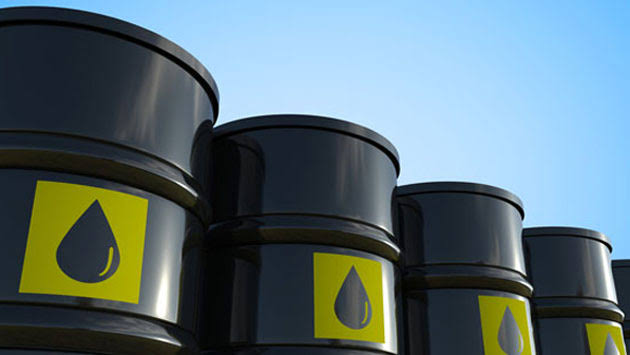
As of Thursday, more than half of Libya’s oil production, amounting to approximately 700,000 barrels per day (bpd), has been halted. This significant drop in production has been accompanied by a suspension of exports at several key ports, including Es Sidra, Brega, Zueitina, and Ras Lanuf. These ports, located in Libya’s Oil Crescent, are crucial to the country’s hydrocarbon exports.
Reports from engineers at these ports indicate that four vessels, each carrying 600,000 barrels of oil, had managed to load and depart earlier in the day. The ongoing halt in operations poses a severe threat to Libya’s economy, which is heavily dependent on oil revenues.
Impact on Oil Fields and Production
The production cuts have not been limited to the ports. The Waha Oil Company, a subsidiary of the National Oil Corporation (NOC), has seen its output drop dramatically from 280,000 bpd to 150,000 bpd. Further declines are anticipated. Other major oilfields, including Sharara, Sarir, Abu Attifel, Amal, and Nafoora, have also experienced production halts or significant reductions. Collectively, these disruptions have taken roughly 700,000 bpd of oil output offline, a substantial portion of Libya’s July output of 1.18 million bpd.
Political Standoff and Economic Consequences
The current crisis is deeply rooted in the political rivalry between Libya’s eastern and western factions, which have been vying for power since the 2011 NATO-backed ouster of Muammar Gaddafi. The immediate trigger for the crisis is the contentious removal of veteran central bank governor Sadiq al-Kabir by the Tripoli-based Presidency Council. This move has been rejected by the eastern-based House of Representatives and the Libyan National Army, led by Khalifa Haftar.
In response, eastern factions have vowed to maintain the oil production shutdown until al-Kabir is reinstated. This standoff not only threatens Libya’s oil-dependent economy but also raises the specter of renewed conflict, with potential ramifications for global oil markets.
Historical Context of Oil Blockades
Libya has a history of using oil blockades as a political weapon in the post-Gaddafi era. These blockades have ranged from short-lived, localized disruptions to prolonged national shutdowns. The longest of these blockades occurred in 2020 when Haftar’s forces halted nearly all production for eight months. This blockade was only resolved as part of a broader agreement following the collapse of Haftar’s assault on Tripoli.
Why it Matters
The current crisis underscores the fragile nature of Libya’s political landscape, where oil revenues are both a critical economic lifeline and a lever of power. The shutdown of oil production not only deprives the country of essential revenue but also exacerbates the divisions between its eastern and western factions.
Should the standoff continue, the economic consequences could be severe, with potential disruptions to global oil supply and prices. Moreover, the prolongation of this crisis could lead to further instability, undoing years of diplomatic efforts aimed at securing a lasting peace in Libya.
The consulting firm Rapidan Energy Group has warned that production losses could reach between 900,000 and 1 million bpd if the crisis persists, with the potential for the disruptions to last several weeks. Such a scenario would have far-reaching implications, not only for Libya but also for international energy markets, which are already sensitive to supply disruptions.
Conclusion:
The ongoing oil crisis is a stark reminder of the Libya’s precarious situation, where political power struggles have far-reaching consequences for both its domestic stability and global economic interests. As the world watches, the resolution of this standoff will be crucial in determining whether Libya can navigate its way out of yet another period of instability or whether it will plunge deeper into chaos.