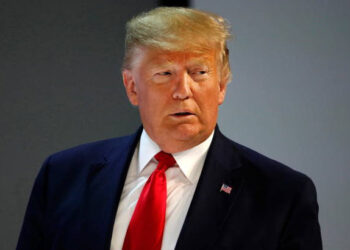
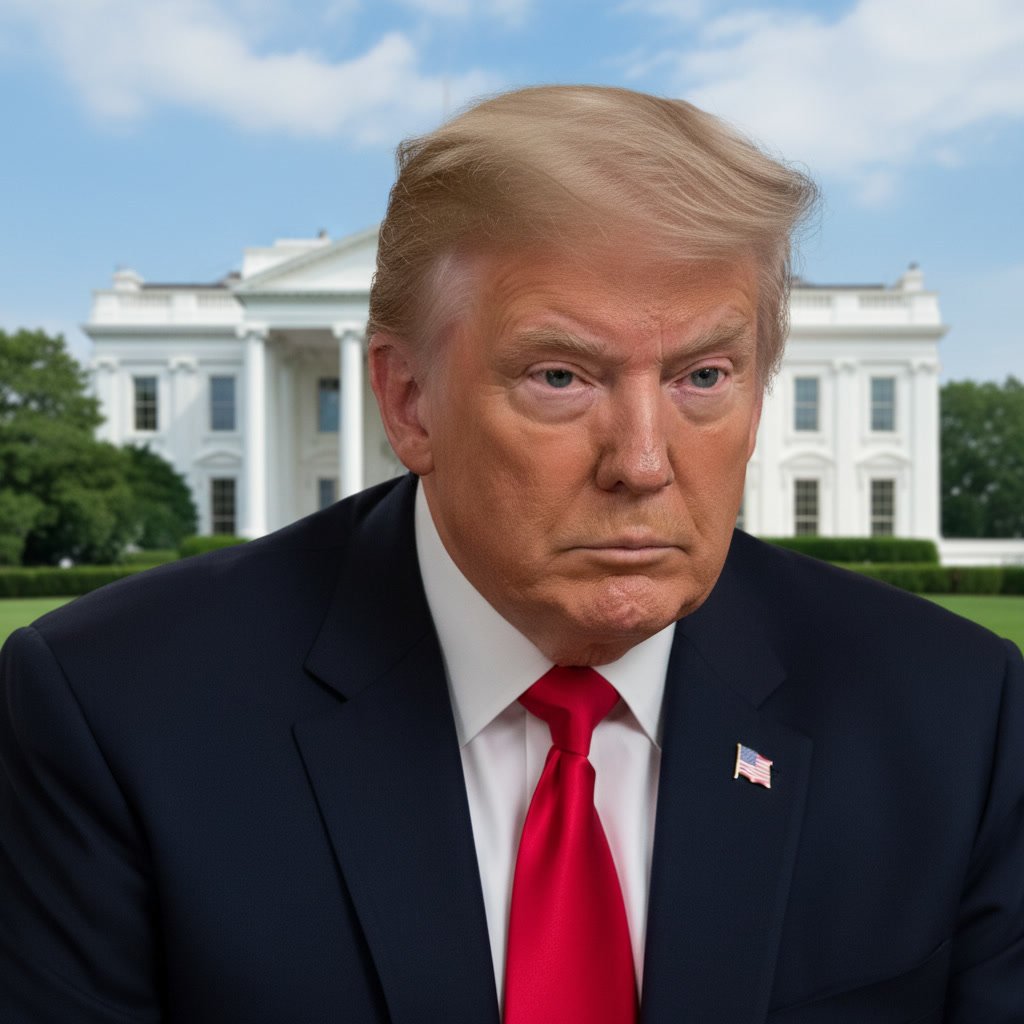

As national election day draws near, low approval ratings cloud Trump midterm campaign push efforts across key congressional battlegrounds, creating dilemmas for Republican candidates striving to protect fragile majorities in the House and Senate. President Donald Trump launched an aggressive, multi-state travel schedule in October, conducting eight arena rallies, including a recent stop in Syracuse, New York to energize conservative voter turnout. However, veteran political strategists and local organizers report noticeable shifts on the ground, pointing to visibly smaller venue attendance and declining national approval ratings that reflect broad public frustration over lingering inflation, high fuel prices, and executive policy disputes.
The campaign tour reveals a contrast compared to previous election cycles. While dedicated supporters continue to gather, rally turnouts in traditionally reliable strongholds have dwindled, with several venues showing empty seats in upper balconies and shorter lines outside arenas. In congressional districts where suburban voters hold decisive sway, Republican candidates face difficult messaging decisions. While some
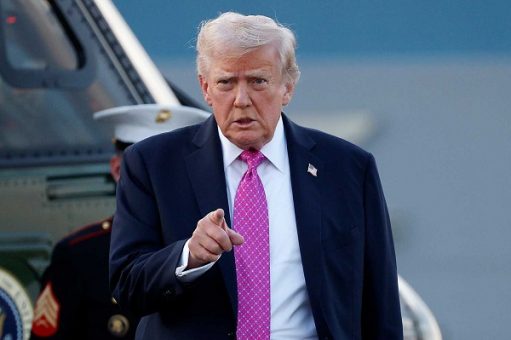
GOP contenders actively embrace the president’s energetic appearances to maximize base turnout, others in competitive swing districts are quietly distancing themselves from federal policy controversial issues, such as military involvement in Middle East energy corridors, recent SNAP food assistance reductions, and executive spending initiatives.
Political analysts note that the administration’s rally blitz aims to replicate past turnout victories by keeping core voters engaged. However, national polling indicates that economic pressures, ranging from elevated grocery bills to rising mortgage rates, are weighing heavily on independent and moderate voters, making presidential endorsements less potent in tight suburban contests.
Midterm Economic Pressures and Base Mobilization
With control of the legislative branch on the line, both major parties view the final pre-election campaign blitz as crucial for setting voter expectations. Democratic strategists are focusing heavily on cost-of-living challenges, highlighting the financial pressures facing working-class households and using the president’s dipping approval numbers to motivate their own coalition. Conversely, White House surrogates argue that direct presidential engagement remains the most effective tool to mobilize grassroots activists and prevent midterm voting apathy among rural and working-class conservatives.
As the administration continues its late-stage campaign push across crucial battleground states, the political impact of presidential rallies remains under intense scrutiny. Whether the White House can overcome economic headwinds and turn out its core supporters will determine whether Republicans hold their slim legislative majorities or hand control of Congress back to Democrats.
My View
The challenges facing the administration’s late campaign blitz demonstrate how economic realities often outweigh political dramatics or lies during midterm election seasons.
Presidential rallies are designed to project momentum, generate local media coverage, and fire up core party loyalists. However, when everyday citizens face persistent inflation, rising gas costs, and shrinking household budgets, stadium speeches lose some of their persuasive power. Midterm elections historically serve as a direct referendum on the sitting president’s economic performance, and no amount of campaign staging can fully mask widespread financial anxiety among voters.
For candidates running in competitive districts, navigating a polarizing presidential brand requires a delicate balance. Relying solely on base turnout risks alienating essential independent voters who prioritize pragmatic economic solutions over partisan politics.
Ultimately, effective governance depends on addressing root economic challenges rather than relying on campaign spectacle to carry an election.