
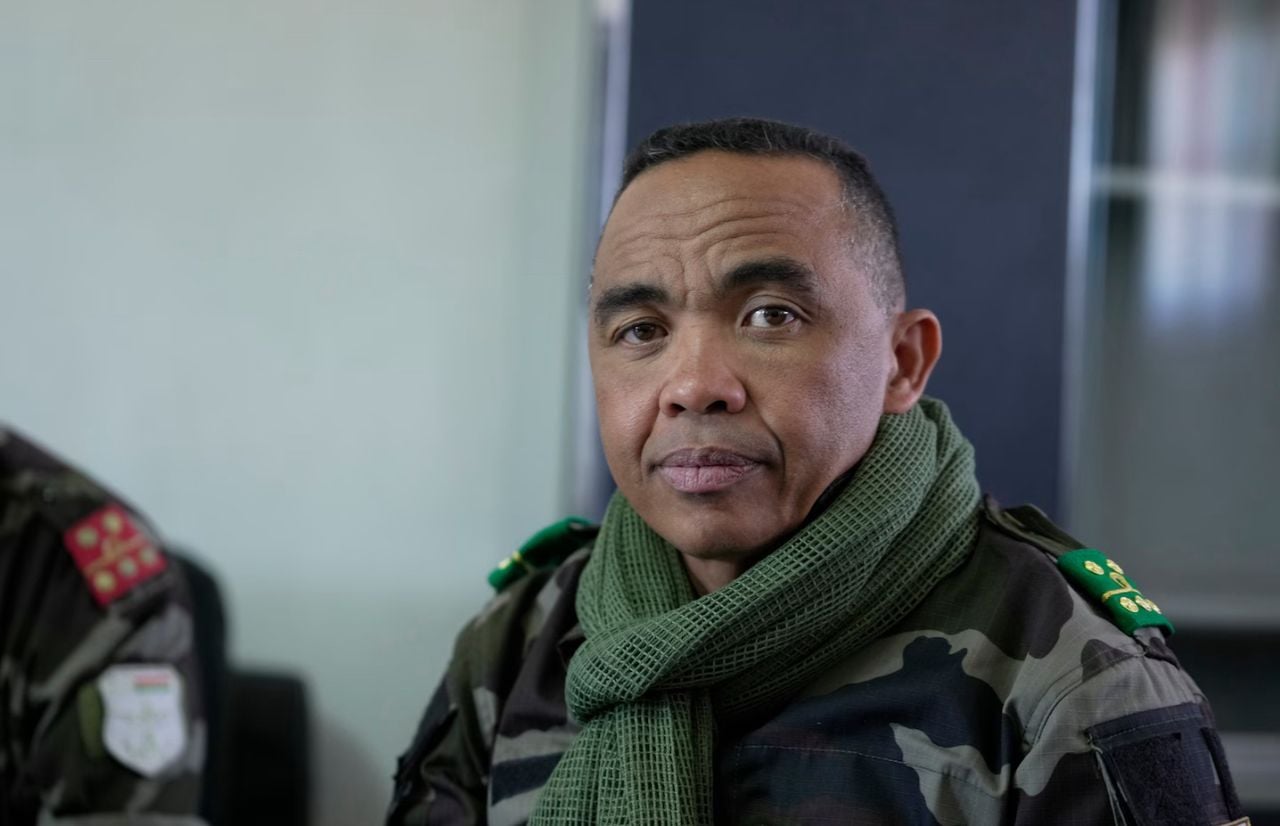
Madagascar’s military ruler unexpectedly dissolved the entire government Monday, dismissing the prime minister and cabinet without explanation in a move that plunges the Indian Ocean island nation’s fragile political transition into uncertainty.
“The government has ceased its functions,” a statement from Col. Michael Randrianirina’s spokesperson said, adding that a new prime minister would be appointed “in line with the provisions stipulated by the constitution”.
No reason was given for the mass dismissal. Randrianirina has not addressed the public since the announcement.
The Transition Unravels
Randrianirina seized power last October, ousting President Andry Rajoelina after weeks of youth-led protests over persistent power and water shortages. The military ultimately sided with demonstrators, forcing Rajoelina — who had been elected to a third term in a disputed 2023 poll — from office.
The military leader pledged to call new elections within two years. In December, the Southern African Development Community directed Madagascar’s authorities to submit a roadmap for restoring democracy, including plans for fresh elections, by the end of February.
Monday’s dissolution comes just days after that deadline passed — and just hours after activist groups issued a 72-hour ultimatum demanding Randrianirina’s resignation.
The Gen Z Factor
The Gen Z movement, whose grassroots mobilization helped bring Randrianirina to power, has grown increasingly frustrated with the military leader’s performance. Leaders of the movement have called for more inclusiveness in the transition process and greater representation in decision-making structures.
Local media reported that activist groups, calling themselves Gen Z and Gen Y movements, recently issued a stark ultimatum: step down within 72 hours, or face renewed protests.
Businessman Herintsalama Rajaonarivelo had been appointed prime minister in October in an effort to bridge the divide between military leadership and civilian government. The Gen Z movement rejected his appointment at the time, saying it was made in a “non-transparent” manner and “without consultation,” and questioned his connections to the previous government.
The group said the decision “runs contrary to the desired structural change” the movement was seeking.
What Happens Now
Randrianirina has assigned permanent secretaries to run ministries’ day-to-day operations until a new cabinet is formed. The process for selecting a new prime minister remains unclear.
The dissolution could mark a significant shift in Madagascar’s political landscape — either a move toward greater inclusivity, as activists demand, or a consolidation of power by a military leader facing growing discontent.
For now, the government is gone. The reasons remain unknown. And a nation that has already weathered months of instability waits to see what comes next.