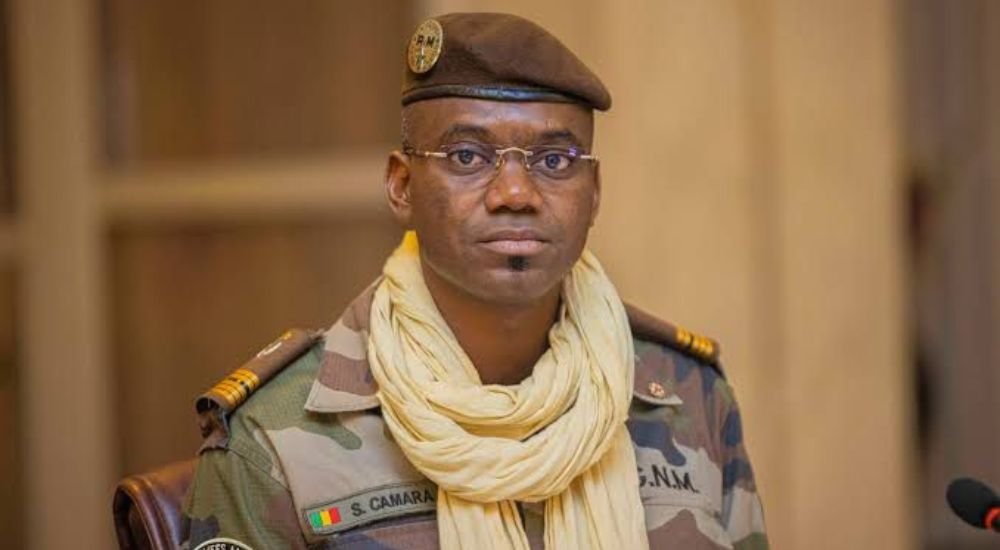
In a coordinated offensive that has redefined the reach of armed groups in Africa, General Sadio Camara was killed during a suicide car bomb assault on his residence in the heavily fortified garrison town of Kati. The fact that attackers reached the heart of the military’s power, just 15km from the capital and mere blocks from Interim President Assimi Goita’s home, suggests a total intelligence failure.
An Unholy Alliance: JNIM and the FLA
The most terrifying aspect of the siege is the unprecedented cooperation between historically clashing groups. The al-Qaeda-linked Jama’at Nusrat al-Islam wal-Muslimin (JNIM) and the Tuareg-led Azawad Liberation Front (FLA) implemented a joint-strike agreement signed last year. While the primary target was Camara in Kati, simultaneous attacks rocked Bamako, Gao, Sevare, and Kidal. As of late Sunday, residents in Kidal report that heavy gunfire and explosions continue, indicating that the rebels are holding territory rather than just conducting a “hit-and-run” raid.
The Impact on the Junta
General Camara was not merely a minister; he was the “strongman” behind the back-to-back coups of 2020 and 2021. Haque of Al Jazeera reports that Camara was seen as the primary successor to President Goita. His death leaves the military leadership without its most influential strategist. While President Goita is reportedly “alive and well” in a secure location, the vulnerability of Kati—once thought to be the safest place in Mali, has sent a clear message that the current government is no longer untouchable.
The Global Ripple Effect
The assassination occurs against a backdrop of global instability, including the ongoing Iran-Israel conflict and the blockade of the Strait of Hormuz. Analysts warn that the regional instability, combined with slowed shipments through Hormuz, could trigger a massive harvest failure across West Africa.
The African Union and the U.S. Bureau of African Affairs have condemned the attacks, but with Western influence in Mali already at an all-time low, diplomatic options remain thin.
As the smoke clears over Kati, the question remains: Can the Malian army hold together without its central pillar? With JNIM and Tuareg rebels now fighting as a unified force, the death of General Camara may be the first domino in a complete regional realignment. Was the death of General Camara a result of superior rebel coordination, or does it expose a fatal rot within the Malian military’s internal security?