
In a sweeping pre-dawn raid targeting the “rotten core” of the city’s building industry, Hong Kong’s anti-corruption agency has arrested 21 people in a major sting, exposing a syndicate allegedly using bribes and intimidation to rig lucrative renovation contracts in the wake of a deadly inferno that killed over 160 people.
The Independent Commission Against Corruption (ICAC) announced the operation on Friday, revealing it had smashed a “triad-linked corruption syndicate” operating at two residential estates. The dragnet ensnared a web of conspirators: middlemen, project consultants, contractors, and members of the buildings’ own owners’ corporations, all allegedly on the take.
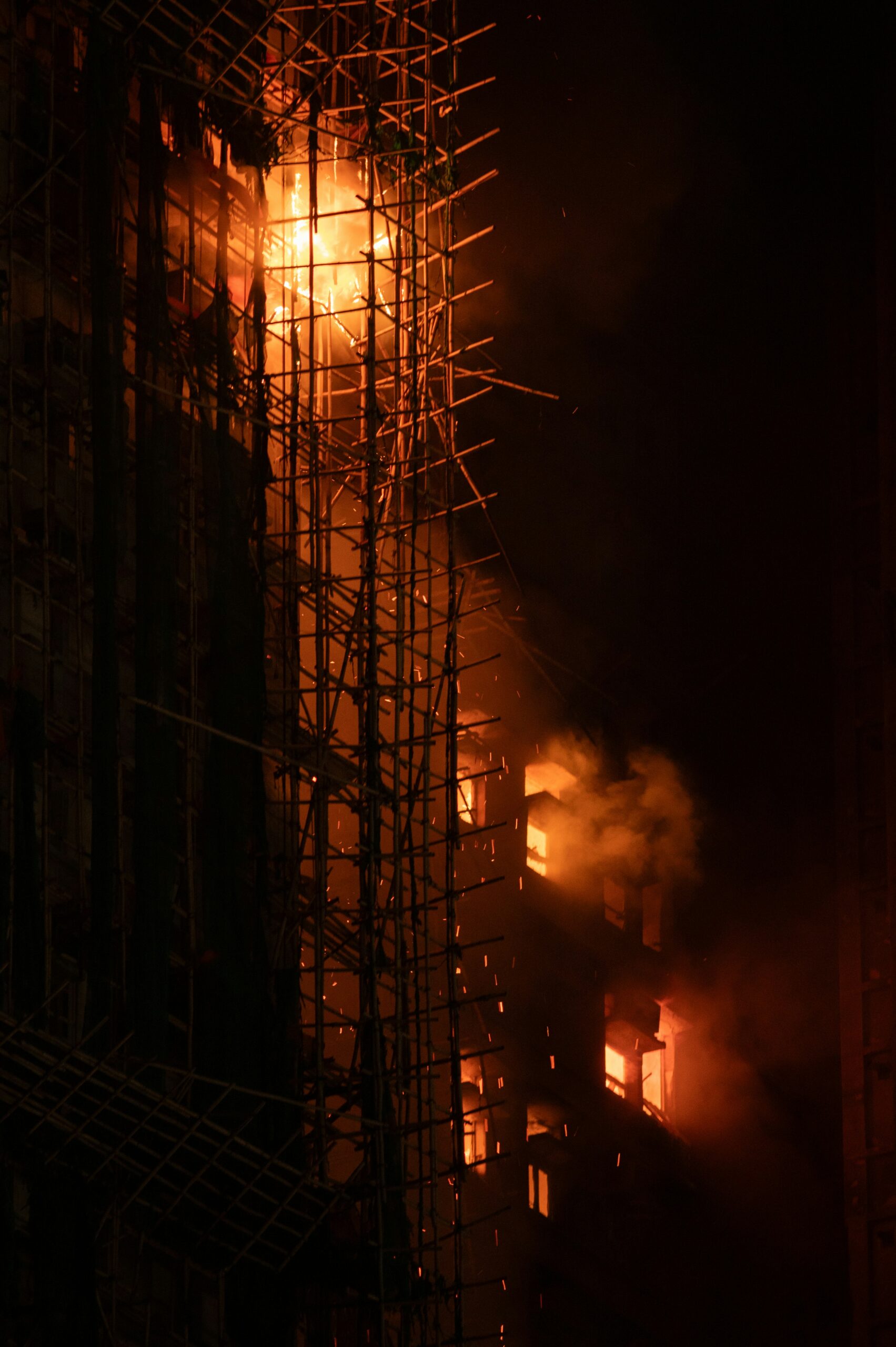
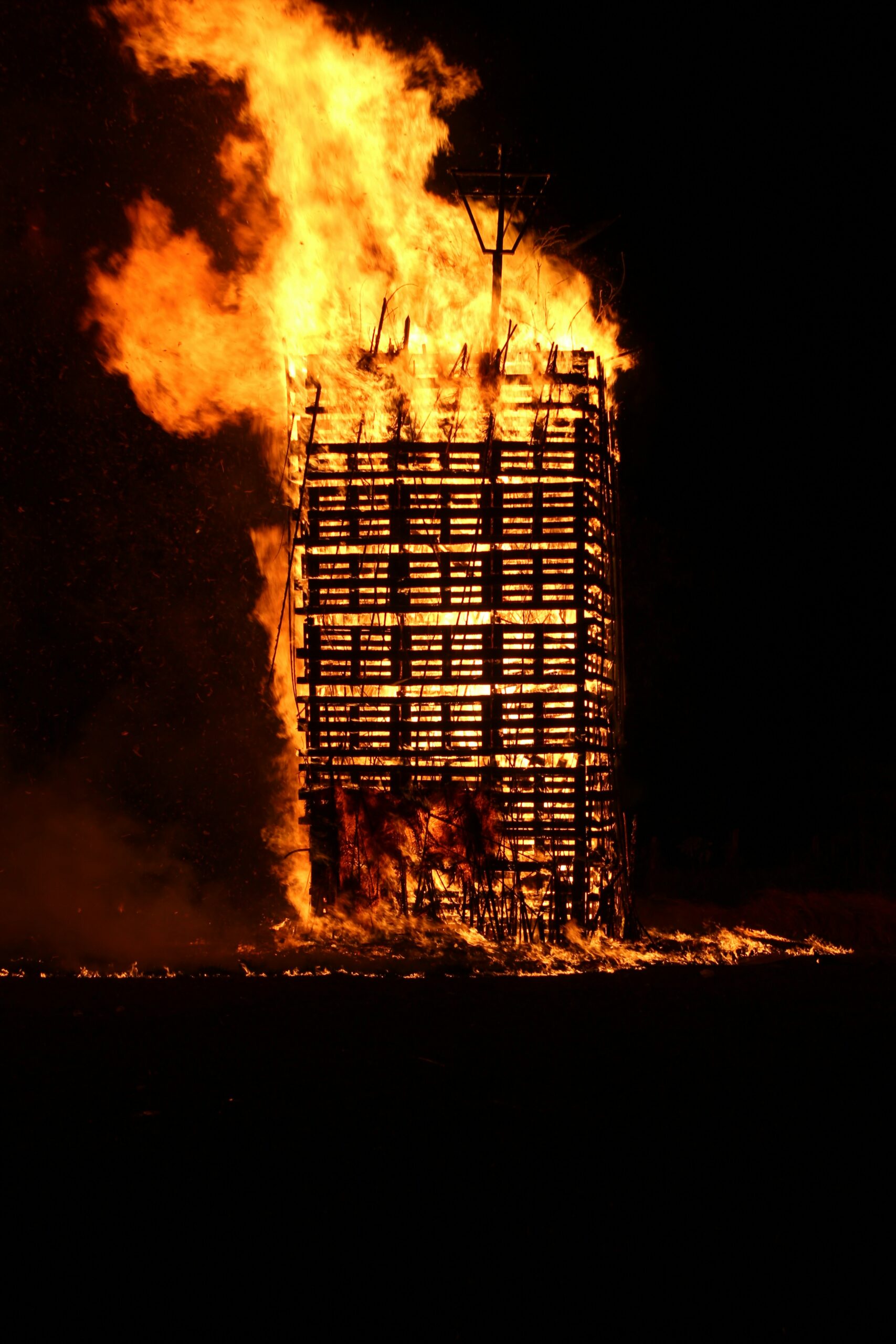
The crackdown comes as the city reels from the catastrophic November 26 fire at Wang Fuk Court, a blaze that ripped through seven high-rise towers and is now suspected to have been fuelled by substandard building materials used in renovation work. The tragedy prompted Chief Executive John Lee to launch an independent investigation into the entire construction industry, specifically probing bid-rigging in contract awards.
While the latest arrests are not directly linked to that fatal fire, they expose the identical, systemic corruption that plagues the sector. In one targeted estate, a contractor is suspected of bribing officials to secure a HK$33 million ($4.24 million) contract. In another, middlemen allegedly used “corrupt means” to collect proxy votes from homeowners, manipulating elections to control future lucrative deals.
“The ICAC has always attached great importance to corruption in building maintenance,” the agency stated, acknowledging that the issue is “closely related to the public.” The operation signals a dramatic escalation in the government’s response to public fury over the fire, which took nearly two days to extinguish.
This is the second major wave of arrests; the ICAC has already detained at least 11 people in a separate, ongoing corruption probe directly into the renovation work at the charred ruins of Wang Fuk Court itself.
The message from authorities is now unmistakable: the era of backroom deals, triad influence, and corner-cutting in Hong Kong’s aging tower blocks is over. But for the families of the 160 dead, the crackdown is a postscript to a preventable tragedy—a revelation that the concrete foundations of their city may have been corroded by greed long before the first flames ever took hold.