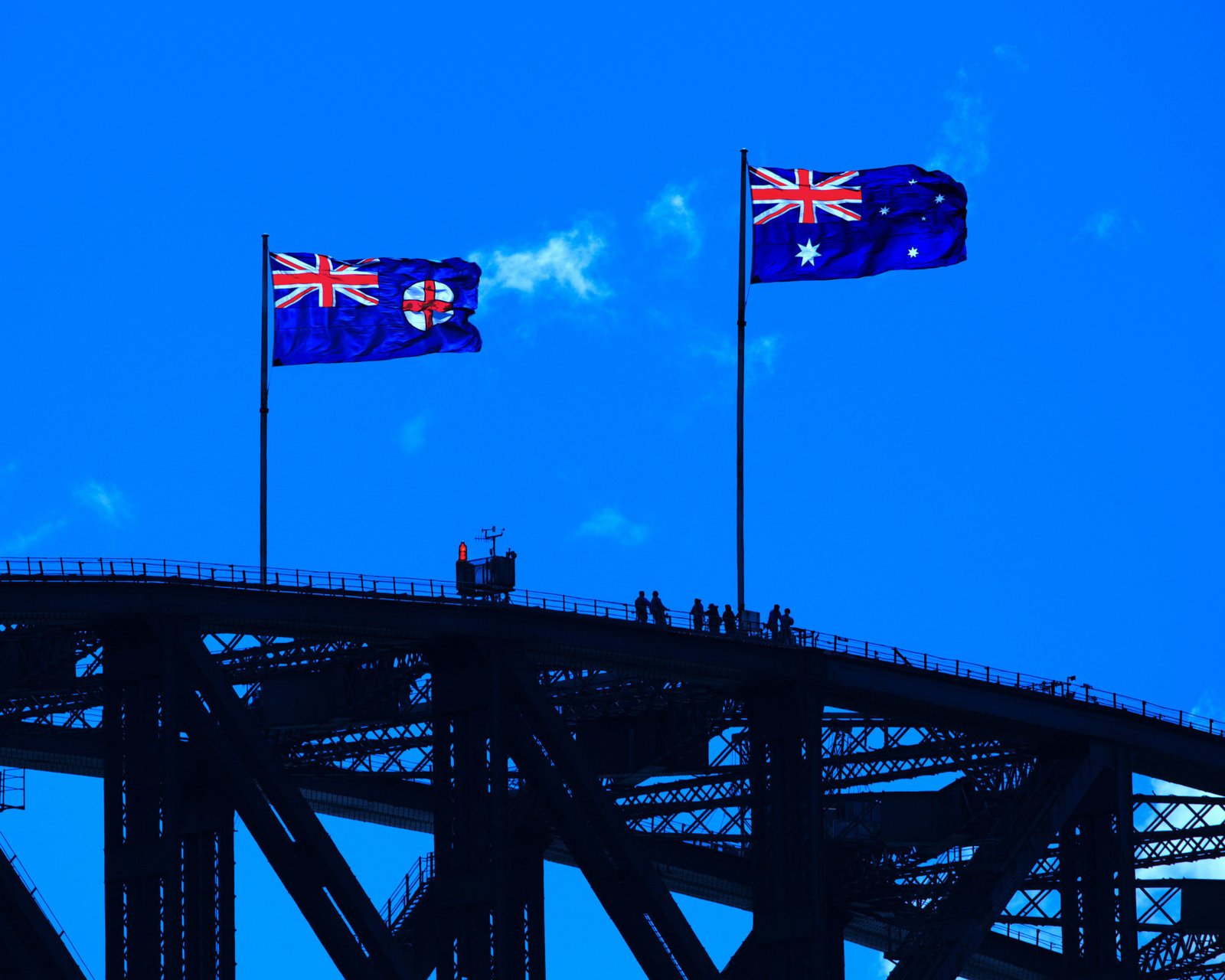

European Parliament President Roberta Metsola has said Australia and New Zealand could become “associate members” of the European Union as the bloc considers closer relationships with countries it regards as like-minded partners.
Metsola made the remarks in an exclusive interview with Euronews ahead of a speech by Canadian Prime Minister Mark Carney on Thursday. She described the proposed arrangement as an option between full EU membership and candidate status.
“There are countries with which we want to deepen our relationship,” Metsola said.
She added, “I don’t doubt that it will include other countries, and others will come knocking at our door…In such times of uncertainty, having friends matters.”
Both Australia and New Zealand already have trade agreements with the EU, which could provide a foundation for expanding cooperation. Canada, which signed a comprehensive trade agreement with the bloc in 2016, has also been presented with the idea of associate membership.

Metsola said discussions on the exact structure of associate membership were still at an early stage. However, she pointed to areas such as stronger trade ties, access to critical raw materials and shared regulations as possible areas of cooperation.
She said such rules could cover issues that “like-minded” countries consider important, including social media and the protection of minors.
The proposal gained prominence on Wednesday after European Commission President Ursula von der Leyen suggested “associate membership” for Canada during her annual State of the Union address.
Carney is seeking closer ties with the EU as Canada faces a trade dispute with the United States, its largest trading partner, with significant tariffs in place.
Amid the tensions, the Canadian government is reassessing its international relationships, while Carney has advocated for greater cooperation among what he describes as “middle powers”.
No reason for retaliation
Following the announcement, US President Donald Trump told reporters that he could consider imposing additional tariffs on the EU if Canada’s proposed associate membership became “hostile”.
The US and EU already have a trade agreement under which European goods face a 15 per cent tariff in the American market.
Metsola played down the possibility of retaliation, stressing that the EU considers its relationships with Canada and the United States separately.
She said the bloc was not seeking to act against any country but remained committed to promoting rules-based cooperation.
Metsola also referenced the trade agreement reached between the EU and US last summer and ratified this year.
A European Commission spokesperson similarly defended the proposal, saying the move was intended to strengthen cooperation rather than target another country.
“The proposed strengthening of our partnership is not against anyone, but for our common strength.”