Mexican avocado workers have returned to farms and processing plants in Michoacán after US authorities lifted a security-related suspension that had temporarily halted avocado exports to the United States.
Among those back at work is 39-year-old Francisco Isidro, who resumed harvesting the day after the restrictions were removed. He climbed an avocado tree about 20 feet high and filled a box with fruit destined for the US within minutes.
“Thank God … and now we’re getting paid!” Isidro said, celebrating his return to work after several days without income.
The restrictions had been imposed for eight days following a US security alert affecting Michoacán, Mexico’s leading avocado-producing state. The suspension forced growers and packing facilities to stop operations, leaving about 200,000 people working in the state’s avocado industry uncertain about their livelihoods.
The US decision came as Mexico deployed more than 1,500 soldiers to the region, where several criminal groups operate. Four cartels active in Michoacán have also been designated as terrorist organisations by the Trump administration.
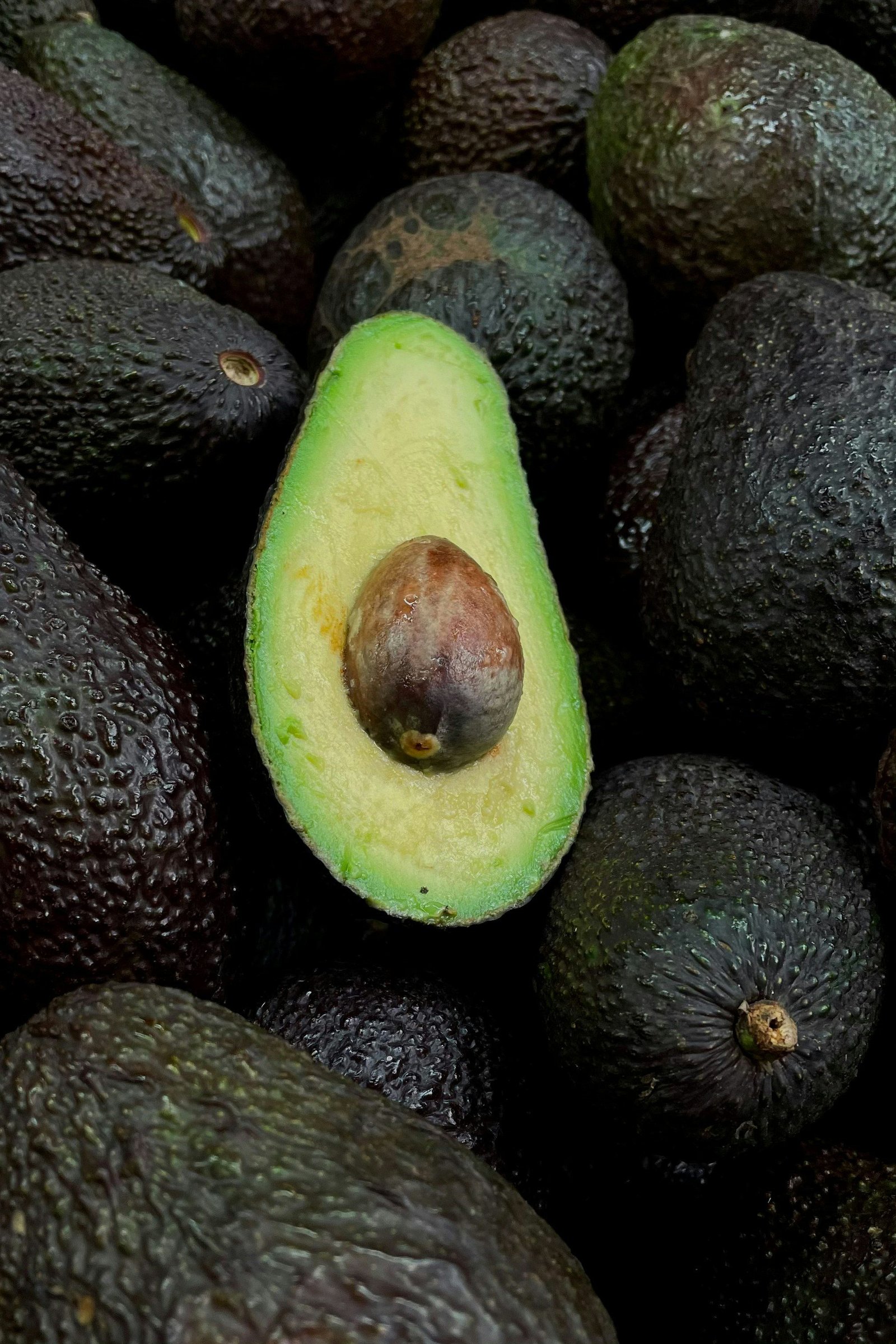
Following the lifting of the restrictions, avocado orchards resumed operations, packing plants returned to full capacity and US Department of Agriculture inspectors went back to certifying shipments for export.
Workers welcomed the development, while some producers expressed hope that the increased security presence would help curb violence and extortion.
“We’ll be safe for a while, we’ll see what happens next,” said Valentín Rodríguez, a longtime avocado industry businessman.
The temporary suspension highlighted the vulnerability of Mexico’s avocado industry to security threats. Criminal groups in Michoacán are involved in extortion, with some farmers reportedly paying fees based on the volume of fruit they export.
A Michoacán producer recently told The Associated Press that he pays one peso per kilogramme in extortion fees while exporting about 90 metric tonnes of avocados daily, amounting to more than $5,000 in payments each day.
Farmers and transport workers have also faced robberies and attacks along roads in the region. Some workers have reportedly been stopped and assaulted by armed men.
The industry also depends heavily on US inspections and certification. More than 80 per cent of Mexican avocados are exported to the US, making the inspection process essential to keeping the trade moving.
Rodríguez said producers have little control over decisions that could disrupt the industry.
“If the United States says that it is suspending technical services for security reasons, it’s impossible to export. If it’s for a plant health, it’s the same,” he said. “We are at the mercy of whatever the U.S. market and government decide to do with the industry.”
US inspectors have previously faced threats and attacks, leading to temporary suspensions of avocado exports. Their presence in orchards has since been reduced, with most inspections now concentrated at packing facilities.
Despite the return to normal operations, concerns about security remain.
Luis Manuel Soto, a grower and packer from western Michoacán, said he was threatened by armed men in 2024 after refusing to comply with extortion demands. He claimed the threats resurfaced last July, including a message warning that he had only days to live.
“They left me a funeral cross and … a written message saying I had only days left,” Soto said.
Although the deployment of soldiers and recent arrests linked to alleged extortion have provided some relief, Soto said he has yet to feel significantly safer.
Residents in avocado-producing communities have welcomed the military presence but remain cautious about possible clashes with criminal groups.
“It gives us some peace, but it also scares us a little because it could lead to confrontations with some of the groups,” said Méndez.