The veil has been lifted on a shadowy, high-stakes military operation. Nigeria’s Defence Headquarters has broken its silence, confirming that the recent, devastating airstrikes against ISIS terrorists were not a unilateral American intervention, but a carefully orchestrated, top-secret joint mission between Nigerian and United States forces.
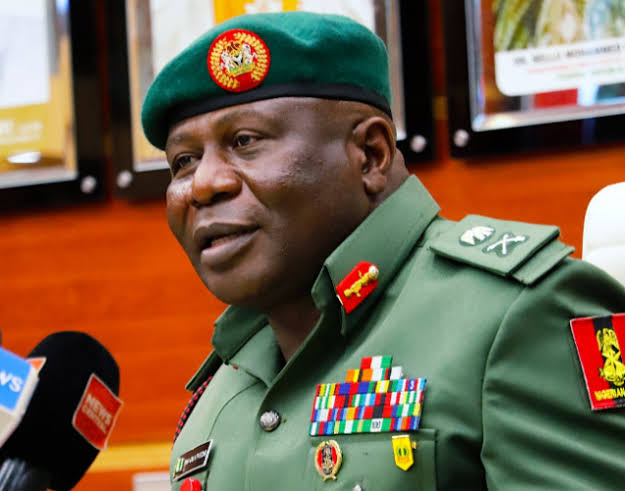
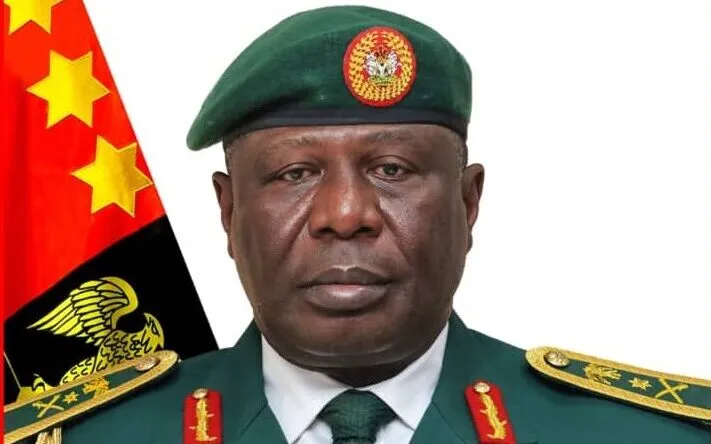
In a revealing statement issued Friday, the Director of Defence Information, Major-General Samaila Uba, pulled back the curtain on the precision strikes that rocked terrorist strongholds in the country’s volatile northwest. He described an operation that was “intelligence-driven and carefully planned,” authorized at the highest levels of both governments and designed to cripple ISIS’s operational backbone with surgical precision.
A Coordinated Show of Force Against a Foreign Foe
The mission, Uba stated, had a clear and chilling target: “identified foreign ISIS-linked fighters” attempting to carve out a new haven on Nigerian soil. This joint action, he emphasized, is a powerful signal of the Federal Government’s ironclad resolve—backed by key international allies—to “prevent foreign terrorist elements from gaining any foothold within our borders.”
The confirmation from Abuja aligns with statements from Washington. US Secretary of Defense Pete Hegseth acknowledged the collaboration with the Nigerian Army, while President Donald Trump had earlier announced targeted US strikes on terrorist hideouts in the region. This public alignment marks a significant and controversial escalation in the international fight against ISIS’s spreading franchise.
However, the revelation of this military partnership has ignited immediate and fierce backlash at home. Prominent activist and former presidential candidate Omoyele Sowore has launched a scathing condemnation, accusing the operation of being a blatant violation of Nigerian sovereignty. His criticism frames the US involvement not as assistance, but as an overreach and an encroachment, exposing the deep political fault lines the operation has triggered.
The DHQ’s statement is a direct counter to this narrative, framing the partnership not as a loss of control, but as a strategic necessity in a war against a borderless enemy. This public relations battle underscores the high-wire act of the mission: showcasing decisive military power to the world and terrorists, while managing the potent domestic politics of national sovereignty and foreign military presence on Nigerian soil.
One thing is now clear from the officials who planned it: this was no random strike. It was a calculated message, written in fire from the sky, intended for ISIS commanders and the world alike.