

The US Department of Justice has unsealed millions of pages from the Jeffrey Epstein case, promising transparency and closure for survivors. But instead of justice, the document dump has delivered a fresh wave of trauma, bureaucratic failure, and a growing conviction among victims that the full truth about a network of powerful enablers remains deliberately buried.
The latest tranche of three million documents, released on January 30, was immediately marred by a catastrophic failure: botched redactions that exposed the identities, nude images, and personal details of survivors who had fought for anonymity. The DOJ blamed “technical or human error,” but for those exposed, it was a devastating betrayal.
“I’m heartbroken for the girls whose information was released. It’s such a huge violation of one of the most terrible moments of their lives,” survivor Ashley Rubright told the BBC.
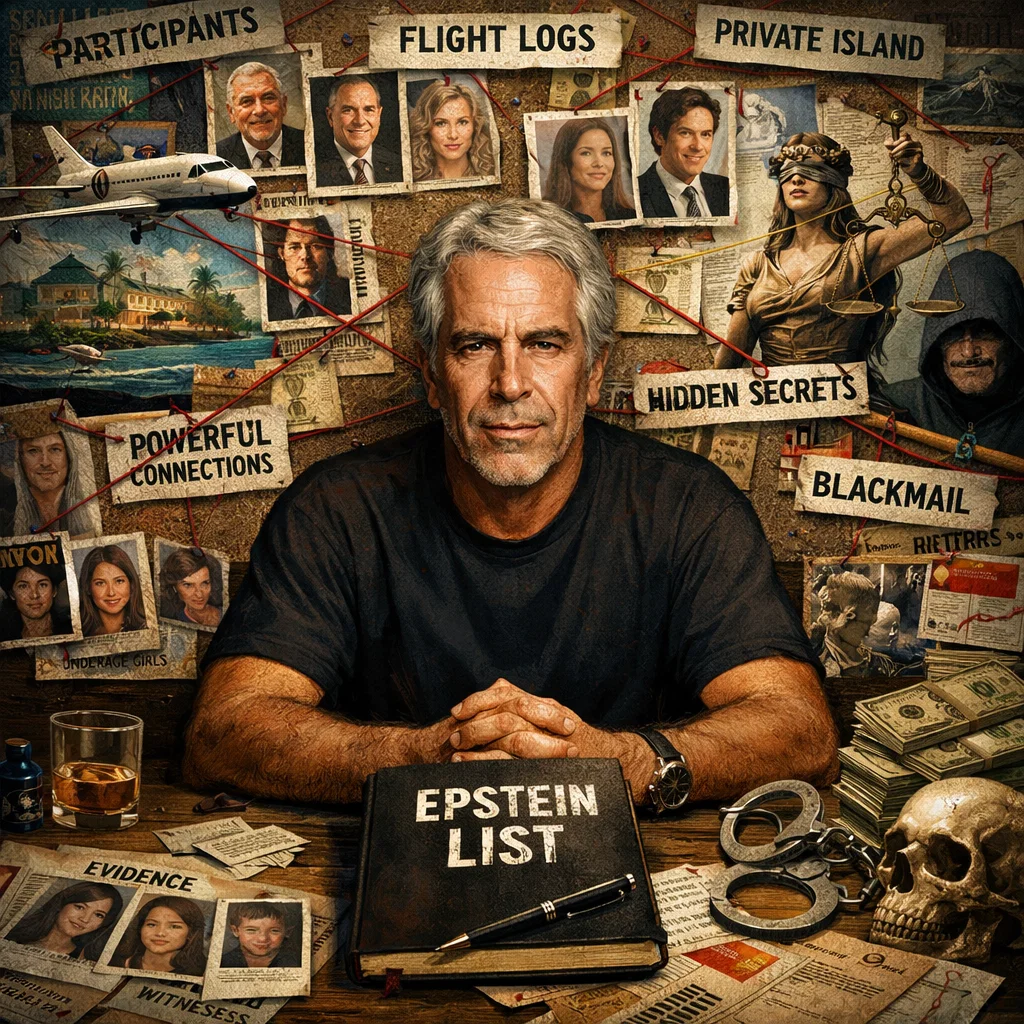
Going From Promised Closure to Re-Traumatization
What was meant to be a landmark disclosure has become a case study in institutional failure. The DOJ was forced to pull thousands of files from its website, but the damage was done. “It is hard to focus on the new information because of how much damage the DOJ has done by exposing survivors this way,” said survivor Annie Farmer.
Campaigners warn this blunder will have a chilling effect, deterring future victims of sexual violence from coming forward. “It creates a sense that if you come forward you will not be protected,” said Kim Villanueva, president of the National Organization for Women.
A “Spectacle” Without Accountability
Despite the sheer volume of paper, survivors see a vacuum of real consequences. With the government’s review concluded and no new prosecutions planned, the future is uncertain. Apart from Epstein—who died in jail—and his associate Ghislaine Maxwell, no one has been held criminally accountable for the trafficking ring.
The files have fueled public reckonings for figures like Prince Andrew and Lord Mandelson, but Villanueva calls these “a false sense that the system is working.” She argues the focus on celebrity names distracts from systemic rot. “These files are not a spectacle,” she said.
A Culture of Misogyny, Preserved in Ink
Scattered through the emails and memos is a relentless pattern of dehumanizing language that reduces women to body parts, ages, and nationalities—a “Tahitian” present, a “new Brazilian,” “22 no agency.” This “objectifying” language, used by Epstein and his circle of rich and powerful contacts, exposes the misogynistic worldview that enabled the abuse.
“The failure by the DOJ to protect survivors’ identities shows that misogyny still reigns in our society,” Villanueva said.
An Exhausting, Unchosen Fight for a Truth That Remains Elusive
For survivors, the pursuit of justice has become an exhausting public burden. “We didn’t choose this fight. But we weren’t able to heal in peace, so now we’re screaming in public,” said Rubright.
Jess Michaels, another survivor, told BBC Newsnight: “It can be really hard to keep going, but we know we’re trying to change things for the next generation.”
Millions of documents now sit in the public domain. Yet, for the women whose lives were shattered, the most important file—the one that leads to comprehensive accountability and proves the system can protect the vulnerable instead of the powerful—remains stubbornly hidden, redacted not by ink, but by a wall of impunity.