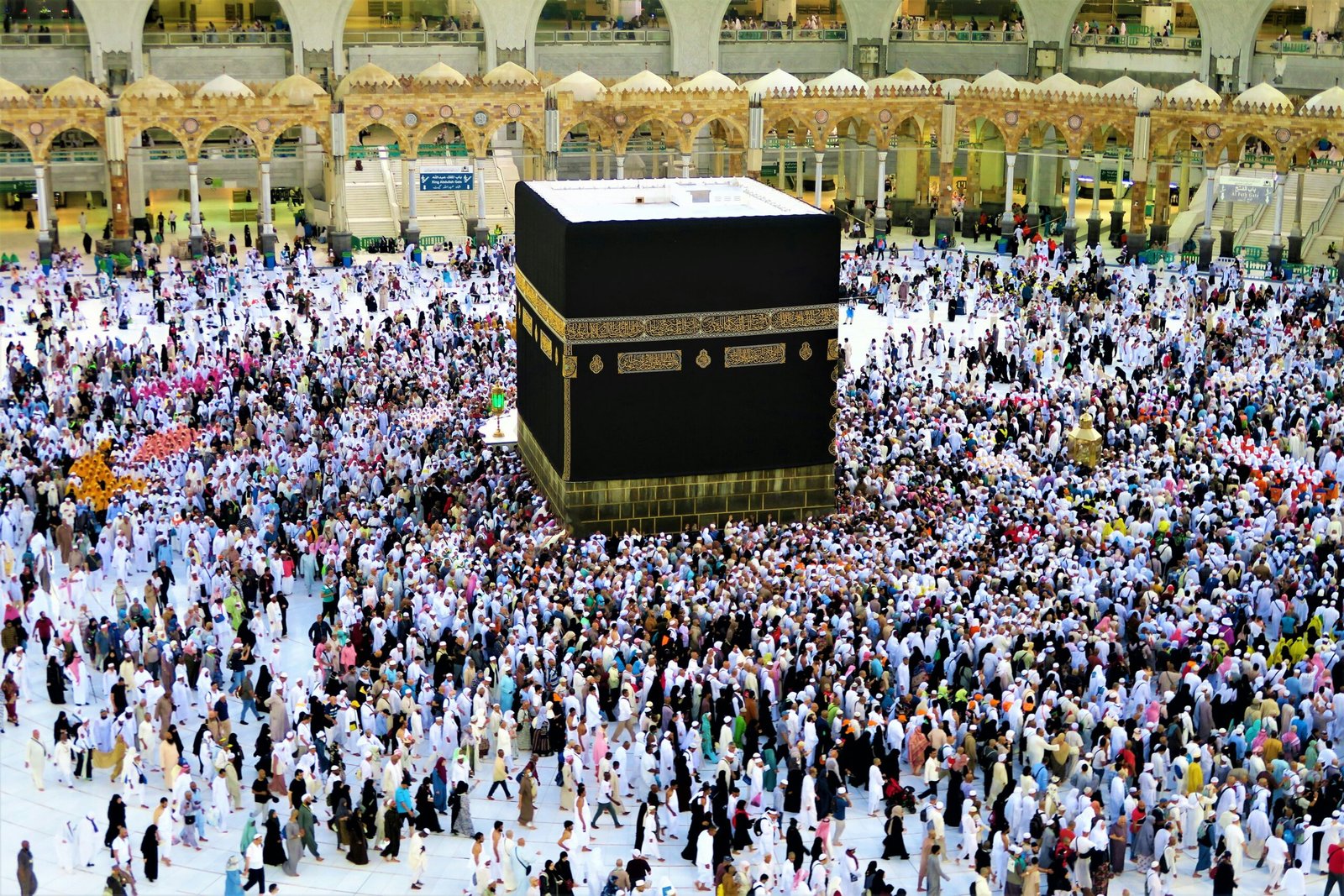

Nearly two million Muslims from across the world are set to begin the annual Hajj pilgrimage to Mecca following the sighting of the crescent moon in Saudi Arabia.
The Hajj, regarded as one of the largest religious gatherings globally, is a sacred obligation for Muslims and represents the fifth pillar of Islam alongside the declaration of faith, daily prayers, charity, and fasting during Ramadan.
The pilgrimage takes place every year during Dhul-Hijjah, the final month of the Islamic calendar, and in 2026 it is expected to run from May 25 to May 27, although many pilgrims arrive in Saudi Arabia weeks earlier for preparation.
The word “Hajj” comes from the Arabic root meaning “to intend a journey” or “to set out with purpose.” Muslims who are physically and financially capable are required to perform it at least once in their lifetime.
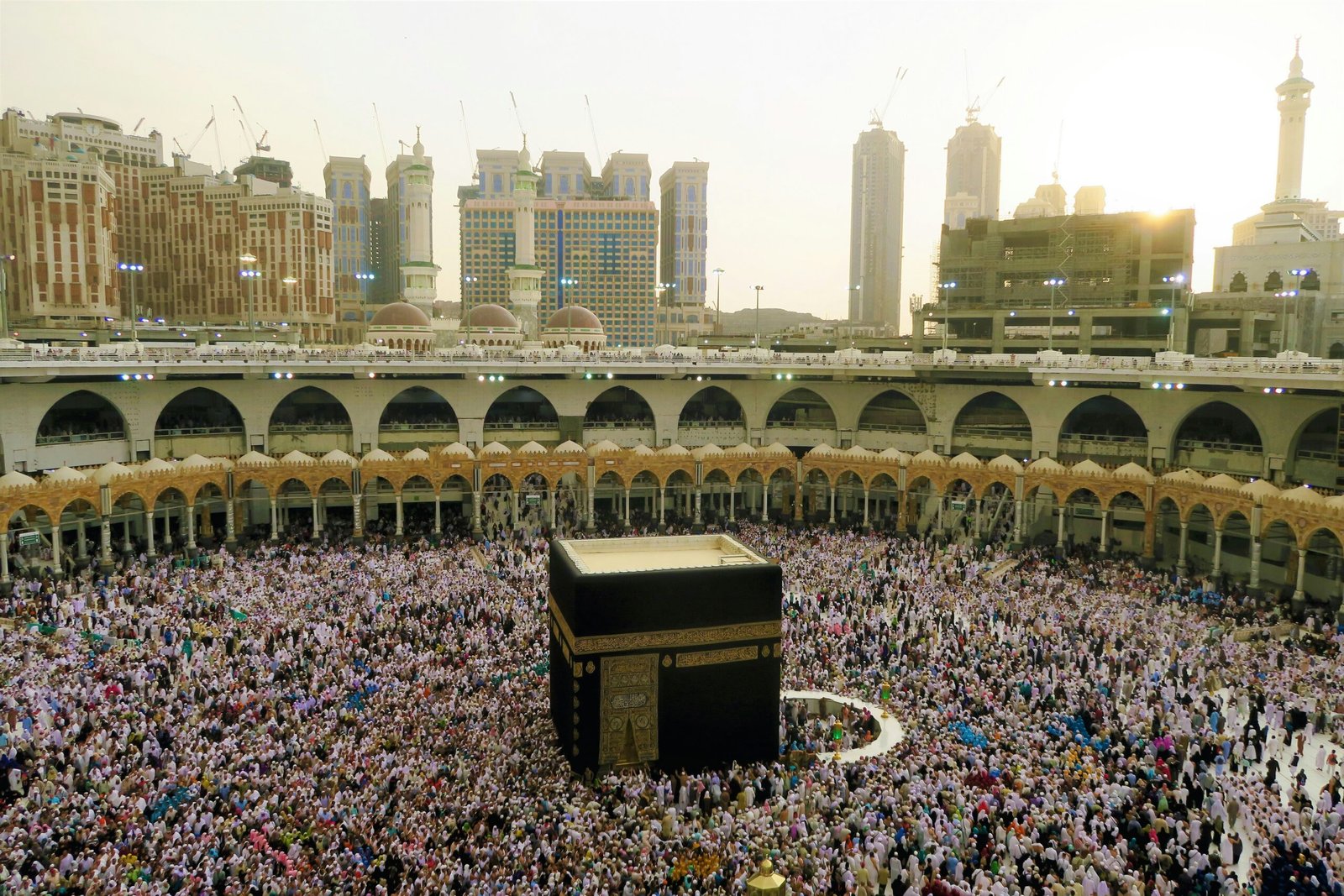
Muslims believe the pilgrimage is a divine command mentioned in the Quran and reinforced by the Prophet Muhammad’s farewell pilgrimage in 632 AD.
The spiritual journey is viewed as an opportunity for worshippers to seek forgiveness, renew their faith, and demonstrate complete submission to God.
Key Rituals Of Hajj
Pilgrims begin the journey by entering a sacred spiritual state known as ihram. Men wear two simple white garments, while women dress modestly, symbolising humility, equality, and unity before God.
After arriving in Mecca, pilgrims perform tawaf, circling the Kaaba seven times in a counterclockwise direction inside the Masjid al-Haram.
They also carry out sa’i, walking seven times between the hills of Safa and Marwa in remembrance of Hagar’s search for water for her son Ishmael before the emergence of the Zamzam well.
Pilgrims then travel to Mina, often called the “city of tents,” where they spend the night praying and reflecting.
One of the most important stages of the Hajj takes place at Mount Arafat, where pilgrims gather for prayers and repentance from noon until sunset. The ritual is considered the spiritual climax of the pilgrimage and symbolises the Day of Judgement.
After sunset, worshippers head to Muzdalifah, where they pray, rest under the open sky, and gather pebbles for the next ritual.
During Eid al-Adha celebrations, pilgrims return to Mina to perform the symbolic stoning of pillars representing Satan’s temptation. They also offer animal sacrifices in remembrance of Prophet Abraham’s willingness to sacrifice his son in obedience to God.
Male pilgrims then shave or trim their hair, while women cut a small portion of theirs as a sign of spiritual renewal.
Pilgrims conclude the rites with a farewell tawaf around the Kaaba before departing Mecca.
Eid al-Adha Marks End Of Pilgrimage
The completion of Hajj coincides with Eid al-Adha, one of Islam’s most significant celebrations.
The festival begins with special prayers and is marked by family gatherings, gift exchanges, and acts of charity. Muslims commonly greet one another with “Eid Mubarak,” meaning “Blessed Eid.”
As part of the celebration, many Muslims perform Qurbani, the ritual sacrifice of animals such as sheep, goats, cows, or camels, with the meat shared among family members, friends, and those in need.