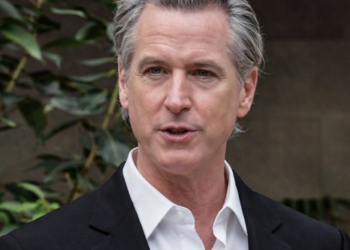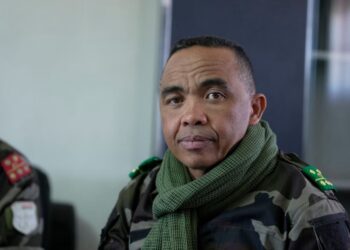

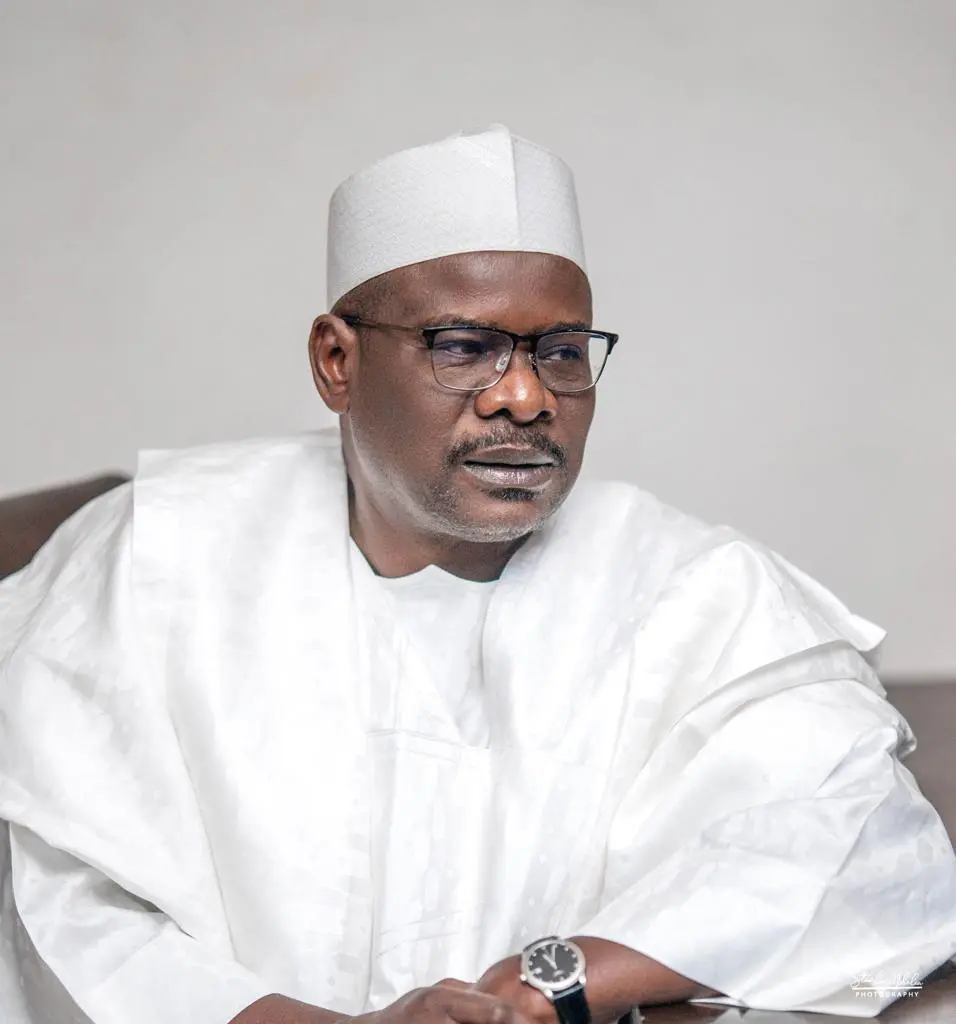
Senator Ali Ndume has urged the Federal Government to expand military operations with the United States into Nigeria’s North-East. The senator cited the persistent presence of Boko Haram and the Islamic State West Africa Province (ISWAP) as a major threat to the region. He welcomed the recent airstrikes in Sokoto State and argued that a broader campaign could significantly weaken these groups in their known strongholds, including Lake Chad, Mandara Mountain, and Sambisa Forest.
Support for Ground Operations
Ndume suggested that cooperation with the US should not be limited to airstrikes. He called for joint ground troops, intelligence sharing, logistics, and attack helicopter support to enhance the effectiveness of counterterrorism efforts. The senator believes that a sustained and comprehensive approach is necessary to dismantle entrenched insurgent networks and prevent further attacks on civilians.
Sympathy for Victims
Reacting to the recent suicide bombing at a mosque in Gamboru, Borno State, which left several dead and many injured, Ndume extended his condolences to the victims and their families. He emphasized that terrorist violence in Nigeria is indiscriminate and affects all citizens, regardless of religion. The attack illustrates that extremists are unconcerned with faith, targeting anyone in their path.
US-Nigeria Security Cooperation
The call for extended operations comes amid increased international attention following the US airstrike on suspected terrorist elements in Nigeria. The operation, conducted with Nigerian intelligence support and approval, represents part of ongoing security collaboration. While such actions are rare, they signal a willingness by the United States to engage directly in Nigeria’s fight against terrorism.
Challenges of Counterterrorism
Nigeria has faced prolonged insecurity for over a decade. Boko Haram and ISWAP insurgencies, along with widespread banditry, have caused thousands of deaths and displaced millions. While US assistance has included intelligence sharing, training, and military aid, critics caution that foreign intervention may bring political and social complications. Ndume, however, believes that expanding military support is critical to stabilizing the North-East and protecting vulnerable communities.
Accountability and Transparency
While commending President Bola Tinubu for allocating a record budget to the defence sector in 2026, Ndume stressed that funds must be used transparently and effectively. Strengthening the military’s operational capacity, along with international support, could enhance Nigeria’s ability to neutralize terrorist threats.
The debate over foreign involvement in domestic security continues. Some argue that US intervention could compromise Nigeria’s sovereignty or provoke backlash. Ndume, however, frames it as a necessary collaboration to confront a dire security situation that local forces alone may struggle to contain.
Bottom Line
Expanding US-Nigeria military cooperation into the North-East is a complex and sensitive proposal. Ndume’s call highlights the urgency of addressing terrorism while balancing national interests and public perception. As Boko Haram and ISWAP continue to pose threats, the question remains: can foreign support and Nigerian leadership work together effectively to bring lasting peace to the region?