
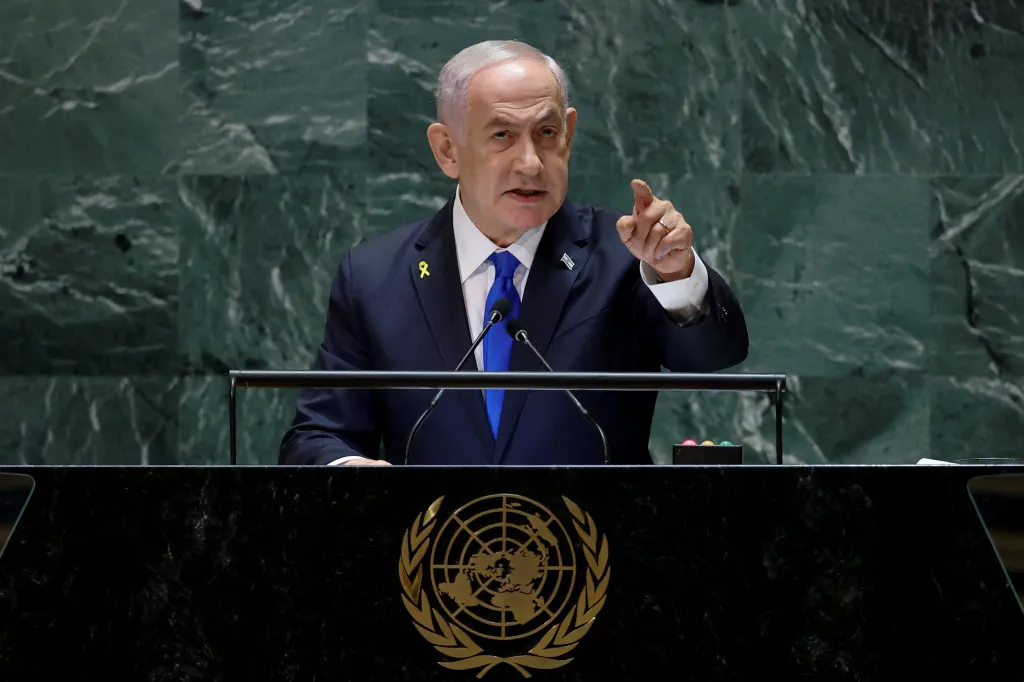
Israeli politics is facing another storm as Benjamin Netanyahu made it clear that even a presidential pardon would not end his political career. The prime minister’s stance shows his determination to maintain influence despite the long-running corruption trial hanging over him.
Netanyahu’s Stand
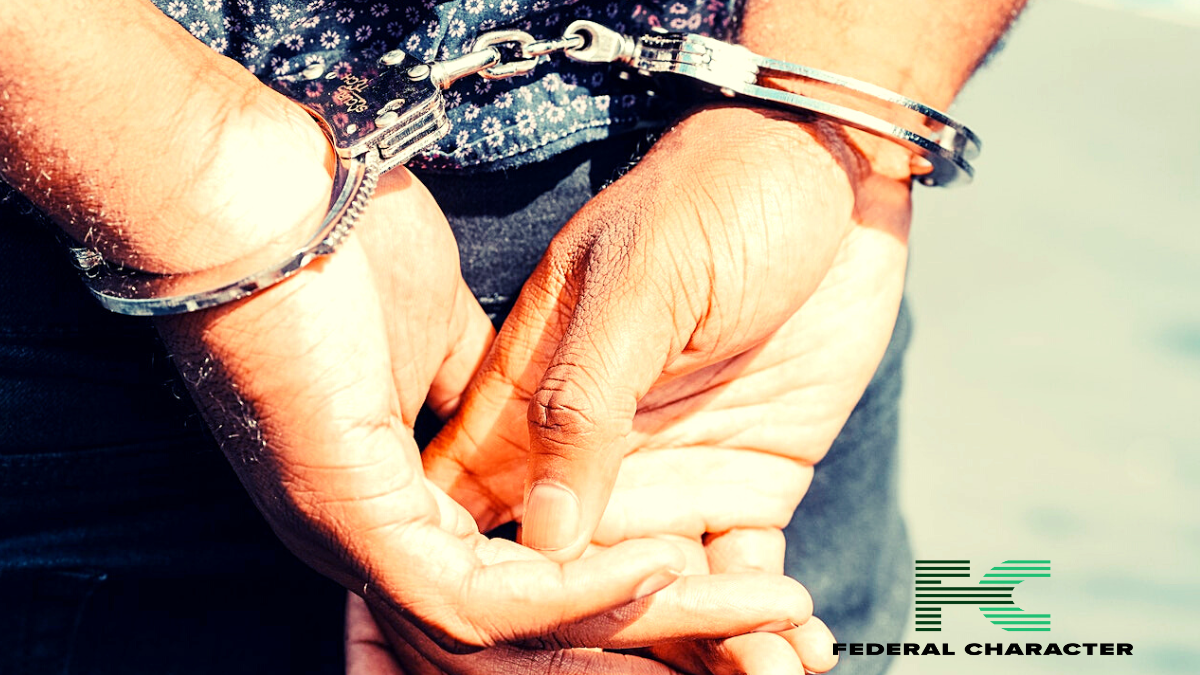
Netanyahu has spent years navigating legal challenges, facing allegations of bribery, fraud, and breach of trust. While he has consistently denied any wrongdoing, the trials have consumed much of his attention and energy. By refusing to step down even if pardoned, Netanyahu signals that political power and personal ambition outweigh the potential relief a legal pardon could provide. It also suggests that he sees himself as indispensable to his party and the broader right-wing movement in Israel.
The Pardon Request
Last month, Netanyahu formally asked President Isaac Herzog for a pardon, arguing that frequent court appearances are hampering his ability to govern effectively. While pardons in Israel usually come after a conviction, his legal team pushed for an unprecedented mid-trial pardon, claiming it would benefit the nation by allowing the prime minister to focus entirely on governance. The request has sparked intense debate over legal norms and the proper separation of powers in Israel’s political system.
Political Reactions
The prime minister’s announcement has already shaken opposition parties. Some insist that any pardon should be conditional on Netanyahu’s retirement from politics or a full admission of guilt. Others believe that elections, scheduled for October 2026, should take place first, so that the public can decide their political fate. Meanwhile, Netanyahu’s supporters argue that the prime minister’s experience and leadership are crucial for navigating Israel through regional tensions and domestic challenges.
U.S. Influence
Interestingly, former U.S. President Donald Trump weighed in before the pardon request, writing to President Herzog to advocate for clemency. While such external pressure may carry symbolic weight, it also fuels criticism that Netanyahu’s political maneuvering is influenced by international actors, raising questions about sovereignty and national interest.
Implications for Israel
Allowing Netanyahu to remain active even if pardoned sets a potentially troubling precedent. It blurs the line between legal accountability and political power, signaling to politicians that they may avoid consequences while continuing to wield influence. This could erode public trust in democratic institutions and deepen political polarization. On the other hand, Netanyahu’s stance might energize his base, solidifying support among right-wing voters who see him as a strong leader navigating a complex political landscape.
Governance Challenges
Even with a pardon, Netanyahu’s ability to govern effectively is not guaranteed. The ongoing scrutiny, opposition pressure, and social tension surrounding his legal and political actions could continue to consume government resources and focus. Furthermore, rival parties are likely to use this situation to rally public opinion against perceived favoritism and injustice in the political system.
Looking Ahead
As Israel heads toward the October 2026 elections, Netanyahu’s refusal to quit politics ensures that he will remain a central figure. How this will impact the country’s political stability and public perception of leadership remains uncertain. The prime minister is determined to maintain his influence, no matter what legal reprieve may come his way.