
In a humiliating diplomatic climbdown, Nigeria has issued a formal apology to Burkina Faso after a “regrettable” and “unfriendly” incident in which a Nigerian military jet’s unauthorised entry into Burkinabè airspace led to the detention of 11 Nigerian servicemen, nearly triggering a military confrontation in the volatile Sahel.
The crisis began when the Nigerian Air Force C-130 aircraft, en route to Portugal, developed what Nigeria claims was a technical problem, forcing it to land in Burkina Faso without clearance. The junta-led Alliance of Sahel States (AES)—comprising Burkina Faso, Mali, and Niger—responded with fury, declaring the landing an “unfriendly act” and placing their combined air forces on “maximum alert,” authorising them to “neutralise any aircraft” violating their airspace.
A Mission of Contrition in Ouagadougou
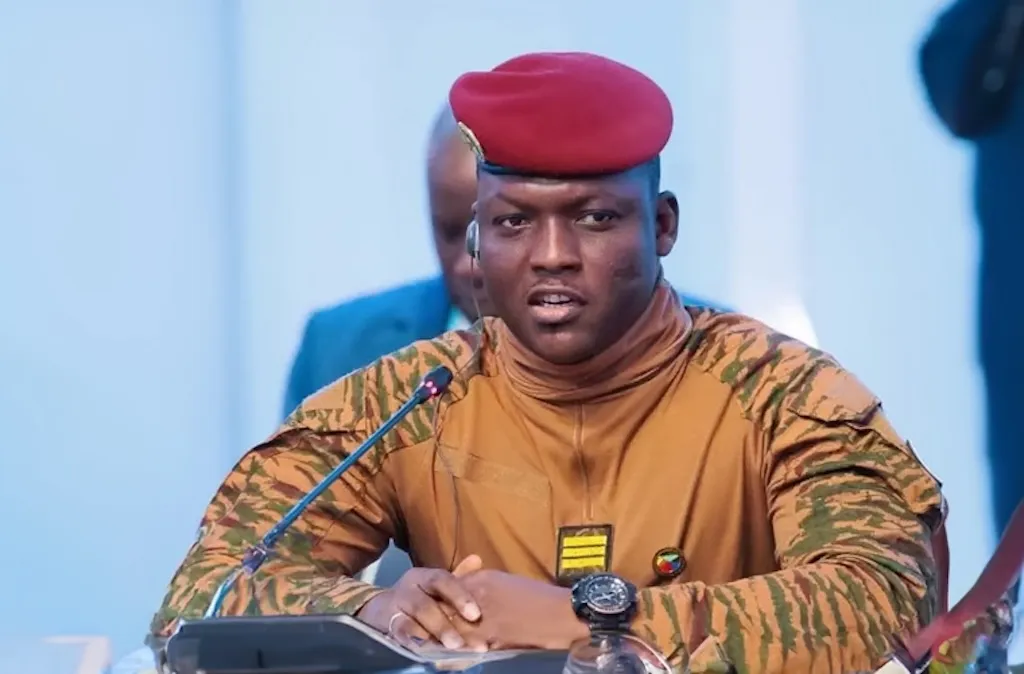
To defuse the standoff, Nigerian Foreign Minister Yusuf Tuggar led an emergency delegation to Ouagadougou to meet with Burkina Faso’s military leader, Captain Ibrahim Traoré. In a televised statement, Tuggar conceded, “There were irregularities concerning the overflight authorisations, which were regrettable, and we apologise for this unfortunate incident.”
While Tuggar’s spokesperson confirmed the 11 detained personnel had been released and were “in high spirits,” key questions remain shrouded in secrecy. It is still unclear exactly when the soldiers and the aircraft will return to Nigeria, and the nature of the “technical problem” that forced the landing has not been disclosed.
The Bigger Picture: A Sahel Split on Full Display
The incident is a microcosm of the deep geopolitical rift fracturing West Africa. The three AES states—all ruled by military juntas that have expelled French forces and moved closer to Russia—have withdrawn from the Western-aligned regional bloc, ECOWAS. Nigeria, ECOWAS’s traditional heavyweight and a key Western ally, now finds itself navigating a new, hostile security architecture on its northern flank.
The jet’s unauthorised flight into this tense bloc was seen not as an accident, but as a provocation. Nigeria’s swift apology and diplomatic mission underscore its desperate need to prevent a minor incident from exploding into a major conflict with a Russian-aligned military alliance.
Why It Matters
The official story of a simple “technical problem” rings hollow in a region defined by mutual suspicion and shadow wars. The unanswered questions fuel speculation: Was this a genuine emergency, or was the aircraft on an intelligence-gathering mission? Why was authorisation not sought or granted for a military flight over such sensitive territory?
Nigeria’s apology may have secured the release of its men, but it has also exposed its vulnerability. The incident proves that the AES junta bloc is willing and able to enforce its sovereignty with a threat of lethal force, and that Africa’s most populous nation must now tread carefully in a Sahel that is no longer its backyard, but a potential battlefield.