
Norway is facing a storm of questions after the latest release of the Jeffrey Epstein files showed that some of its top politicians, diplomats, and even royalty had connections with the late U.S. sex offender. Prime Minister Jonas Gahr Stoere spoke for the first time extensively on Friday, emphasizing that all links must be investigated fully and transparently.
The revelations have shocked many Norwegians. Millions of documents indicate that prominent figures had extensive contact with Epstein, raising serious concerns about judgment, ethics, and accountability at the highest levels of power. Stoere made it clear that, regardless of rank or reputation, no one should be exempt from scrutiny.
A Shock to Public Trust
“I think it has been quite shocking for people to get this insight into this world and the connection between people with power. And how it has affected people without power, who have been abused and subjected to assault,” Stoere told the public broadcaster NRK.
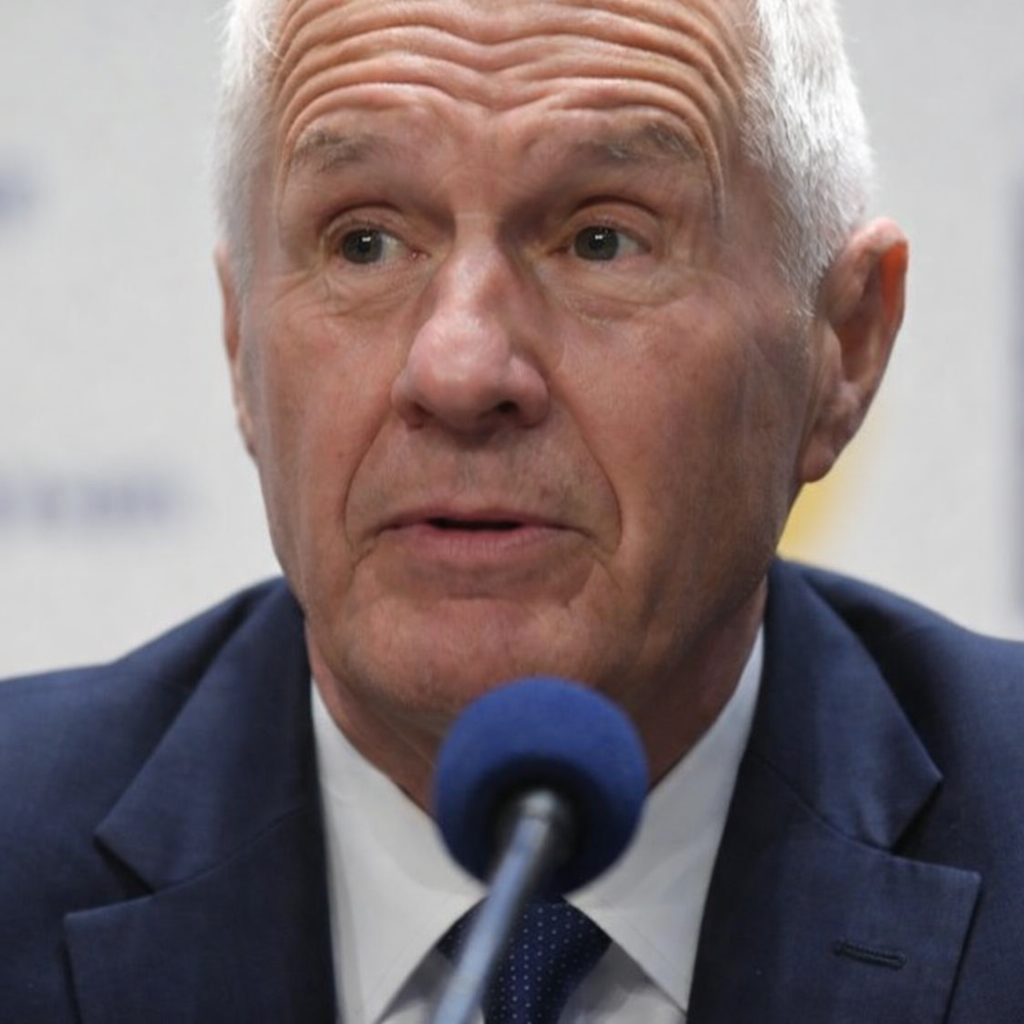
Norwegians have struggled to process the idea that diplomats, politicians, and even members of the royal family could be linked to Epstein, even if they deny involvement in his crimes. The PM stressed that restoring trust requires clarity and full accountability.
External Inquiry Launched
In response to the revelations, Norway’s parliament has announced a rare external inquiry into the foreign ministry’s connection to Epstein. Meanwhile, police investigations have begun into several prominent individuals, including a former prime minister and a diplomatic couple.
The World Economic Forum has also launched an independent review of its Norwegian CEO following reports of communications with Epstein. These measures signal that both political and corporate sectors are under scrutiny.
Royals Under the Spotlight
Even the royal family has not escaped attention. Crown Princess Mette-Marit issued a public apology for her friendship with Epstein. Several organizations that previously collaborated with her, including the Norwegian Library Association, have paused their work until a full account of her involvement is provided.
“This is about democracy, trust, and safety,” the association said, reflecting the broader public concern that elite privilege should not shield anyone from accountability.
Police Investigations Intensify
Police searches and questioning have targeted Thorbjoern Jagland, a former prime minister and head of the Norwegian Nobel Committee, and Mona Juul, a diplomat known for her role in the Oslo Accords. Both have been questioned on suspicion of aggravated corruption, although both deny wrongdoing.
Authorities have made it clear that the investigations will take time and aim to be comprehensive. “As prime minister, I have a responsibility to speak clearly about this and that we, in every way now, contribute to the matter being clarified,” Stoere said.
Balancing Transparency and Reputation
The Norwegian government faces a delicate challenge: it must uphold the rule of law and maintain public confidence while protecting institutions from premature reputational damage. Every step, from parliamentary inquiries to police questioning, sends a signal about Norway’s willingness to confront uncomfortable truths.
For the public, the questions are clear: How deep did these relationships go? Who else may be implicated? Can transparency be ensured, or will some ties remain hidden under layers of privilege?
Accountability Cannot Wait
Stoere’s firm stance shows that Norway is trying to address public concerns head-on. Transparency, investigation, and accountability are now the watchwords, even if uncomfortable truths emerge about the country’s elites.
The Epstein files are more than old documents; they are a test of Norway’s institutions and the principle that no one, not even royalty or former heads of government, is above scrutiny. As investigations unfold, all eyes in Norway will remain on those in power, demanding answers.