
President Donald Trump issued his starkest ultimatum yet to Tehran on Monday, warning that unless the Strait of Hormuz is “immediately ‘Open for Business'” and a deal is reached, the United States will “completely obliterate” Iran’s oil wells, power plants, and the critical Kharg Island export hub.
“Great progress has been made but, if for any reason a deal is not shortly reached, which it probably will be, and if the Hormuz Strait is not immediately ‘Open for Business,’ we will conclude our lovely ‘stay’ in Iran by blowing up and completely obliterating all of their Electric Generating Plants, Oil Wells and Kharg Island,” Trump wrote in a Truth Social post.
He added that desalination plants supplying clean water would also be targeted.
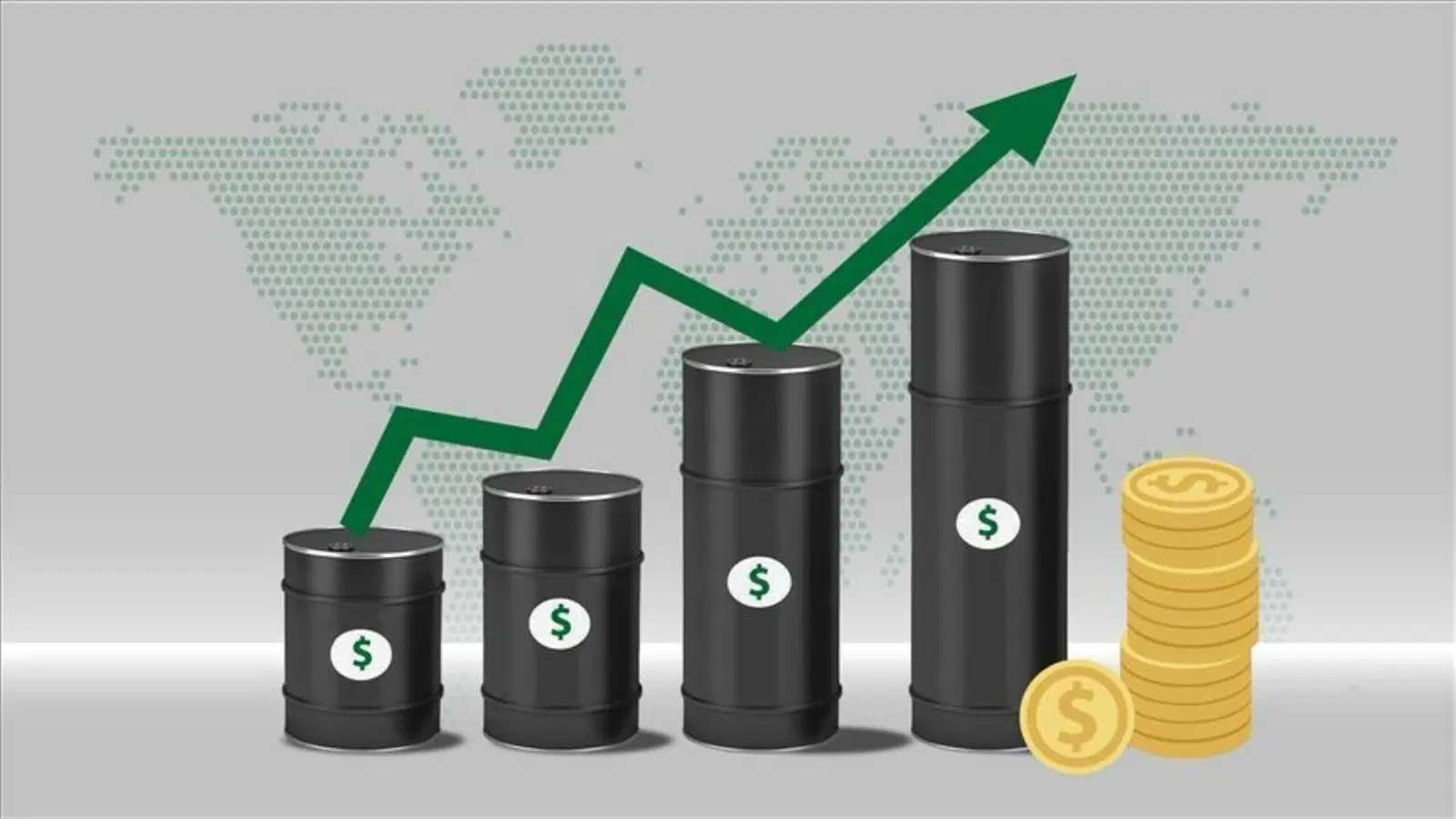
The threat sent global oil prices soaring. Brent crude crossed $116 a barrel Monday, up more than 4% on the day, as traders priced in the risk of a direct US strike on Iran’s energy infrastructure.
The 10-Day Pause
Trump’s latest warning comes as a self-imposed deadline approaches. The president said last week he would pause attacks on Iran’s energy plants for 10 days, a window that expires April 6.
The pause was intended to allow for negotiations. But while Trump has said “great progress” is being made, Iranian officials have publicly denied being in direct talks with the United States.
Iran’s parliament speaker, Mohammad Bagher Ghalibaf, accused Washington of sending contradictory signals: offering negotiations while simultaneously moving more US troops into the region. “They speak of talks while preparing the ground for a ground invasion,” Ghalibaf said, adding that such threats only hardened Tehran’s resolve.
The Strategic Target
Kharg Island, the facility Trump singled out for obliteration, is Iran’s main oil export terminal, handling roughly 90% of the country’s crude shipments. A strike there would cripple Iran’s ability to export oil, cutting off a lifeline that has kept the regime afloat amid years of sanctions.
Trump’s threat to destroy desalination plants is a significant escalation. Iran’s water infrastructure has been increasingly strained by drought and mismanagement, and strikes on such facilities would have immediate humanitarian consequences, affecting millions of Iranians.
The Strait’s Significance
The Strait of Hormuz is the world’s most critical oil chokepoint. Approximately 20% of all oil consumed globally passes through the narrow waterway separating Iran from the Arabian Peninsula. Iran has repeatedly threatened to close the Strait in response to pressure, a move that would send oil prices skyrocketing and disrupt global energy markets.
Trump’s demand that the strait be “Open for Business” suggests he views its free passage as non-negotiable. But the US military has the capability to enforce that demand without Iranian cooperation. The question is whether the president’s threats are intended to force Tehran’s hand at the negotiating table, or to prepare the ground for strikes if talks fail.
The Negotiation Gap
Despite Trump’s claims of progress, there is a fundamental mismatch in what the two sides are saying publicly. The White House has described “backchannel talks” facilitated by Pakistani intermediaries, but Iran has dismissed reports of direct engagement.
“The Americans are spreading propaganda. There are no direct negotiations between Iran and the United States,” Iranian Foreign Ministry spokesman Nasser Kanaani said Sunday.
Iran’s Supreme Leader Ayatollah Ali Khamenei was assassinated by US and Israeli forces on February 28, but the clerical establishment has survived. Whether a successor regime exists that can deliver on any agreement remains an open question.
What Comes Next
The April 6 deadline is now a week away. Trump has said he expects a deal “shortly.” Iran has not confirmed any deal is in the works.
For now, the Strait of Hormuz remains open, but Iranian naval forces have increased patrols. US warships are in the region. And Trump has made clear that if the Strait closes, or if a deal is not reached, his “lovely stay” will end with bombs.
Oil traders are watching the clock. Iranians are watching their water supplies. And the world is waiting to see whether the president’s threats are diplomacy by other means—or a prelude to war.