
The fragile peace that held between Pakistan and Afghanistan for four months has shattered. Overnight Thursday, Pakistani warplanes struck targets in Kabul, Kandahar, and Paktia. By Friday morning, both sides were counting their dead and calling it what it is: open war.
“Our patience has now run out. Now it is open war between us,” Pakistan’s Defence Minister Khawaja Mohammad Asif told reporters in Islamabad.
The air and ground strikes hit Taliban military posts, headquarters, and ammunition depots in multiple sectors along the border, Pakistani and Afghan officials confirmed. They came in retaliation for what Islamabad says was an Afghan attack on Pakistani border forces — the latest escalation in a conflict that has been simmering since a Turkish-brokered ceasefire collapsed earlier this year.
Both sides reported heavy losses. Neither has released official casualty figures.
Why They’re Fighting
Pakistan welcomed the Taliban’s return to power in Afghanistan in 2021, with then-Prime Minister Imran Khan celebrating that Afghans had “broken the shackles of slavery.” But the relationship soured quickly.
Islamabad’s central complaint is that the Taliban government harbors the leadership and fighters of the Tehreek-e-Taliban Pakistan (TTP) — a separate militant group that targets Pakistani security forces from safe havens across the border. Pakistan also accuses Afghanistan of sheltering Baloch insurgents seeking independence for the southwestern province of Balochistan.
Militancy has increased every year since 2022, with attacks by the TTP and Baloch groups growing steadily, according to Armed Conflict Location & Event Data, a global monitoring organization.
Kabul denies the charges. The Afghan Taliban say they do not allow militants to use Afghan territory to launch attacks in Pakistan. They also accuse Pakistan of harboring fighters from their enemy, the Islamic State — a charge Islamabad denies.
The fragile ceasefire brokered by Turkey, Qatar, and Saudi Arabia in October lasted only months. Since then, repeated clashes and border closures have disrupted trade and movement along the rugged frontier.
What Sparked This Round
The latest escalation began last weekend, when Pakistan launched airstrikes on militant targets in Afghanistan. Those strikes were triggered, Pakistani security sources say, by “irrefutable evidence” that militants in Afghanistan were behind a wave of attacks and suicide bombings targeting Pakistani military and police.
The sources listed seven planned or successful attacks by militants since late 2024 that they said were connected to Afghanistan.
One attack last week that killed 11 security personnel and two civilians in Bajaur district was carried out by an Afghan national, according to Pakistani security sources. The TTP claimed responsibility.
Thursday’s strikes were the most extensive yet — hitting major Afghan cities, not just border regions.
The Pakistani Taliban
The TTP, commonly known as the Pakistani Taliban, was formed in 2007 by several militant outfits active in northwest Pakistan. It has attacked markets, mosques, airports, military bases, and police stations, and at times gained territory along the Afghan border and deep inside Pakistan, including the Swat Valley.
The group was behind the 2012 attack on then-schoolgirl Malala Yousafzai, who received the Nobel Peace Prize two years later.
The TTP fought alongside the Afghan Taliban against U.S.-led forces in Afghanistan and hosted Afghan fighters in Pakistan. Pakistan has launched military operations against the TTP on its own soil with limited success, although an offensive that ended in 2016 drastically reduced attacks until a few years ago.
What Happens Next
Pakistan is likely to intensify its military campaign, analysts say. Kabul’s retaliation could come in the form of raids on border posts and more cross-border guerrilla attacks targeting security forces.
On paper, the military balance is overwhelmingly lopsided.
The Taliban have roughly 172,000 personnel — less than a third of Pakistan’s active-duty forces. They possess at least six aircraft and 23 helicopters, but their condition is unknown, and they have no fighter jets or an effective Air Force.
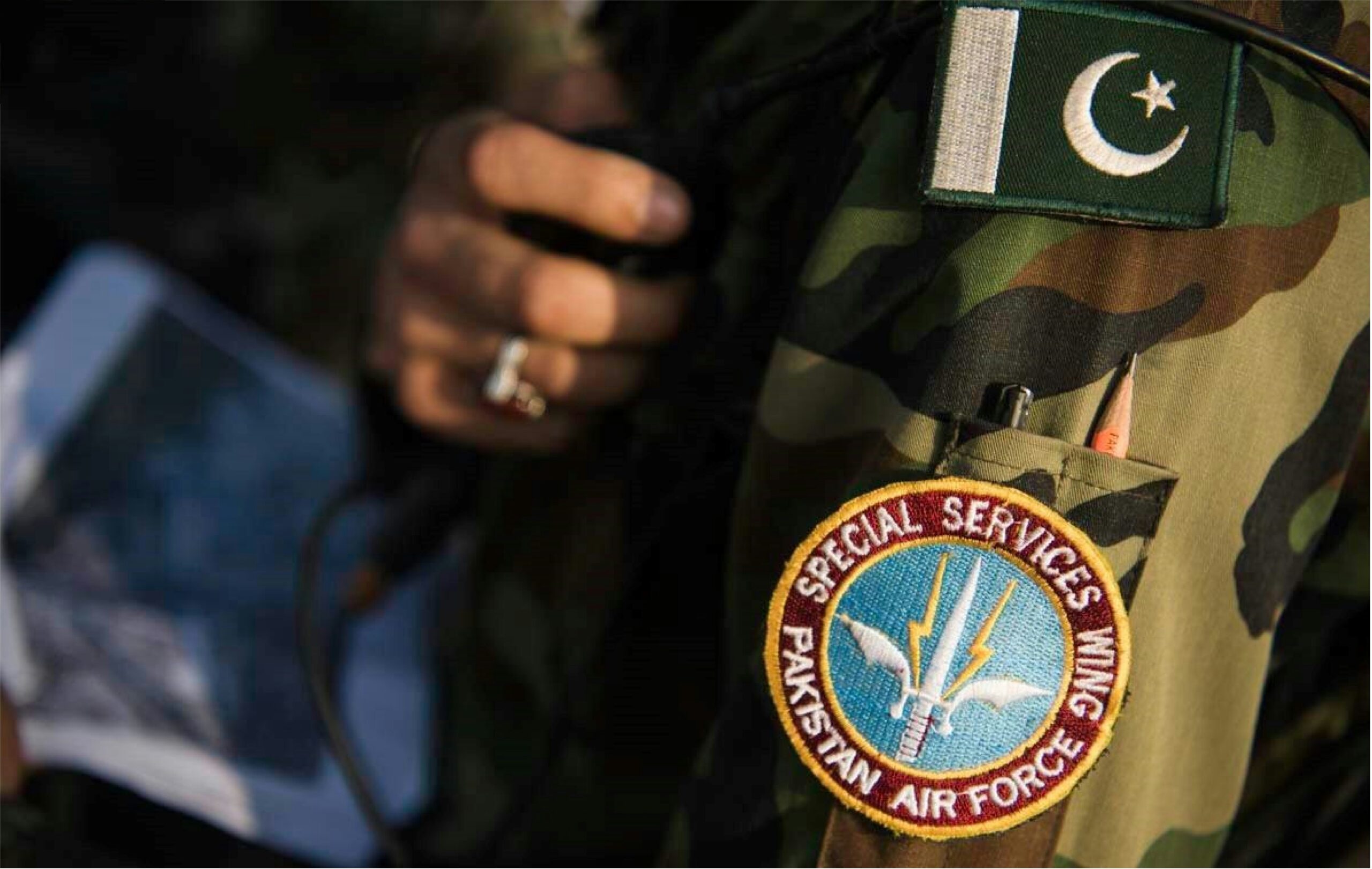
Pakistan’s armed forces include more than 600,000 active personnel, more than 6,000 armored fighting vehicles, and more than 400 combat aircraft, according to 2025 data from the International Institute for Strategic Studies. The country is also nuclear-armed.
But guerrilla warfare does not respect paper advantages. The TTP has proven adept at cross-border attacks, melting back into Afghanistan’s rugged terrain after striking. And the Taliban government, whatever its military limitations, controls the territory from which those attacks are launched.
The Stakes
For Pakistan, the conflict is existential. A safe haven for anti-Pakistan militants across the border threatens the country’s stability and its ability to control its own territory.
For Afghanistan’s Taliban government, the conflict is about sovereignty and credibility. Allowing Pakistan to strike inside Afghan territory with impunity undermines its claim to control the country.
For the region, the breakdown of the October ceasefire raises the specter of a wider war — one that could draw in other powers and destabilize an already volatile corner of the world.
For now, the fighting continues. Pakistan says it will not stop until the threat is eliminated. Afghanistan says it will defend its territory. And the people living along the border — who have known little but conflict for generations — wait to see which side blinks first.