• Home
  • News
  • Entertainment
  • Tech
  • Fashion & Lifestyle
  • Food & Nutrition
  • Health
Federal Character
No Result
View All Result
Federal Character
  • Home
  • News
  • Entertainment
  • Tech
  • Fashion & Lifestyle
  • Food & Nutrition
  • Health
No Result
View All Result
Federal Character
No Result
View All Result
Polycystic Kidney Disease: Types, Symptoms, Complications, and Causes

Polycystic Kidney Disease: Types, Symptoms, Complications, and Causes

Christabel EgbeamabyChristabel Egbeama
2 years ago
in Health
Reading Time: 3 mins read
A A
0
Facebook ShareWhatsapp ShareX Share

Affecting about 1in 500 to 1000 people around the world, polycystic kidney disease is one of the most common inherited diseases. Many people with this condition end up having chronic kidney disease and high blood pressure.

Polycystic kidney disease is a genetic condition where lots of fluid-filled sacs called cysts, grow in the kidneys. Over time, these cysts can grow bigger, making the kidneys swell and lose their ability to work. In this article, we’re going to learn about the types, symptoms, and progression of polycystic kidney disease.
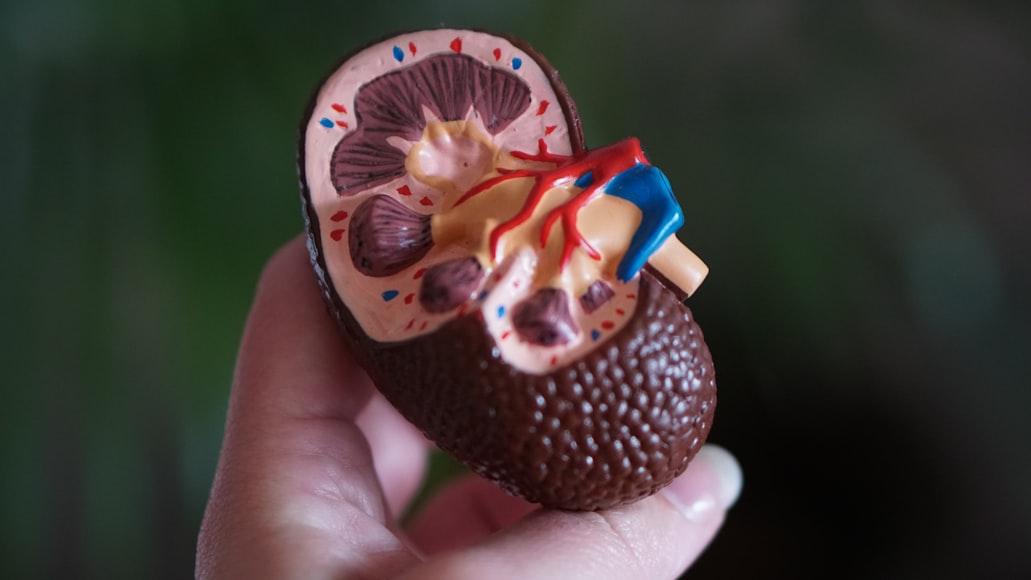
Photo by Robina Weermeijer

Table of Contents

Toggle
  • Types of Polycystic Kidney Disease
  • Symptoms and Progression of Polycystic Kidney Disease (PKD)
    • Progression of the Disease
  • Complications of Polycystic Kidney Disease
  • Causes of Polycystic Kidney Disease
  • Summary

Types of Polycystic Kidney Disease

Autosomal Dominant Polycystic Kidney Disease (ADPKD): ADPKD is the most common type of polycystic kidney disease which usually shows up in adults. It only takes inheriting one copy of the faulty gene from one parent to develop it.

Autosomal Recessive Polycystic Kidney Disease (ARPKD): This type is less common and usually occurs in babies or young children. For a child to have ARPKD, it simply means that both parents passed down the faulty gene to them.

Symptoms and Progression of Polycystic Kidney Disease (PKD)

When someone first starts having symptoms as it relates to polycystic kidney disease, they’ll notice

  • Pain on the side or just below the ribs
  • Heavy sensation in the belly
  • Blood in the urine
Progression of the Disease

As PKD gets worse, it causes:

  • Kidney enlargement
  • Kidney failure

Complications of Polycystic Kidney Disease

Just like any other disease, a polycystic kidney can also cause other issues. The first is high blood pressure because enlarged kidneys can interfere with how blood flows through them. Asides high blood pressure, PKD also makes it easier to develop kidney stones because they change how the kidneys filter and process minerals and waste. Finally, PKD doesn’t just affect the kidney, it can also cause cysts in neighboring organs. That’s because the same genetic factors that led to kidney cysts can also lead to liver cysts.

Causes of Polycystic Kidney Disease

Polycystic kidney disease is mainly caused by changes called mutations in specific genes. The two main genes involved are PKD1 and PKD2. If there is a mutation in the PKD1 gene, which happens in the more common form called autosomal dominant polycystic kidney disease, the disease usually gets worse faster. But if the mutation is in the PKD2 genes, the disease tends to be milder and shows up later on in life.

PKD can be passed down in different ways depending on the type. For autosomal dominant polycystic kidney disease, it’s a 50% chance that the gene will be passed down to the child if one parent has a mutated gene. So if the mom or the dad has it, there’s a 50% chance that the child would have the faulty gene.

On the other hand, autosomal recessive polycystic kidney disease can be passed down to the child if both parents carry the mutated gene. There is a 25% chance that a child would actually have the disease, a 50% chance that they’ll be like their parents, and a 25% chance that they wouldn’t have it at all.

Summary

Polycystic kidney disease (PKD) is a common inherited disease that affects about 1 in 500 to 1,000 people. It causes fluid-filled cysts to grow in the kidneys, which can lead to kidney failure and high blood pressure. There are two main types: Autosomal Dominant PKD (ADPKD), which shows up in adults, and Autosomal Recessive PKD (ARPKD), which usually affects babies or young kids. Symptoms include flank pain, a heavy belly, and blood in the urine. PKD can also lead to complications like kidney stones and cysts in the liver.


Tags: and Causescomplicationsfederal characterhealthPolycystic Kidney Disease: Typessymptoms
Share234SendTweet146
Christabel Egbeama

Christabel Egbeama

Christabel Egbeama is a health writer and aspiring consultant engineer who recently completed her bachelor's degree in civil engineering. Her passion for safety in the construction industry led her to delve into public health writing. Having undergone training in health, safety, and environment, Christabel has established a foundation rich in comprehending the broader spectrum of health and its benefits for individuals across various ages and professions. She now produces compelling holistic health articles aimed at guiding individuals towards informed decisions for a healthier tomorrow, encouraging lifestyle modifications.

Related Stories

Deadly Outbreak Spreads in Plateau – Officials Confirm New Wave of Lassa Fever Illness

Deadly Outbreak Spreads in Plateau – Officials Confirm New Wave of Lassa Fever Illness

bySomto Nwanolue
0

Plateau State is grappling with a rapidly expanding outbreak of Lassa Fever, a deadly viral haemorrhagic disease, with health officials confirming 11 new cases and four deaths across...

Why Health Officials Are Begging Parents Not to Give Their Kids Raw Milk

Why Health Officials Are Begging Parents Not to Give Their Kids Raw Milk

bySomto Nwanolue
0

Health officials are issuing desperate pleas to parents following the tragic death of a newborn from a listeria infection, a case they have directly linked to the dangerous...

The Nipah Virus Spreading in India Has the WHO on Edge

The Nipah Virus Spreading in India Has the WHO on Edge

bySomto Nwanolue
0

An outbreak of the deadly Nipah virus in India has triggered a coordinated international monitoring effort, with health authorities across three continents issuing warnings and activating border controls...

The Next Pandemic? How a Deadly Virus Outbreak in India Is Spreading Panic at Airports

The Next Pandemic? How a Deadly Virus Outbreak in India Is Spreading Panic at Airports

bySomto Nwanolue
0

A deadly outbreak of the Nipah virus in India has triggered a wave of anxiety across Asia, prompting neighboring countries to enact emergency airport screenings in a desperate...

Next Post
Polycystic Kidney Disease: Types, Symptoms, Complications, and Causes

Top 6 Treatment For Polycystic Kidney Disease

Leave a Reply Cancel reply

Your email address will not be published. Required fields are marked *

We bring to you precise and factual news

Recent Posts

  • Naira Stays Flat as Dollar, Euro and Pound Keep Control of Market
  • Kano Govt Caught Distributing Underwear to Women — Is This Really About 2027?
  • The US Just Took Its Iran Blockade Global. Here’s What That Means

Categories

  • Business & Finance
  • Entertainment
  • Fashion & Lifestyle
  • Food & Nutrition
  • Government
  • Health
  • News
  • Politics
  • Sports
  • Tech

Weekly Newsletter

  • About
  • Advertise With Us
  • Cookie Policy

Copyright © FederalCharacter.com 2026 .

Welcome Back!

Login to your account below

Forgotten Password?

Retrieve your password

Please enter your username or email address to reset your password.

Log In
No Result
View All Result
  • Home
  • News
  • Entertainment
  • Tech
  • Fashion & Lifestyle
  • Food & Nutrition
  • Health

Copyright © FederalCharacter.com 2026 .