
Federal statistical agencies in the U.S. are once again under fire from the White House after Trump calls pre-election GDP data ‘fake,’ seeks probe into his own Commerce Department over a routine post-election revision. On Thursday, November 26, 2026, President Donald Trump took to social media from West Palm Beach, Florida, accusing officials at the Bureau of Economic Analysis (BEA) of a “massive, and purposeful, error” after the agency revised third-quarter gross domestic product growth upward to a 4.3% annual rate from its pre-election advance estimate of 3.4%. Trump linked the earlier figure to Republicans’ losses in the November 3 midterm elections, which handed Democrats control of both chambers of Congress, and demanded an immediate investigation into why the higher number was not published before voters went to the polls.
How Routine Revisions Work
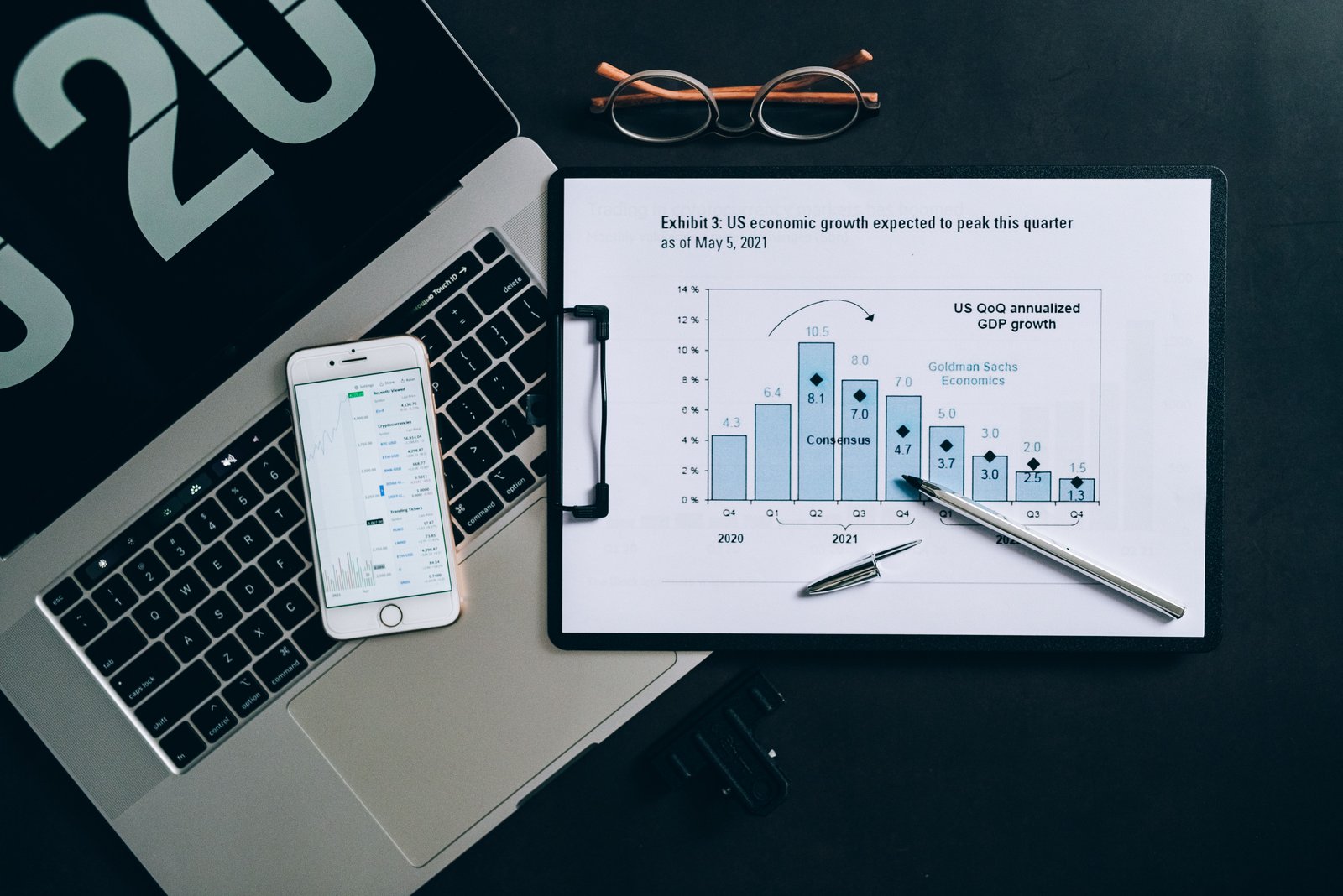
Economists and federal statisticians note that quarterly GDP revisions are standard operating procedure rather than evidence of political tampering. The Bureau of Economic Analysis releases three scheduled estimates for every quarter as more complete tax, inventory, trade, and business survey records arrive. In Wednesday’s second estimate for Q3 2026, the 0.9-percentage-point upward revision was driven largely by updated software investment and consumer goods spending figures, well in line with historical quarterly revisions.
Thursday’s demand echoes August 2025, when Trump fired the head of the Bureau of Labor Statistics without evidence of manipulation after a weak jobs report showed slowing hiring and downward revisions. Financial analysts warn that politicizing independent statistical agencies risks eroding business and market confidence in core U.S. economic benchmarks.
While Trump focused on the revised growth figure, he omitted that the same Wednesday BEA report showed the personal consumption expenditures (PCE) price index, the Federal Reserve’s preferred inflation gauge, accelerated to a 3.8% annual pace in October. According to the AP Voter Poll from the midterms, 76% of voters rated economic conditions as “not so good” or “poor,” and roughly two-thirds blamed administration policies for higher inflation.
Credibility of U.S. Economic Data Under Pressure
With federal offices largely closed for the Thanksgiving holiday, the Commerce Department did not immediately respond to Trump’s demand for an inquiry. Even so, Trump calls pre-election GDP data ‘fake,’ seeks probe at a moment when investors, businesses, and everyday households rely on trustworthy, nonpartisan numbers to navigate stubborn inflation and shifting interest rates.
My View
Calling routine statistical updates “fake” every time the calendar does not suit a political narrative is a dangerous habit that weakens public trust in vital institutions.
Businesses, pension funds, local governments, and working families depend on agencies like the Bureau of Economic Analysis and the Bureau of Labor Statistics to report the facts straight, whether the numbers bring applause or political headaches. When leaders smear civil servants without a shred of evidence, they chip away at the very credibility that makes U.S. economic data trusted around the world.
Voters did not judge the economy in November by a decimal point on a Commerce Department spreadsheet; they judged it at the grocery store, the gas pump, and the utility bill. Instead of investigating statisticians for doing their jobs, leaders should focus on bringing down everyday living costs.