Keiko Fujimori, Peru’s conservative president-elect, has pledged to bring back “order and hope” after securing victory over left-wing rival Roberto Sanchez in an election result seen as another boost for the growing right-wing movement across Latin America.
On June 7, Keiko Fujimori secured a narrow victory over Roberto Sanchez in Peru’s presidential runoff election, winning by fewer than 50,000 votes out of the more than 18 million ballots cast, according to the final results.
Peru’s National Electoral Jury is expected to formally declare the winner on July 3 after spending several weeks reviewing disputed ballots.
After being declared the winner, Keiko Fujimori wrote on X: “Each time we draw closer to starting on the path of order and hope for all Peruvians.”
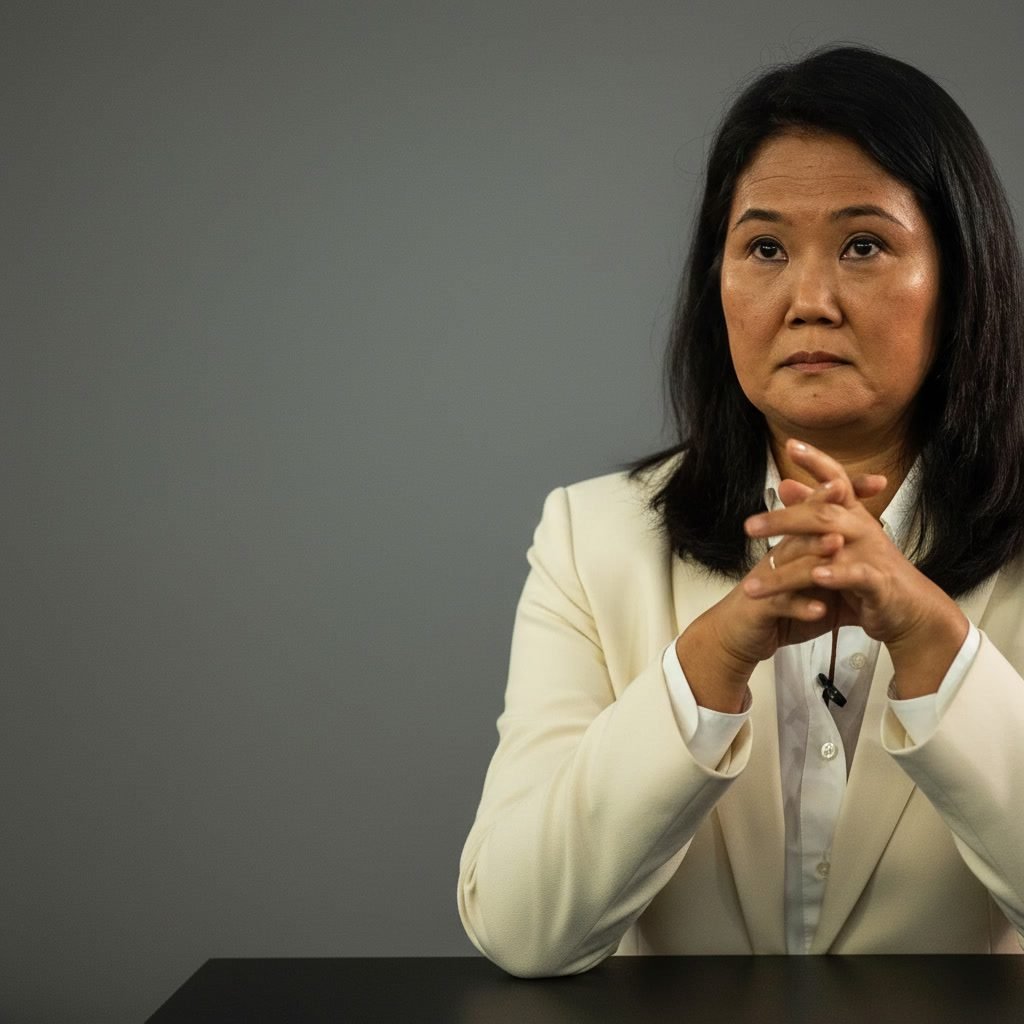
Keiko Fujimori, 51, has been elected president of Peru after making her fourth bid for the country’s highest office. She is the daughter of former Peruvian leader Alberto Fujimori.
The election campaign was dominated by public concerns over increasing crime and years of political turbulence, with Peru witnessing a rapid turnover of leadership and eight presidents in the past 10 years.
Against the backdrop of rising extortion cases and increasing contract killings, Keiko Fujimori promised tougher security measures, drawing comparisons to the hardline approach associated with her father’s administration.
Her father, Alberto Fujimori, was widely credited by supporters for weakening Maoist insurgent groups and stabilising Peru’s economy during a period of severe inflation. However, his legacy was later overshadowed by corruption scandals, exile, and imprisonment over human rights abuses and crimes committed under anti-terror operations.
At one stage of the vote counting, Roberto Sanchez was ahead, but Keiko Fujimori later overtook him to emerge in front.
Sanchez had earlier said he would not accept an administration led by his opponent, alleging irregularities in the management and counting of ballots cast abroad.
Keiko Fujimori is expected to be sworn into office on July 28 and will serve a five-year presidential term.
Often viewed in the past as a divisive political figure, Fujimori spent much of her campaign attempting to project a more moderate and approachable image to voters.
She became Peru’s first lady at the age of 19 after her mother publicly separated from her father, Alberto Fujimori. She later studied in the United States and trained as a business administrator.
Over the years, the Fujimori political name has been both an advantage and a challenge for her — helping her build strong public recognition, maintain a dedicated support base and develop influential political connections, while also attracting sustained criticism from opponents.
Many Peruvians continue to associate the Fujimori name with painful memories from the administration of Alberto Fujimori and, for that reason, have opposed supporting Keiko Fujimori in previous elections, contributing to her three unsuccessful presidential bids.
Her critics have also accused both Fujimori and her political party, Fuerza Popular, of playing a major role in Peru’s prolonged political uncertainty, pointing to the party’s influence and political negotiations within Congress.