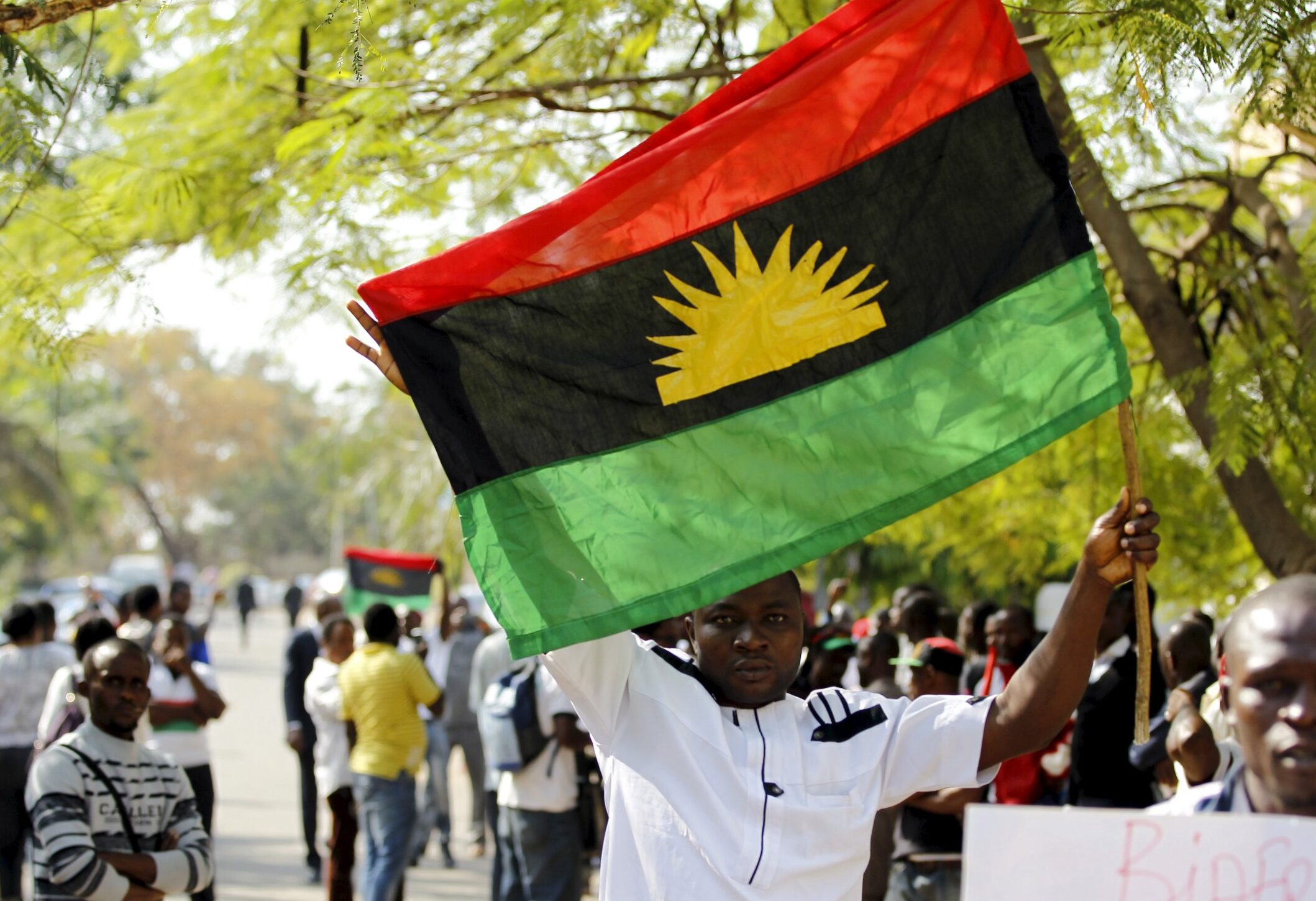

In a dramatic showdown that will test the real power in Nigeria’s Southeast, the Indigenous People of Biafra (IPOB) has declared a total lockdown across the region for Monday, February 2, directly defying Anambra State Governor Chukwuma Soludo’s explicit order for markets to open or face demolition.
The conflict escalated when Governor Soludo, enraged by traders observing the weekly Monday sit-at-home, shut down Onitsha Main Market for one week and threatened to demolish it if the closures continued. He gave traders an ultimatum: open on Monday and allow his government to remodel the market, or see it destroyed for a two-year reconstruction.

In response, IPOB issued a declaration of a “Biafra-wide solidarity strike,” labeling Soludo’s moves as “tyrannical actions.” The group’s statement, signed by spokesman Emma Powerful, frames the lockdown as a “peaceful and unified response” to the governor’s threats of “month-long closures, revocation of land ownership, demolition, and punitive repurposing.”
A Test of Wills with the Economy as Collateral
Monday, February 2, now becomes a critical referendum on authority in the Southeast. On one side is the elected state government, using its legal power over land and commerce to break a pattern of economic paralysis it calls sabotage. On the other is IPOB, leveraging its grassroots influence and the emotive cause of its imprisoned leader, Nnamdi Kanu, to enforce its will on the streets.
The standoff places tens of thousands of traders and residents in an impossible position: defy the governor and risk losing their shops and livelihoods, or defy IPOB and risk violent reprisal. IPOB insists the action is “peaceful” and born of “genuine solidarity,” but its enforcement has historically been brutal.
As Monday dawns, the quiet streets of Onitsha and other Southeast cities will answer the fundamental question: in Anambra State, who truly holds the power—the man in the government house or the group controlling the gates of the market?