

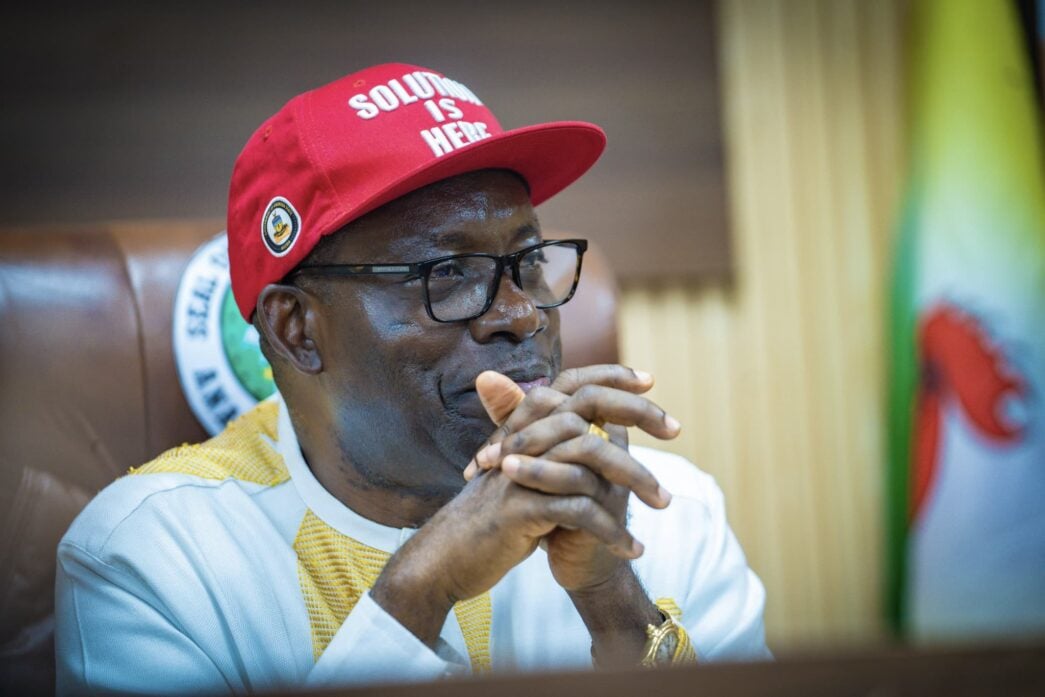
Tensions are rising in South-East Nigeria as traders in Anambra and neighboring states find themselves in the middle of a clash between the government and separatist groups. The Indigenous People of Biafra (IPOB) has called for a sit-at-home across the South-East on Monday, February 2, 2026, claiming solidarity with traders at the Onitsha Main Market. Meanwhile, Anambra State Governor, Prof. Chukwuma Soludo, has ordered the market closed for one week, citing economic damage from previous sit-at-home actions.
A Struggle Between Authority and Protest
Governor Soludo’s move to close Onitsha Main Market reflects frustration with the continued disruption of the state economy. Since July 30, 2021, IPOB’s repeated calls for sit-at-home actions have, in the government’s view, held back commerce and livelihood in key urban areas. Soludo warned traders against compliance, framing the closures as necessary to protect the state’s economy.
But traders themselves see the sit-at-home as a voluntary gesture of support for IPOB leader Nnamdi Kanu, who is currently standing trial over separatist-related charges. Many vendors insist their participation is not politically motivated but is an expression of solidarity with Kanu’s plight.
IPOB Strikes Back
In a statement obtained by our correspondent, IPOB accused Soludo of collaborating with “Abuja allies” to undermine both traders and the broader Biafran self-determination cause. The group described the market closure as an attack on livelihoods and announced what it calls a “Biafra-wide solidarity strike,” urging residents to stay indoors and suspend commercial activity.
The statement emphasized peaceful compliance: “On Monday, February 2, 2026, we call on all Biafrans across Anambra, Abia, Imo, Enugu, Ebonyi and beyond to observe this solidarity strike peacefully.” IPOB reiterated demands for the unconditional release of Nnamdi Kanu and accused the state government of escalating tensions through economic intimidation.
Traders Caught in The Middle
For the traders at Onitsha Main Market, the conflict has real consequences. Many small business owners fear loss of income due to both the government’s forced closure and the call by IPOB to remain indoors. Some traders have expressed frustration at being used as pawns in a political battle they did not initiate, caught between the authority of the state and the pressure of a separatist movement.
What Comes Next
As of now, the Anambra State Government has not responded to IPOB’s latest declaration. Traders, meanwhile, face uncertainty, unsure whether to comply with the government order, heed IPOB’s call, or risk potential penalties from either side.