
The Tanzanian government has ordered all civil servants to work from home on Thursday as the country grapples with a second day of violent protests following a contentious general election. The directive, announced by government spokesperson Gerson Msigwa on social media, expands the lockdown-like measures in the commercial capital, Dar es Salaam, which is already under a night-time curfew enforced by police and military patrols.
The unrest presents a critical challenge for President Samia Suluhu Hassan, who is widely expected to secure a second term after her two main opponents were barred from the presidential race. The election, which the main opposition party CHADEMA has dismissed as a “coronation,” was marred by violent clashes on Wednesday.
The Deepening Crisis and Casualties
The situation remains volatile, with the US Embassy in Tanzania reporting road closures, including the route to the international airport. Sounds of gunfire and tear gas were reported in several neighbourhoods on Thursday as police moved to disperse gatherings.
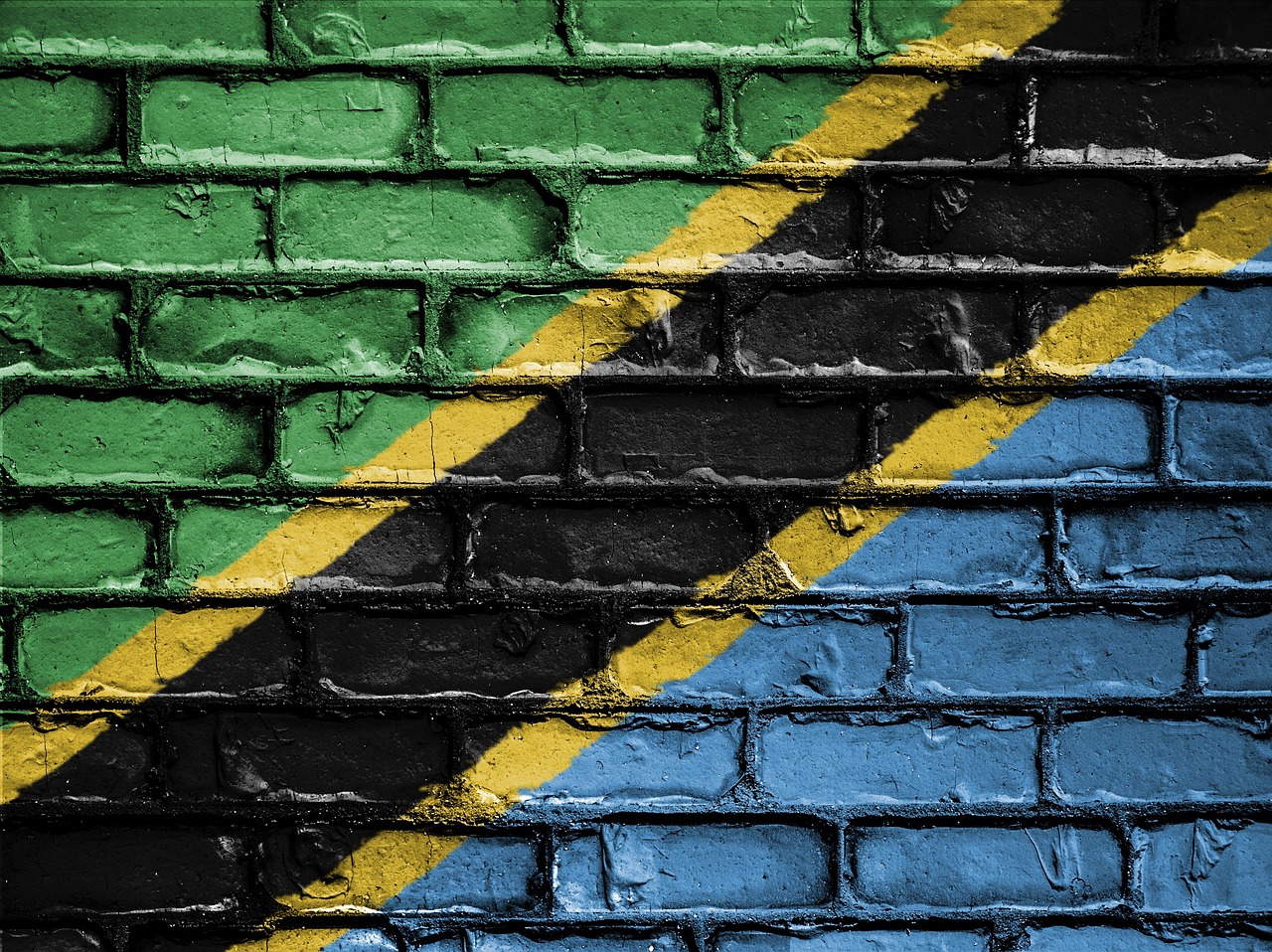
The human cost of the crackdown is becoming clearer. Rights group Amnesty International described reports of a civilian and a police officer killed as “deeply disturbing” and called for an independent investigation. Sources at Dar es Salaam’s Muhimbili Hospital told the BBC they had seen an “influx of wounded patients”. While a Tanzanian human rights activist reported at least five fatalities, a diplomatic source told Reuters the death toll in Dar es Salaam alone could be at least 10.
Amid the turmoil, a nationwide internet blackout persists, severely restricting the flow of information. Amnesty has warned that this digital shutdown could further inflame the situation. The government’s actions extend beyond the digital realm. The main opposition leader, Tundu Lissu of CHADEMA, is in jail on treason charges, and his party was disqualified from the election. The only other serious contender, Luhaga Mpina of ACT-Wazalendo, was also disqualified on legal technicalities, leaving President Samia to run against 16 fringe parties with no significant public support.
President Samia, initially praised for easing repression after taking office in 2021, has seen her government increasingly accused of reversing course, with critics pointing to a wave of abductions and arrests targeting opposition figures . The electoral body is expected to announce final results within three days, but the escalating street protests suggest a deep-seated political crisis is just beginning.
Why It Matters
The government’s strategy is clear as day: a physical clampdown through curfews and roadblocks, combined with an information blackout via an internet shutdown. Ordering civil servants to stay home is a calculated move to empty the streets and cripple the city’s normal functions, revealing a government that views its own capital as hostile territory.
The decision to eliminate all credible opposition before a single vote was cast has backfired spectacularly. By turning the election into a “coronation,” the government has stripped the process of its democratic veneer and channeled public frustration away from the ballot box and into the streets. The reported casualties and nationwide digital blackout suggest that President Samia’s administration, despite its predictable victory, is governing from a position of profound weakness and fear, not strength.