
In a revealing sequence, controversial Islamic cleric Sheikh Ahmad Gumi has executed a sharp about-face, vigorously denying viral claims he was a U.S. target while social media evidence suggests he has quietly purged his own online posts critical of America—a vanishing act that raises urgent questions about his motives and consistency in the wake of President Donald Trump’s aggressive foreign policy.
The cleric’s forceful denial, posted to his Facebook page, labeled reports of his U.S. targeting as “completely false,” attributing them to a misinterpreted 2012 story about a Boko Haram plot. He claimed to be living at home “without fear, intimidation, or apprehension”.
A Pattern of Contradiction and Self-Preservation
However, this latest denial stands in stark contrast to Gumi’s own recent, vocal rhetoric. Just days before the U.S. airstrikes in Sokoto, Gumi was publicly condemning the American military intervention, warning it would attract anti-U.S. forces and turn Nigeria into a “theatre of war”. His sudden shift to a posture of serene detachment from U.S. actions appears politically convenient.
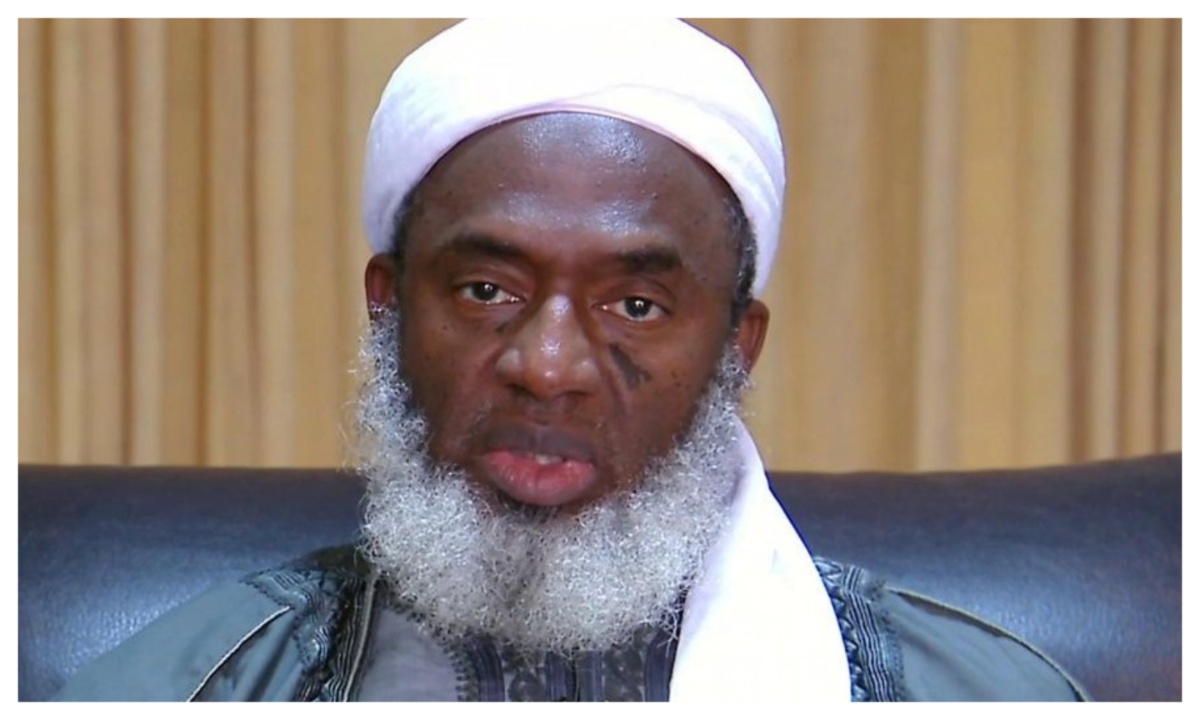
This contradiction is compounded by reports from social media users claiming that Gumi has deleted a series of his own previous posts criticizing the U.S. government. While these claims require further verification, the alleged purge occurred “shortly after [the] Venezuela president was captured”—a parallel U.S. operation that demonstrated Trump’s willingness to use direct military force against foreign adversaries. This timing suggests a cleric potentially scrambling to distance himself from past incendiary comments in a newly dangerous geopolitical climate.
From Firebrand Critic to “Peaceful Person”
Gumi’s attempt to recast himself as a “peaceful person” who “didn’t offend anyone” is a dramatic retreat from his established role as a firebrand critic of both the Nigerian government and Western powers. His history of negotiating with bandits and criticizing state security strategies has long made him a contentious figure.
Analysts suggest his denial and alleged social media cleanup are less about correcting a factual error and more about damage control and self-preservation. Faced with the tangible proof of U.S. capability and resolve displayed in Venezuela, Gumi’s previous bravado seems to have evaporated, replaced by a calculated effort to avoid becoming a target himself.