A federal judge in Texas has invalidated major provisions of the National Firearms Act (NFA), ruling that longstanding federal regulations on firearm suppressors and certain high-risk weapons can no longer be enforced after the removal of taxes tied to the law.
The decision, delivered on Wednesday by U.S. District Judge James Hendrix, comes more than a year after President Donald Trump signed legislation eliminating the $200 federal tax on firearm suppressors, short-barrelled rifles, short-barrelled shotguns and other weapons covered by the NFA.
The ruling could allow eligible firearm owners to purchase suppressors — commonly referred to as silencers — and other regulated firearms without registering them under the NFA. It also removes an additional layer of background screening linked to the registration process.
The National Firearms Act was enacted in 1934 to regulate weapons considered particularly dangerous following concerns over organised crime and gang violence during that era.
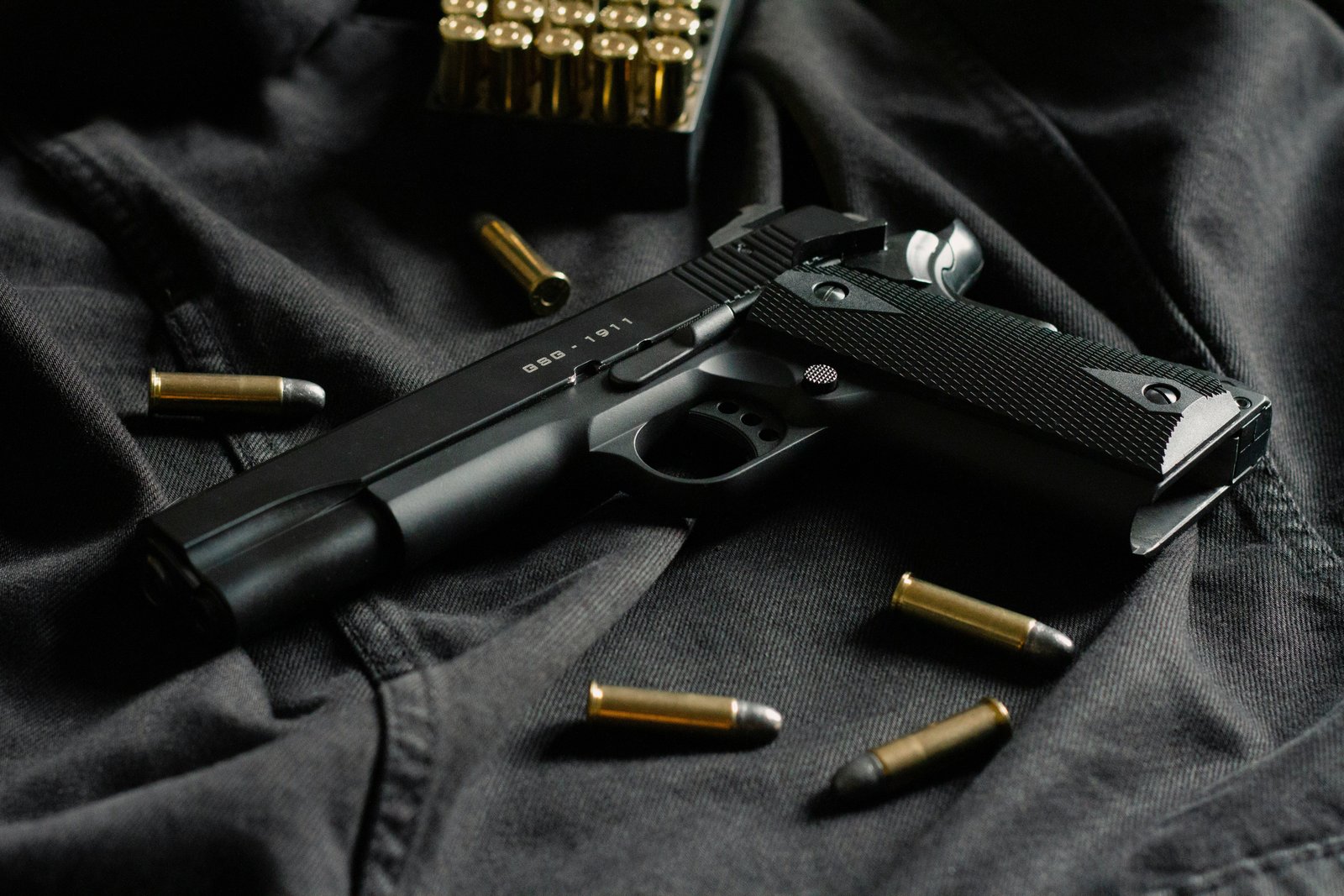
In his ruling, Judge Hendrix said the regulations could no longer be justified after Congress removed the tax that had formed the constitutional basis for the law.
“No longer can the challenged NFA provisions be justified — as they have been for nearly 90 years — under Congress’s taxing power,” Hendrix wrote.
The Bureau of Alcohol, Tobacco, Firearms and Explosives (ATF), which oversees enforcement of the law, had not commented on the ruling as of the time of filing this report.
Gun rights organisations welcomed the decision, arguing that the NFA registration system had primarily existed to enforce tax collection rather than regulate firearm ownership.
The Second Amendment Foundation described the judgment as a significant legal victory.
“This ruling will set a precedent we can now argue in courts across the country to allow Americans to exercise their Second Amendment rights without fear of being placed on some government registry,” the organisation said.
Gun control advocates, however, warned that the decision weakens public safety safeguards.
Adam Skaggs, chief counsel at the Giffords Law Center, said the registration process required authorities to notify local law enforcement and determine whether there were grounds to reject an application.
“That process effectively functioned as a heightened background check for NFA weapons, and that process is no longer enforceable,” Skaggs said.
The Giffords Law Center also criticised the ruling, saying, “Today’s ruling is a dangerous step backward for public safety.”
According to the ATF, more than 6.4 million firearm suppressors were registered across the United States as of June.