
An investigation by NBC News has revealed important lapses in the emergency protocols of autonomous vehicle (AV) operators across Texas. State law mandates that self-driving car and truck companies maintain operational, dedicated emergency phone lines to assist police, firefighters, and first responders whenever a vehicle malfunctions. However, hands-on testing of all 17 state-registered emergency contact numbers revealed that multiple lines were completely unstaffed, listed incorrectly, or entirely disconnected.
The findings come at a time of mounting scrutiny over how driverless fleets interact with municipal infrastructure, emergency personnel, and surrounding traffic during real-world crises.
Key Findings from the Investigation
The reporting, led by NBC News tech correspondent David Ingram, systematically evaluated the readiness of Texas’s statutory AV response network. Out of the 17 company emergency plans on file with state authorities, 5 phone numbers failed to connect to live support personnel trained to handle real-time vehicle hazards. Issues included out-of-service phone lines, unmonitored automated voicemail systems, and erroneous numbers pointing to non-emergency corporate lines.
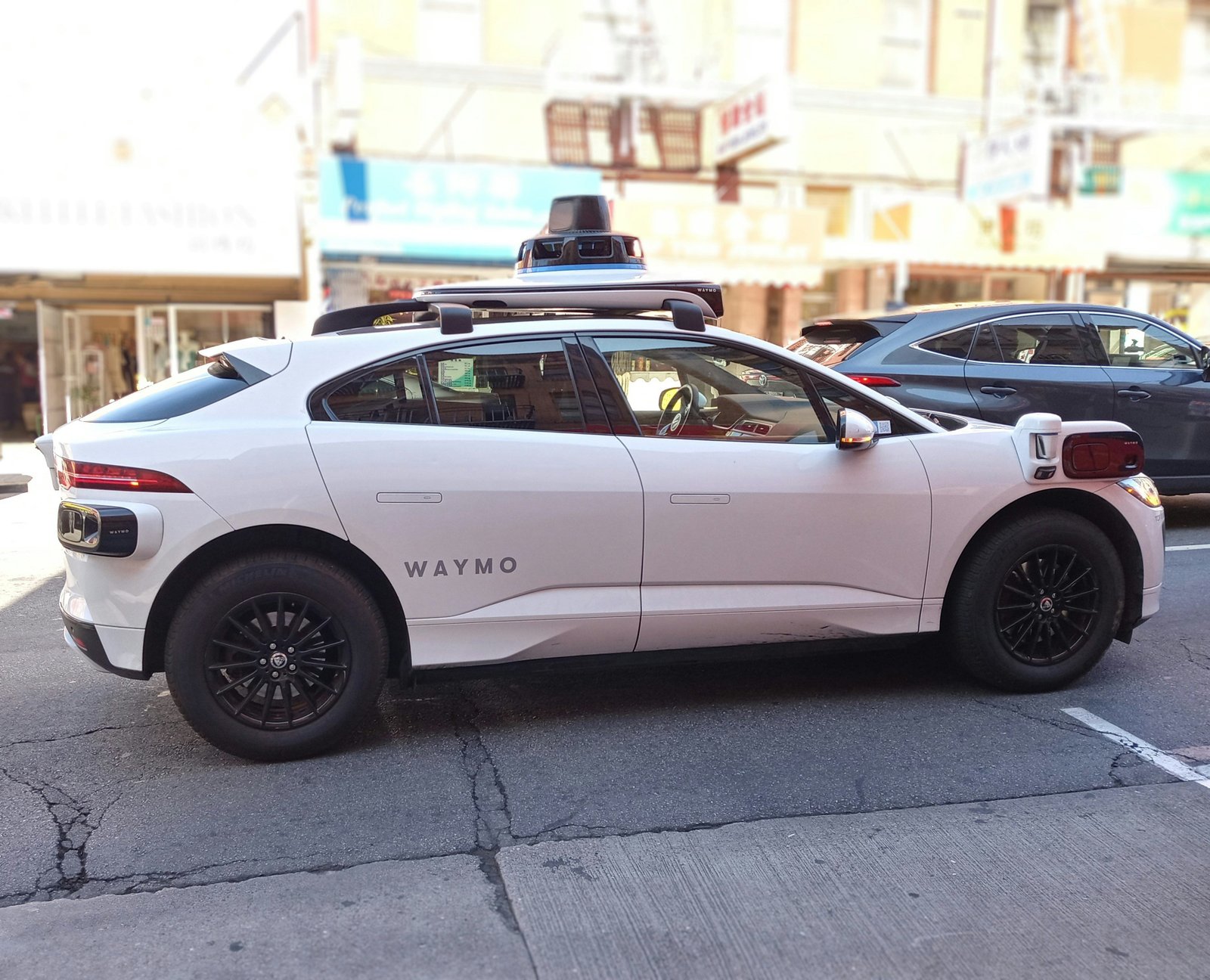
In situations such as a stalled driverless vehicle blocking active fire lanes or medical transports a dead hotline prevents dispatchers from securing immediate remote vehicle overrides or clearing obstruction hazards.
Escalating Regulatory Pressures in Texas
The breakdown in mandatory phone channels adds to growing friction between local Texas officials, emergency services, and autonomous fleet operators. Cities like Austin and Dallas have experienced repeated incidents where stalled driverless vehicles blocked ambulances attempting to transport trauma patients, entered active fire scenes, or required manual intervention by police officers to clear roadways.
In response to these operational failures, state lawmakers and city authorities are advancing stricter oversight measures. Proposed adjustments include mandatory real-time direct operator hotlines, required local emergency training, and stricter penalties for operators that fail to maintain compliant contact channels.
Personal Opinion
The exposure of disconnected emergency hotlines reveals a fundamental flaw in the rollout of commercial autonomous vehicles: the tendency to prioritize software deployment over basic physical infrastructure compliance. An autonomous vehicle operating without a responsive emergency channel is not merely a technical nuisance; it represents an active public safety hazard.
When a 4,000-pound driverless vehicle freezes in an intersection or blocks an emergency response vehicle, first responders cannot afford to deal with dead phone lines or automated voicemails. For autonomous mobility to earn long-term public trust, technology companies must treat regulatory compliance and first-responder safety networks with the same rigor they apply to their self-driving algorithms.