
As the first funerals for the slain began under a cloud of national grief and searing anger, Australian authorities hit the surviving Bondi Beach gunman with a staggering 59 criminal charges on Wednesday, including 15 counts of murder and a terrorism offense, in a legal reckoning for a massacre that has already begun to reshape the nation’s laws.
Naveed Akram, the 24-year-old son who emerged from a coma just a day before being charged, was named in a court filing as the man accused of opening fire on a Jewish Hanukkah celebration with his father, killing 15 in the deadliest mass shooting in Australia in three decades. Police allege the attack was intended “to advance a religious cause and cause fear in the community,” pointing to early indications it was “inspired by ISIS.”
The charges landed on the same day Rabbi Eli Schlanger, a father of five known for his prison outreach, was laid to rest. The somber ritual of burial has been shadowed by furious questions over how the attackers—one of whom was briefly investigated for extremist links in 2019—legally obtained high-powered firearms and planned a trip to the Islamist-militant-plagued southern Philippines before the attack.
Prime Minister Anthony Albanese, facing criticism over rising antisemitism during the Israel-Gaza war, vowed to“stamp out and eradicate antisemitism from our society.” Yet, the government and intelligence services are under intense pressure to explain the catastrophic security lapses that allowed a known figure of interest to arm himself for carnage.
Government Enacts New Gun Laws Within Days
In direct response, New South Wales Premier Chris Minns announced he would recall parliament next week to pass “urgent” and “wide-ranging” gun reforms, including capping the number of firearms a single person can own and restricting access to certain shotguns. The state will also tighten protest laws to prevent unrest after terror events.
“We’ve got a monumental task in front of us,” Minns said. “It’s a huge responsibility to pull the community together. I think we need a summer of calm and togetherness, not division.” The swift legislative move underscores how profoundly the attack has destabilized Australian politics and its famously strict gun control consensus.
Heroes Wounded, a Community in Mourning
As the alleged perpetrator was charged, the heroes of the day faced their own battles. Ahmed al-Ahmed, the 43-year-old who tackled a gunman and was shot, was due for further surgery. His uncle in Syria declared, “Ahmed is a hero, we’re proud of him. Syria, in general, is proud of him.”
Meanwhile, the family of 22-year-old police officer Jack Hibbert, shot twice in his fourth month on the force, revealed he had lost vision in one eye and faces a “long and challenging recovery.”
The victims spanned generations of trauma: a Holocaust survivor, a husband and wife who first approached the gunmen, and a 10-year-old girl named Matilda, whose Ukrainian father pleaded at a vigil, “just remember the name, remember her.”
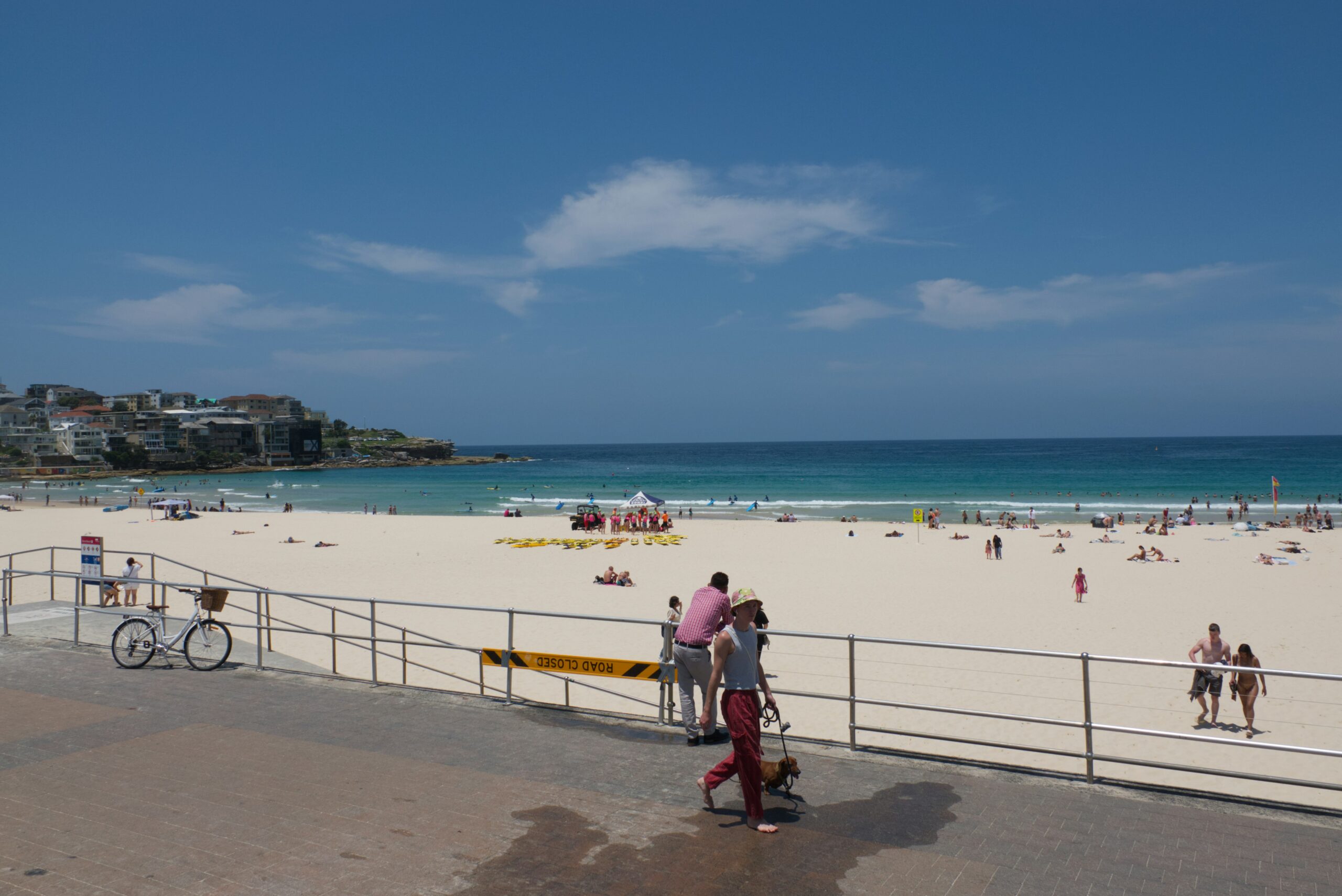
On Bondi Beach Wednesday, swimmers held a minute’s silence where a New Year’s Eve party had now been canceled. The sand where joy once reigned is now a monument to loss, a crime scene giving way to a gravesite, as a nation buries its dead and a justice system begins the long, grim task of holding a surviving shooter to account.