
The news of a celebrity launching a clothing brand no longer feels like an anomaly; it feels like the next logical step. From music stars to Nollywood actors and social media comedians like Nons Miraj, the pivot to fashion is a calculated move driven by fame, commerce, and the need for diversification. Let’s break this down shall we?
1. The Power of Personal Brand as Currency
In Nigeria, a celebrity’s persona is their most valuable asset. A clothing line allows them to monetize their aesthetic and influence directly.
- The Look: Many celebrities, like Nons Miraj, cultivate a distinct, often vibrant, and attention-grabbing style that becomes synonymous with their brand. Selling clothing is simply selling a piece of that recognizable identity to their massive, highly engaged fan base.
- Built-in Marketing: Unlike traditional fashion entrepreneurs who must build a brand identity from scratch, celebrities bypass this entirely. The moment they announce the launch, they have millions of ready-made customers and a marketing platform (their social media accounts) that costs nothing to run.
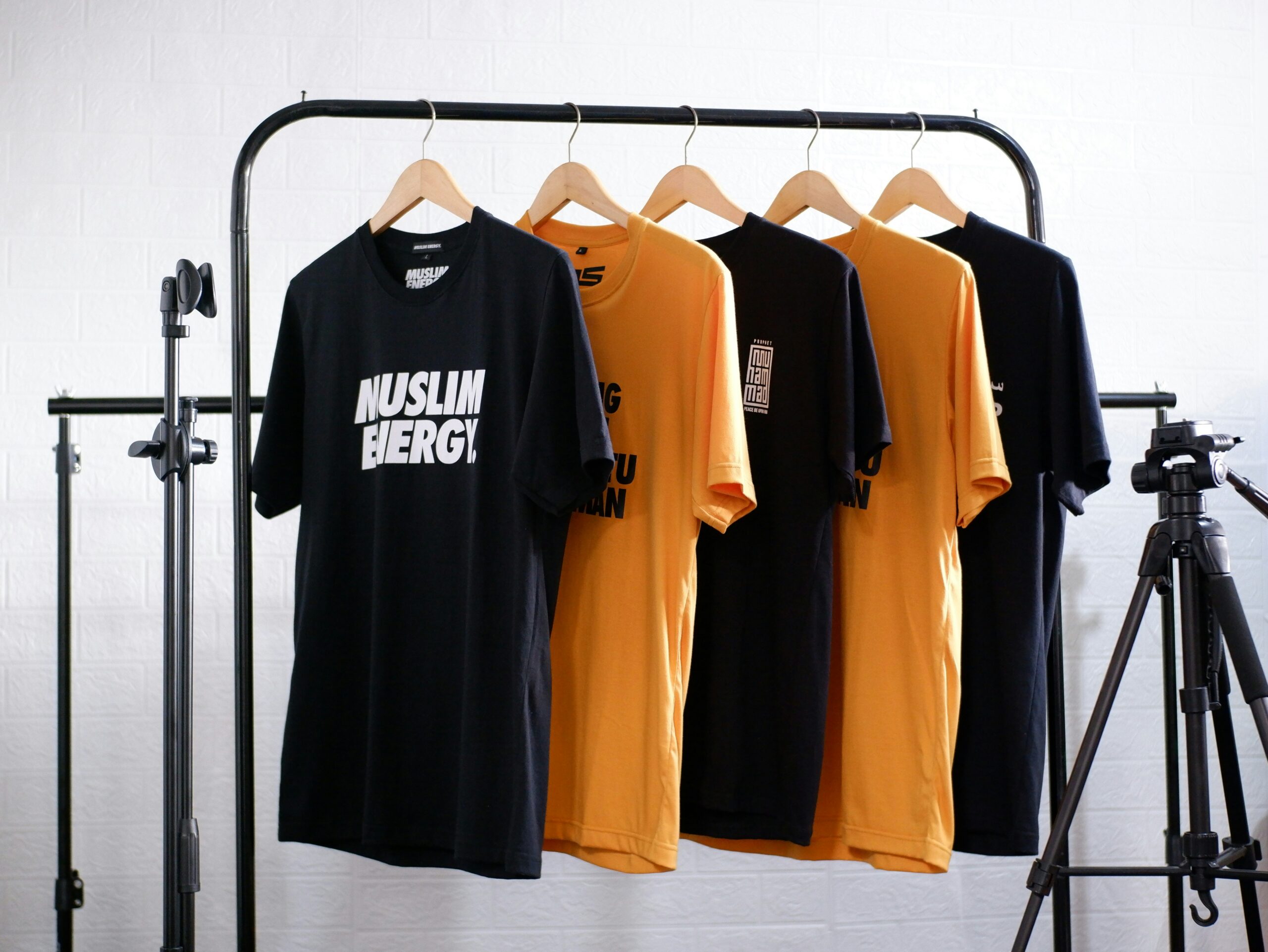
2. The Economic Engine: Diversification and Longevity
The creative industries in Nigeria are incredibly fast-paced. A key business principle is to diversify income streams to achieve financial stability and longevity.
- Beyond the Spotlight: While Afrobeats streams and skit endorsements are lucrative, they can be volatile. A physical product line—especially a durable one like clothing—creates an asset that generates revenue even when the celebrity is not actively creating new content or performing.
- Examples of Diversification:
- Genevieve Nnaji (St Genevieve): The Nollywood icon launched her clothing line, focusing on infusing her classic, sophisticated style into a ready-to-wear brand, proving that even A-list actors view fashion as a necessary extension of their brand.
- Burna Boy (Limited Edition Merch): While more focused on touring merchandise, stars like Burna Boy create limited-edition drops that tie directly into their global image, instantly selling out and proving the demand for their brand’s physical presence.
3. Merchandising as Cultural Statement
For many Nigerian entertainers, a clothing line is not just business; it is a way to promote Naija culture and a sense of belonging among their followers.
- Streetwear and Identity: Many Nigerian celebrity brands, like those associated with rappers and musicians (Zlatan Ibile’s ZTTW and past lines by artists like Ruggedman), focus heavily on streetwear. This genre allows them to translate street slang, cultural motifs, and music themes into wearable art that resonates deeply with the youth audience.
- Global Reach: When a celebrity like Wizkid collaborates with a major sportswear brand (e.g., the Starboy Jersey with Nike), the clothing line becomes a vehicle for taking Nigerian culture to a global audience, showing the world the commercial power of the Afrobeats aesthetic.
4. Low Barrier to Entry (Relatively)
The initial cost and complexity of launching a small, direct-to-consumer (D2C) clothing line—especially simple apparel like t-shirts, hoodies, and loungewear—are relatively low compared to other major businesses like real estate or manufacturing.
- Fast Fashion Model: With local manufacturing hubs and a robust textile importation network, Nigerian public figures can quickly create and sell collections, capitalizing on their immediate fame with a fast-fashion approach that minimizes overhead and time-to-market.
The Quality Question: Craftsmanship vs. Commerce
The critical distinction between a celebrity brand and that of an established designer often comes down to quality, intent, and craftsmanship.
The Established Designer’s Dedication
Established Nigerian fashion houses are celebrated globally for their commitment to couture-level artistry. Brands like Deola Sagoe, Lisa Folawiyo (known for intricate beadwork and embellishments), Mai Atafo (master of tailoring), and Tiffany Amber have built their reputations on:
- Intricate Craftsmanship: They invest heavily in hand-finished detailing, meticulous tailoring, and the transformation of indigenous fabrics like Ankara and Adire into luxurious, wearable art.
- Creative Vision: Their work is often thematic, focusing on storytelling, cultural preservation, and pushing avant-garde silhouettes.
- Longevity: These pieces are designed to be high-cost, long-lasting investments, prioritizing slow fashion principles and meticulous quality control.
Vs. The Celebrity Brand’s Focus
In contrast, many celebrity-backed lines often operate on a fast-fashion model driven by rapid consumption and accessibility.
- Focus on Volume and Speed: The main goal is often to deliver a wearable piece of the celebrity’s brand quickly and at a more accessible price point. The products tend to be simpler apparel like t-shirts, hoodies, or athleisure that rely more on branding than complex construction.
- Quality Control Challenges: The Nigerian manufacturing sector faces challenges with inconsistent quality control, high production costs, and a lack of standardized processes. For celebrity lines that prioritize speed and scale to meet fan demand, quality can sometimes be compromised, leading to issues with stitching, sizing consistency, and fabric durability that are commonly reported in online reviews of high-volume D2C brands.
Conclusion
The success of a celebrity’s clothing line is ultimately measured by its commercial impact and the strength of the celebrity’s brand; the success of a traditional designer is measured by their critical acclaim and the quality of their legacy.
Nons Miraj’s entry simply reaffirms that in the Nigerian creative economy, fashion is the most direct and profitable bridge between fame and long-term financial fortune, regardless of where the quality benchmark is set.