
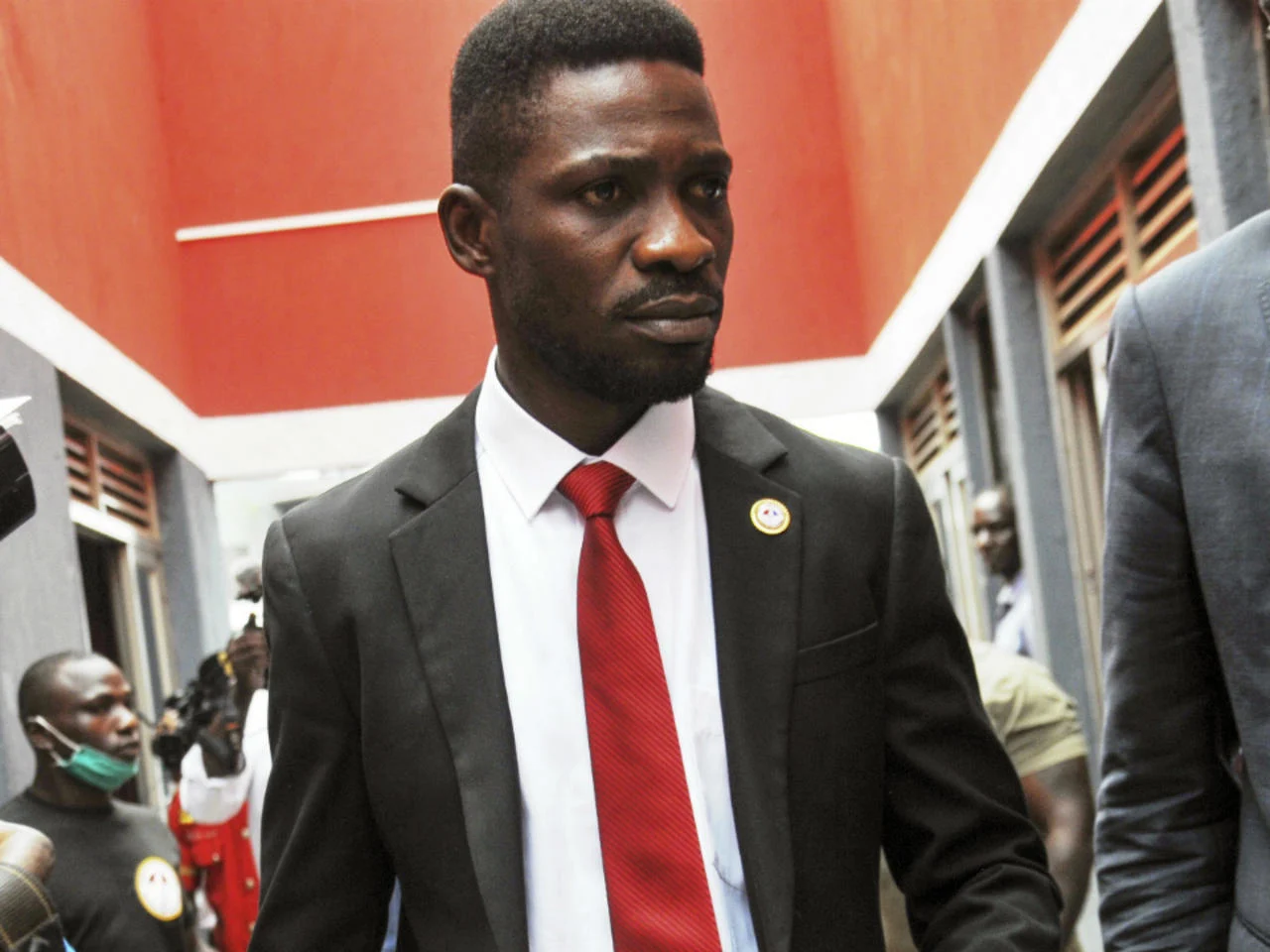
Uganda’s military establishment has issued a formal, public ultimatum to fugitive opposition leader Bobi Wine: surrender within 48 hours or be branded an “outlaw/rebel” and be dealt with accordingly. The threat, delivered by army chief and presidential son General Muhoozi Kainerugaba on social media, escalates a contested election into a potential armed conflict, with Kainerugaba openly praying for Wine’s death and declaring his forces had already killed 22 opposition “terrorists.”
The 48-hour countdown began Monday night after Kainerugaba—the 51-year-old son of veteran President Yoweri Museveni and his widely presumed heir—posted a series of incendiary statements targeting Wine, whom he referred to by the derogatory nickname “Kabobi.” “I am giving him exactly 48 hours to surrender himself to the Police,” Kainerugaba wrote. “If he doesn’t, we will treat him as an outlaw/rebel and handle him accordingly.” In a separate post, he added, “We have killed 22 NUP terrorists since last week. I’m praying the 23rd is Kabobi.”

From Political Rival to Hunted ‘Outlaw’
Kainerugaba’s ultimatum attempts a legal and rhetorical transformation: it seeks to recast Bobi Wine, the presidential runner-up and leader of the National Unity Platform (NUP), from a political competitor into an enemy of the state subject to military elimination. This move comes after Wine fled his home last week, alleging a military raid, and rejected Museveni’s landslide victory as fraudulent.
The army chief’s language deliberately echoes counter-insurgency operations, framing a political dispute with the language of war. This is not an isolated outburst but part of a pattern; Kainerugaba has previously threatened to invade Kenya and boasted of holding Wine’s bodyguard in his basement. His father, President Museveni, has long denied grooming him for succession, but the son’s command of the army and his public targeting of the opposition signal where ultimate power may soon reside.
A Contradiction in Official Narratives
The military’s stark threat exists in jarring contradiction to the official police line. While Kainerugaba declares Wine a wanted “outlaw,” national police spokesperson Kituuma Rusoke stated Monday that Wine was “not being sought.” This dichotomy reveals the regime’s two-faced strategy: a formal, civilian facade of legality maintained by police, backed by the implicit and now explicit threat of military violence from the ruling family’s most loyal enforcer.
The crackdown extends beyond rhetoric. Court documents showed at least 118 NUP members were charged Monday with election-related offences. NUP Secretary General David Rubongoya denied any violent activity by the party, framing the charges as political persecution designed to decapitate the opposition.
What This Means For The Future of Ugandan Opposition
The ultimatum presents Wine with a near-impossible choice. Surrender likely means arrest, detention, and a show trial on trumped-up charges, neutralizing him as a political force. Defiance validates Kainerugaba’s “rebel” framing and could justify his lethal targeting, setting a precedent that any serious challenger to the Museveni dynasty is not a politician but an insurgent to be crushed.
Kainerugaba’s posts have effectively declared open season on the opposition. By stating his forces have already killed 22 and praying for Wine to be number 23, he broadcasts a message of impunity. The 48-hour deadline is a psychological weapon, intended to terrorize Wine’s supporters and demonstrate that the army, commanded by the president’s son, is the final arbiter of Ugandan politics. The question is no longer who won the election, but whether any peaceful political opposition is possible under a regime where the army chief prays for his father’s rival to die.