
The meeting between the top U.S. and Israeli generals comes at a moment when the Middle East feels tight, tense, and one wrong move away from chaos. This was not a routine visit. It happened quietly, behind closed doors, and at a time when Iran is speaking in threats instead of warnings. That alone tells you this was serious business.
A Quiet Meeting With Loud Meaning
U.S. General Dan Caine and Israeli military chief Eyal Zamir met at the Pentagon without public notice. No photos, no press briefing, no details shared. That silence matters.
When meetings like this happen quietly, it usually means sensitive plans are being discussed. Not theory. Not future ideas. Real scenarios. Real consequences. The kind leaders do not want to be debated in public until they have no choice.
The fact that this meeting was not previously reported makes it even more important. It suggests urgency, not routine cooperation.
Why Now? Iran Is the Center of It All
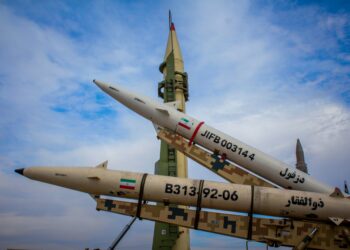
The timing is not random. The United States has been increasing its naval presence and strengthening air defenses across the Middle East. This came after President Donald Trump openly threatened Iran, pushing it toward negotiations using pressure instead of patience. Iran did not take that lightly.
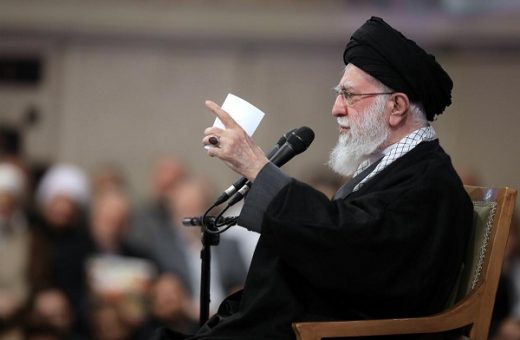
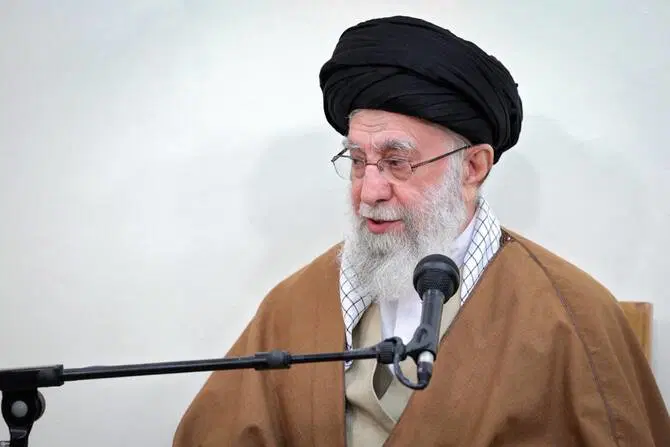
On Sunday, Iran’s leadership warned that any U.S. attack would trigger a wider regional conflict. That is not empty talk. Iran has allies, proxies, and influence across several countries. A strike on Iran does not stay local. It spreads.
Israel Is Preparing for Anything
After returning from Washington, Eyal Zamir met with Israel’s Defence Minister, Israel Katz. Their focus was simple and troubling: readiness for any possible scenario.
That phrase alone tells you Israel is not assuming calm. It is being prepared for escalation. Israel does not wait for conflicts to arrive at its door. It plans early, often quietly, and usually with U.S. backing.
The talks reviewed the regional situation, meaning Iran, its allies, and what could happen next if words turn into action.
The U.S. Strategy
Washington’s approach is obvious. Increase military presence. Strengthen defenses. Speak tough. Push Iran to negotiate from a weaker position.
But this strategy is risky. Pressure can force talks, yes. But it can also corner a country into reacting aggressively. Iran has already made its position known. If attacked, it will not stand alone. That is how regional wars begin. The meeting at the Pentagon suggests the U.S. and Israel are aligning closely, possibly planning for outcomes they hope to avoid but are no longer ruling out.
What This Really Signals
Closed-door military talks. Increased U.S. forces. Iran warns of fire. Israel is reviewing its combat readiness.
These are not signs of calm diplomacy. They are signs of a region holding its breath.
Whether this leads to negotiations or confrontation depends on decisions made quietly, far from cameras, just like this meeting was.