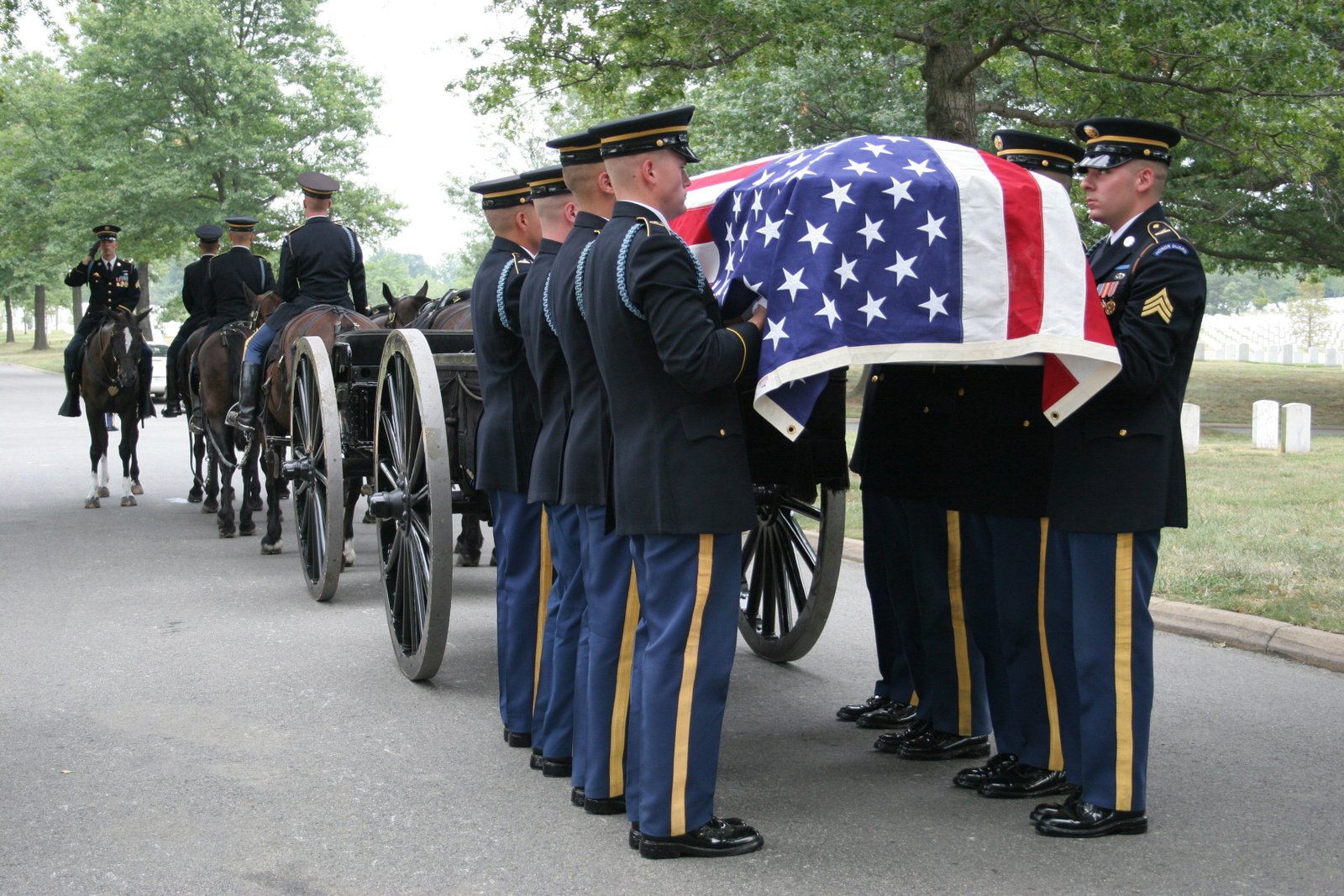

President Donald Trump traveled to Dover Air Force Base in Delaware to participate in a dignified transfer for fallen U.S. troops who lost their lives during recent military attacks in the Middle East. Defense Secretary Pete Hegseth joined the president at the solemn event to honor four U.S. Army soldiers killed in Jordan and Iraq. The fallen service members were brought back to American soil inside flag-draped caskets as military carry teams moved them from aircraft to waiting vehicles. Before the ceremony, Trump met privately with the grieving families of the four soldiers to offer condolences on behalf of the nation.
Details of the Dignified Transfer for Fallen U.S. Troops at Dover
The solemn return at Dover Air Force Base highlighted the human cost of growing conflicts overseas. A dignified transfer is not a formal ceremony, but rather a quiet, military movement designed to honor fallen service members as they return to the United States.
The four soldiers honored during the movement were:
- 1st Lt. Tyler James Feehan (25, Hawaii), Killed during strikes at Muwaffaq Salti Air Base in Jordan.
- Pvt. Isabella Gonzales (19, Texas), killed alongside Lt. Feehan during the attack in Jordan.
- Sgt. Angel Rampersad (28, New York), initially reported missing; her status was updated after investigators confirmed her death in the Jordan base attack.
- Sgt. Michael Emmanuel Swinton (30, North Carolina), A father of two killed at Erbil Air Base in northern Iraq during an explosive drone detonation.
Speaking to reporters prior to landing in Delaware, Trump called attending the transfer one of the hardest parts of serving as commander-in-chief, while reaffirming his administration’s foreign policy goals in the region.
My Opinion
Standing at Dover Air Force Base while flag-draped transfer cases are lowered off a military transport plane is perhaps the most sobering duty any American president faces. Beyond political speeches, press briefings, and strategic debates in Washington, this solemn ritual forces everyone to confront the real human sacrifice required when troops are sent into harm’s way.
Looking at the names and ages of these four service members makes this tragedy hit home. Private Isabella Gonzales was only 19 years old. Sergeant Michael Swinton left behind two young children. These were young Americans with full lives ahead of them, leaving behind parents, spouses, and children who will now carry an irreplaceable loss forever.
Whenever the United States gets drawn deeper into foreign conflicts, official statements often focus on figures, base locations, and military budgets. But ceremonies at Dover serve as an unavoidable reminder that behind every military strategy are real people risking their lives. Leaders in Washington have a solemn duty to ensure that American lives are never put in danger without a clear, necessary purpose and a realistic plan to protect them.
Attending a dignified transfer is a necessary mark of respect from the commander-in-chief, but the greatest honor leaders can offer our service members is carefully weighing every decision before putting them in harm’s way.
Bottom Line
As the nation mourns, the dignified transfer for fallen U.S. troops stands as a quiet promise that America will never forget those who give their lives in service. With military investigations still underway into the drone and base strikes in Jordan and Iraq, the families of these four soldiers now begin the painful process of laying their loved ones to rest.