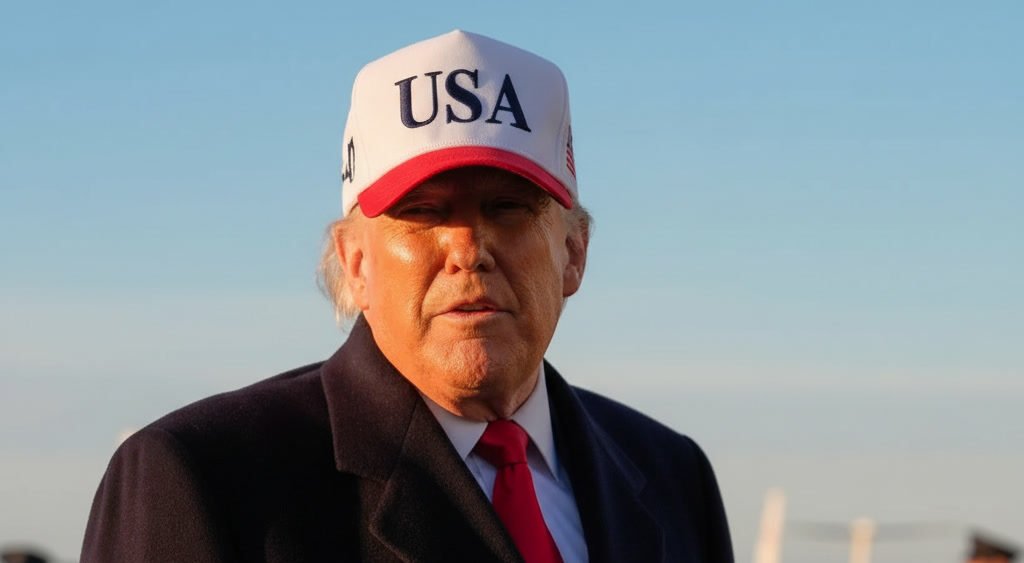

The planned visit by Special Envoy Steve Witkoff and Jared Kushner was intended to capitalize on a current ceasefire, but the President pulled the plug following the departure of Iranian Foreign Minister Abbas Araqchi from the Pakistani capital. By walking away from the table, the U.S. is returning to a policy of “maximum pressure” rather than continued mediation.
The “Leadership Confusion” Claim
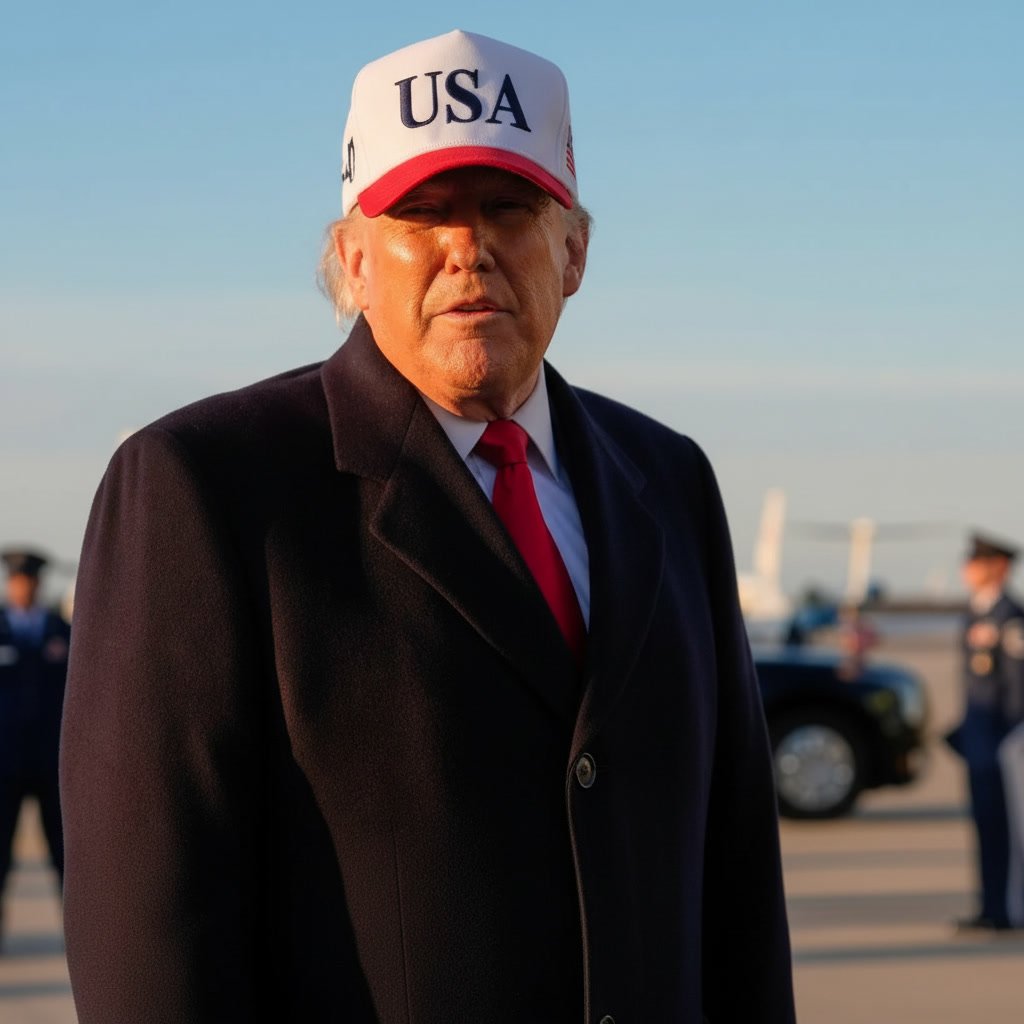
In a characteristically blunt social media post, the President justified the cancellation by questioning the stability of the Iranian government. Trump cited “tremendous confusion” and “infighting” within Iran’s leadership, claiming that “nobody knows who is in charge.” Reasserting his leverage, Trump stated, “We have all the cards; they have none! If they want to talk, all they have to do is call!” The Iranian Foreign Minister left Islamabad without a breakthrough, reinforcing the narrative that Tehran is unwilling to meet Washington’s “maximalist demands.”
The Economic Chokehold
The primary driver of the urgency in these talks is the effectively closed Strait of Hormuz, a chokepoint for 20% of the world’s oil and gas. While the U.S. blocks Iranian oil exports, Iran has restricted shipping through the strait, keeping global energy prices at multi-year highs and fueling domestic inflation. Vice President JD Vance led an unsuccessful first round of talks earlier this month. The failure of this second attempt suggests that the “principled positions” of both sides remain irreconcilable.
“Too much time wasted on traveling, too much work! … If they want to talk, all they have to do is call!” President Donald Trump
What Happens Next?
With the U.S. envoys staying home and the Iranian delegation back in Tehran, the “test of wills” in the Gulf enters a dangerous new phase. While a ceasefire is technically in force, the lack of a diplomatic roadmap increases the risk of accidental escalation or a return to active hostilities. Financial analysts warn that the “darkening global growth prospects” mentioned by Reuters will only worsen as long as the shipping lanes remain a theater of war.
The President’s decision to walk away suggests he believes time is on his side. However, for a world economy reeling from the February 28 airstrikes and the subsequent naval standoff, do you believe the President’s “all the cards” strategy will eventually force Tehran to blink, or is the decision to cancel the Islamabad trip a missed opportunity that leaves the global economy vulnerable to a permanent energy crisis?