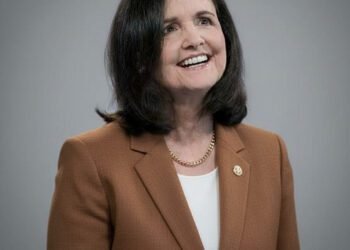
A fresh Trump battle has gripped the U.S. following news that Trump demands a name on the Kennedy Center before any major structural repairs can move forward. Federal Judge Christopher Cooper recently blocked efforts by the center’s board of trustees to affix President Donald Trump’s name to the facade of the John F. Kennedy Center for the Performing Arts, ruling that adding new inscriptions or memorials requires congressional approval. In response, the board voted to temporarily shutter the historic venue for emergency safety assessments, while Trump declared that a planned $257 million overhaul will remain on hold until the courts reverse the decision.
Kennedy Center Standoff
The dispute has intensified rapidly after board members aligned with the president voted to close the main building. Democratic Representative Joyce Beatty, an ex officio member of the board who brought legal action against the naming efforts, urged the court to intervene, arguing that the sudden closure is an attempt to bypass existing judicial orders. Meanwhile, photos circulating from Air Force One showed Trump holding materials referencing potential demolition scenarios, raising concerns among lawmakers and descendants of President John F. Kennedy.
Judge Christopher Cooper maintained that the board cannot alter the building’s physical naming or install new memorials without an act of Congress. Trump warned that without proper recognition for his administration’s fundraising and leadership, the facility could face permanent closure or eventual tearing down. The board cited acute public safety risks from structural deterioration as the reason for the immediate temporary shutdown.
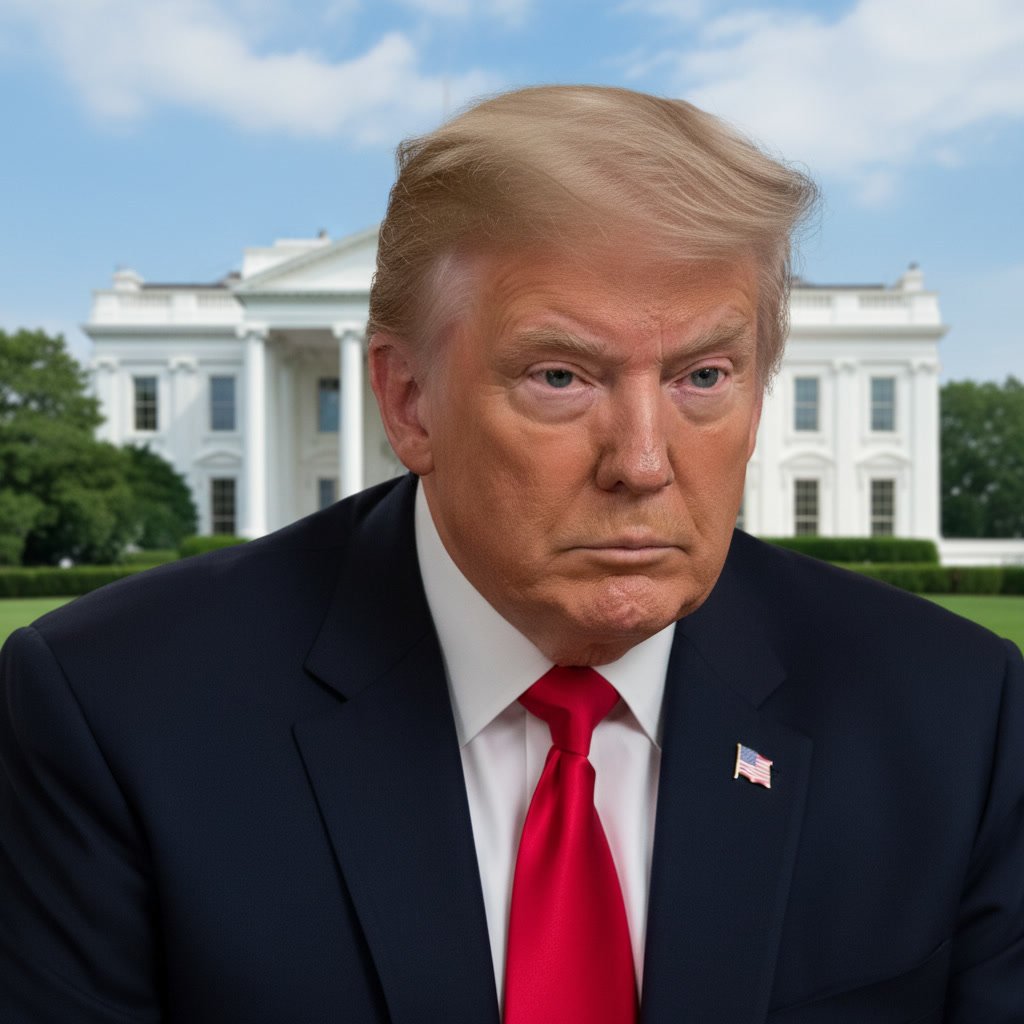
Opinion
Public monuments and cultural institutions serve as the shared heritage of an entire nation, meant to endure far beyond any single presidential administration. When personal branding becomes a mandatory condition for maintaining a national memorial, the core purpose of public service gets lost in self-interest. The John F. Kennedy Center was established specifically to honor a fallen president and provide a unified space for American arts and culture. Tying essential structural repairs to whether a current leader’s name is carved into the marble sets a troubling precedent for how national treasures are preserved.
When access to a cultural institution is held up over a naming dispute, everyday citizens, performing artists, and local workers bear the direct consequences. Great public monuments belong to the public, and preserving them should always come before personal recognition or political battles. Keeping a national center closed over sign placement diminishes the dignity of the institution itself.