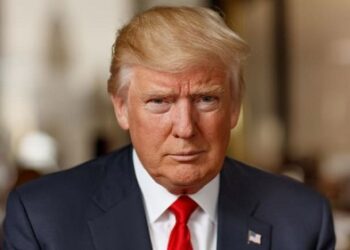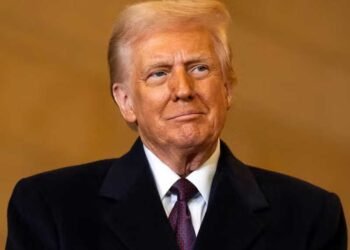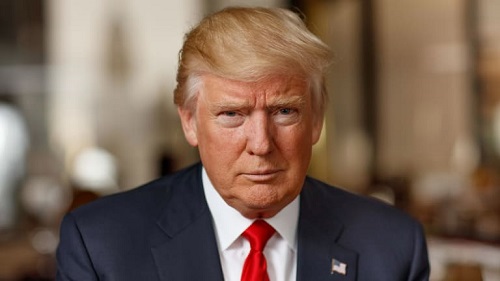

With public support for the Iran war languishing at just 25%, and at least 13 U.S. service members dead, President Donald Trump and his allies have turned to a familiar tactic: attacking the journalists covering it.
The administration’s rhetoric has escalated sharply in recent days, moving from routine criticism of “fake news” to explicit threats against broadcast licenses and even suggestions that media outlets should face treason charges — a felony punishable by death.
Press freedom advocates warn of a chilling effect on wartime journalism, pointing to the freedoms of speech and press enshrined in the Constitution. First Amendment experts say the administration’s threats are “flagrantly unconstitutional” and would almost certainly be struck down in court.
But the message is being sent nonetheless: cover this war the way we want, or face consequences.
The Escalation
On Friday, Defense Secretary Pete Hegseth singled out CNN at a news conference, calling a source-based report “patently ridiculous” for saying the administration had underestimated risks to oil shipments through the Strait of Hormuz. Hegseth said the sooner CNN’s new owner, David Ellison, takes over the network, the better.
CNN Chairman and CEO Mark Thompson responded: “We stand by our journalism”.
The White House followed up with an email accusing CNN of “lying” to undermine the military operation’s “crushing success”.
On Saturday, Federal Communications Commission Chairman Brendan Carr posted on X that broadcasters who air “fake news” now have a chance to “correct course before their license renewals come up”. His remarks accompanied a screenshot of Trump’s Truth Social post earlier that day claiming “Lowlife ‘Papers’ and Media actually want us to lose the War”.
The FCC has not revoked a broadcast TV station license in more than 40 years.
Treason Talk
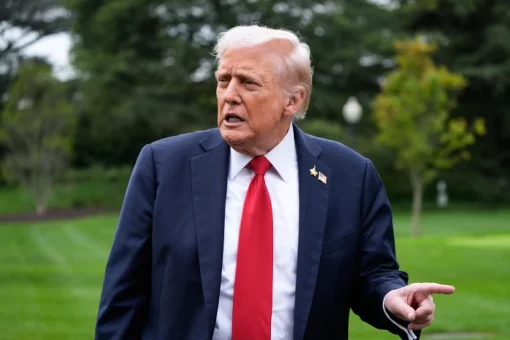
Sunday evening, Trump escalated further. In a Truth Social post, he accused unspecified “fake news media” of working with Iran to spread AI-generated images of a burning U.S. aircraft carrier and said they should be charged with treason.
Iranian state media had falsely claimed its military struck the carrier. But the assertion was not widely reported by Western outlets, several of which instead published accounts debunking the videos showing the ship on fire as fake.
Trump’s reference to treason — a charge carrying a maximum penalty of death under U.S. law — took his threats against the media to a new level.
Treasury Secretary Scott Bessent told CNBC that mainstream media reporting of the war reflected “a dislike for President Trump”.
White House spokeswoman Olivia Wales defended the president: “President Trump is right. Many in the media are working overtime to discredit President Trump, his Administration, and the United States military while carrying water for a regime that has killed Americans for nearly 50 years. This is a complete disgrace”.
The Constitutional Backdrop
Jameel Jaffer, executive director of the Knight First Amendment Institute at Columbia University, said the president’s recent rhetoric was an intensification of a “long-running effort to bring news organizations into closer alignment with his own political and ideological agenda”.
“President Trump is free to criticize news coverage he thinks is inaccurate or unfair, but the First Amendment gives news organizations the right to decide for themselves what to report, and how to report it,” Jaffer said. “This is constitutional bedrock, if anything is”.
The Industry’s Vulnerability
Jeanette Hoffman, a Republican consultant, said the administration has had some success exerting influence over media outlets. She pointed to Paramount’s decision to pay $16 million to settle a lawsuit filed by Trump claiming that CBS News deceptively edited an interview with his 2024 presidential rival, former Vice President Kamala Harris.
“A lot of these companies are vulnerable to government threats when mergers and pending deals are on the line with the FCC — as in the case of CNN — so you may see some rethink their coverage and reporting strategies,” Hoffman said.
Jason Roe, a Republican political strategist who has been critical of Trump at times, said if the war is resolved relatively quickly and viewed as successful, Trump’s latest comments bashing the press will likely be seen as “one more blip in the rhetorical excesses of Donald Trump” that in the end probably won’t “have any lasting impact”.
The Numbers Behind the Rhetoric
The administration’s media offensive comes against a backdrop of an unpopular war.
Only one in four Americans approves of the February strikes that launched the conflict, according to a March 1 Reuters/Ipsos poll. About half — including one in four Republicans — believe Trump is too willing to use military force.
At least 13 U.S. service members have died. Thousands of Iranians are dead. The Strait of Hormuz is effectively closed. Global oil markets are in turmoil.
And the president’s message to the press is clear: don’t cover any of that.