
The Venezuela-based gang Tren de Aragua, a major focus of President Donald Trump’s immigration enforcement agenda, had its alleged leader killed in an operation involving the U.S. military and Venezuelan authorities, Trump said Friday.
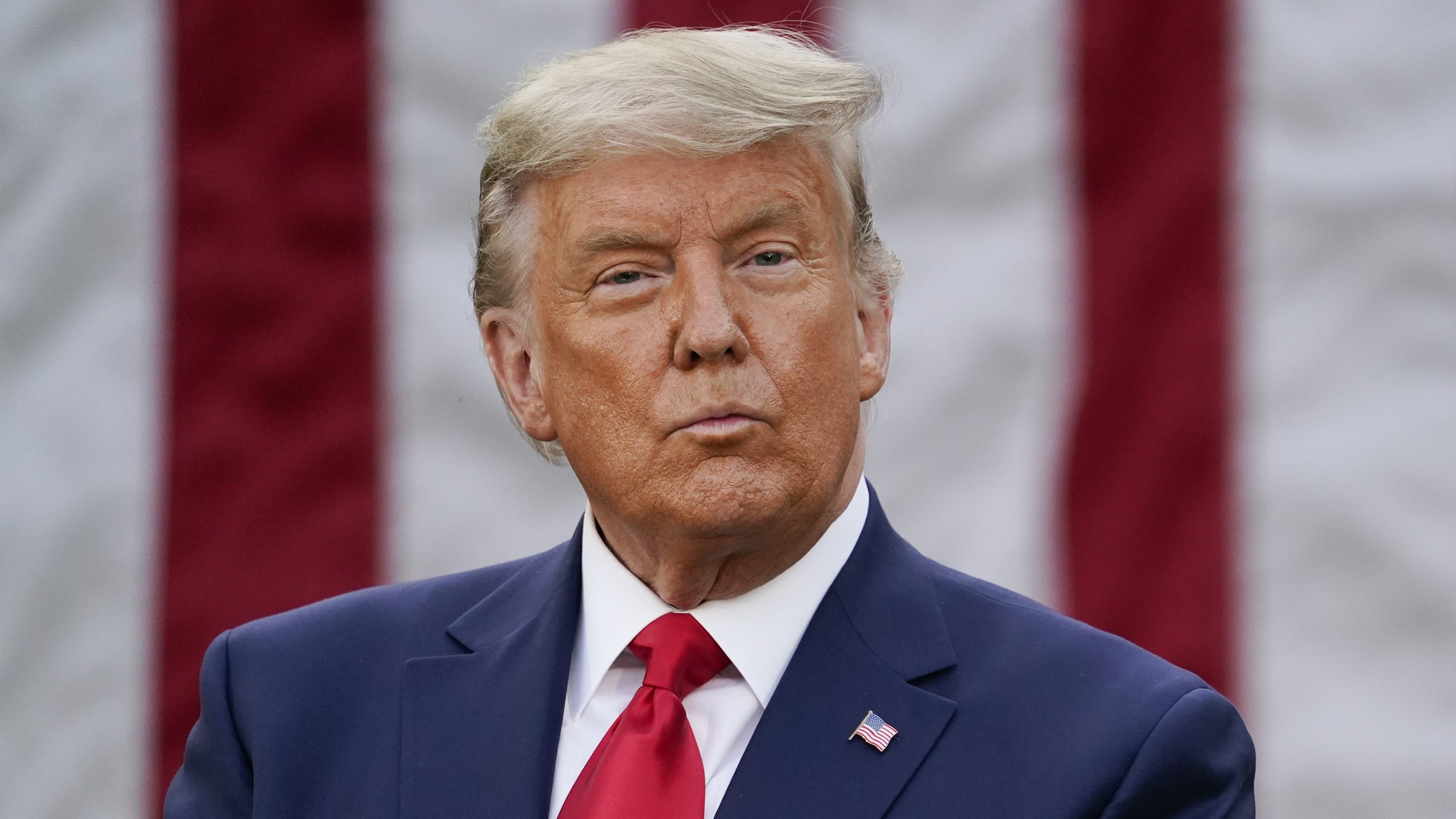
In a post on Truth, Trump wrote, “At my direction, the United States Southern Command delivered a swift and lethal kinetic strike to successfully execute Niño Guerrero, the infamous leader of Tren De Aragua, one of the most bloodthirsty Terrorist Organizations on Planet Earth.”
The Venezuelan government described the strike in a statement as a “joint operation between Venezuelan and United States security agencies in the southeastern Bolívar state.”
It added: “During the operation, clashes occurred with members of these criminal groups, resulting in the neutralization of Héctor Rusthenford Guerrero Flores—alias “Niño Guerrero”—the leader of a criminal organization.”
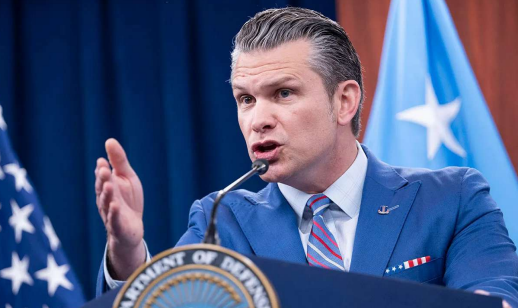
On Friday, Defense Secretary Pete Hegseth stated that U.S. forces conducted a strike on a Tren de Aragua facility in Venezuela during the operation.
Tren de Aragua was rapidly designated a priority target under President Donald Trump’s immigration enforcement strategy after he returned to office in 2025, placing the gang at the heart of his deportation agenda. In February 2025, the U.S. State Department formally classified the group as a foreign terrorist organization.
Guerrero Flores was indicted in December by U.S. authorities on charges of racketeering conspiracy and providing support to terrorists, along with other alleged offenses. The State Department also announced a $5 million reward for information leading to his arrest or conviction.
In December, federal prosecutors described him as “the mastermind of Tren de Aragua’s evolution from a Venezuelan prison gang into a transnational terrorist organization.”
The U.S. government imposed sanctions in July on him and five other alleged members and affiliates of Tren de Aragua, accusing them of participating in various criminal activities, including drug trafficking, human smuggling and trafficking, and money laundering.
On Friday, Trump described the U.S. strike as the realization of a major pledge he made during his immigration-focused campaign.
“During my Campaign, I pledged to expel these monsters from our Country, and bring Justice to the families of those they slaughtered. With this action, the United States Military has brought retribution for them, their families, and their loved ones,” the president wrote.
Trump also emphasized cooperation with Venezuelan forces during the operation, saying on Friday that it “was coordinated closely with our friends in Venezuela, with whom we are working very well.”
Hegseth also highlighted the relationship between the United States and Venezuela in a post he shared on Friday.
“The operation underscores the shared U.S. and Venezuelan commitment to take the fight to narco-terrorists and deny them any safe haven in our hemisphere,” Hegseth wrote on X.
In January, relations between the United States and Venezuela shifted significantly following the arrest and removal of former Venezuelan President Nicolás Maduro.
Maduro is currently in federal detention in New York, where he is facing charges including narco-terrorism, conspiracy to import cocaine, and possession of machine guns and destructive devices. He has entered a not guilty plea to all counts.
The Trump administration’s campaign against “narcoterrorists” has involved U.S. military strikes on dozens of suspected drug-trafficking boats in the eastern Pacific Ocean and the Caribbean Sea since September, resulting in at least 207 deaths, without the government presenting evidence of drug smuggling.