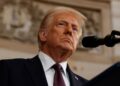

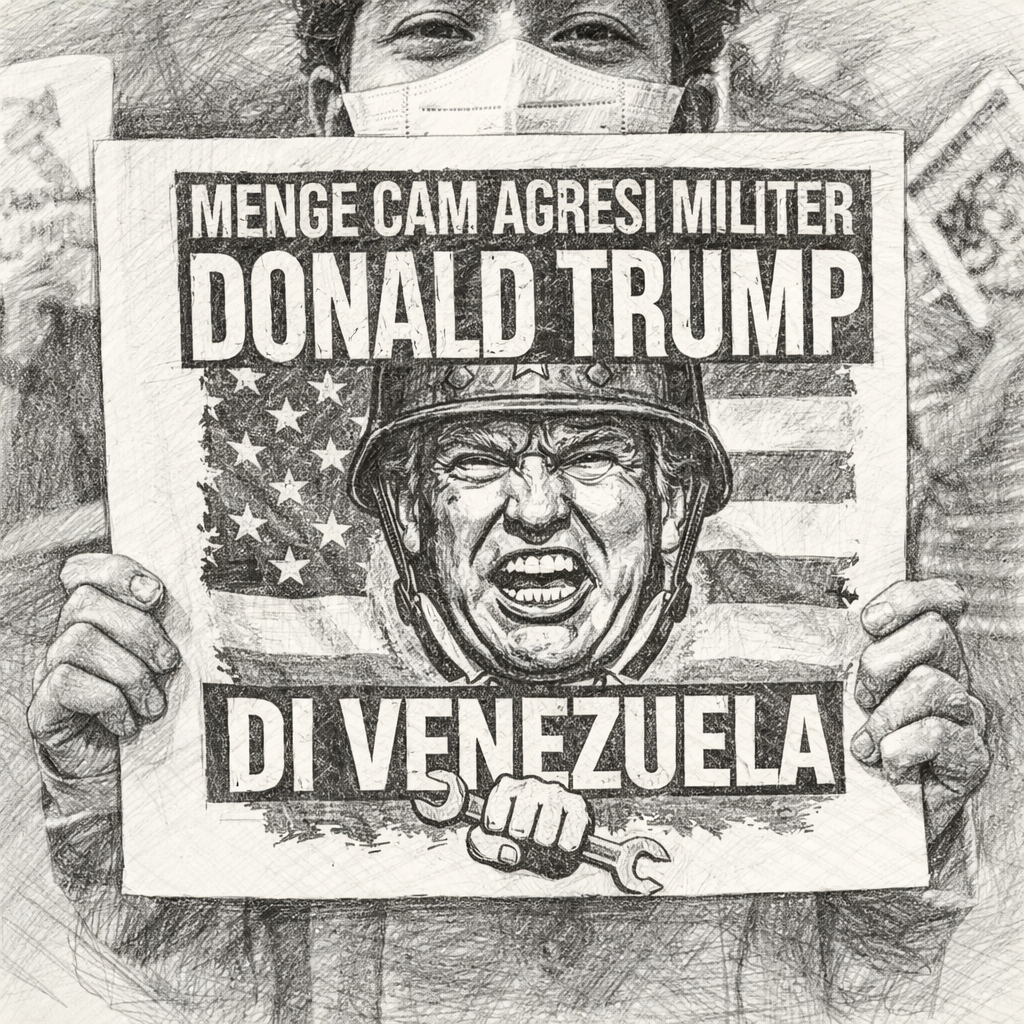
U.S. President Donald Trump is set to meet Venezuelan opposition leader María Corina Machado on Thursday in Washington, the White House confirmed on Monday. The meeting comes at a tense moment in Venezuela’s political crisis and highlights the growing involvement of the United States in the country’s future leadership.
This encounter reveals more than just a diplomatic courtesy. It shines a light on the United States’ shifting strategy toward Venezuela and raises questions about how much influence Washington will wield in deciding that nation’s next chapter.
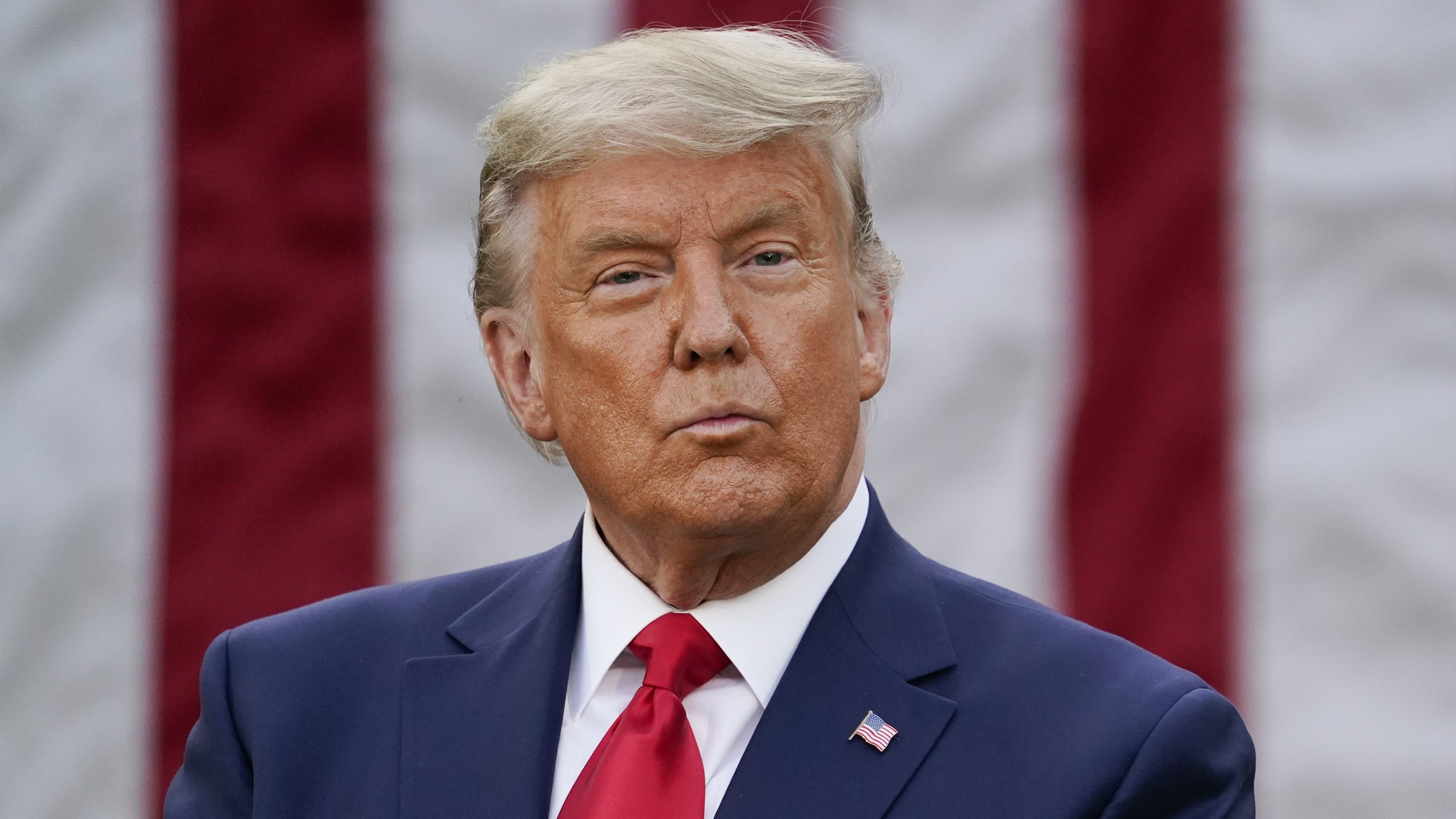
Arrival of a controversial figure
María Corina Machado is one of the most prominent voices against Venezuela’s former president Nicolás Maduro and has become a symbol of resistance for many Venezuelans. She won the 2025 Nobel Peace Prize for her efforts to push for democratic change in her country.
Despite that honour, her relationship with Trump’s team has been complicated. Trump previously said Machado did not have enough support or “respect” within Venezuela to lead the country after Maduro’s ouster, showing a divide between political praise and real political backing.
Now they are meeting face to face, a signal that the U.S. may be preparing to involve her more directly in discussions about Venezuela’s future or at least to hear her views on what comes next.
A Trip Shaped by Global Attention
Machado’s visit to the United States follows a series of notable appearances abroad. She met Pope Leo XIV at the Vatican earlier this week, asking the Holy See to support the release of political prisoners and push for a peaceful transition in Venezuela.
She has not been in regular contact with Trump since October, when she last spoke to him the same day she won her Nobel Prize. Since then, her international profile has grown even as she remains outside Venezuela.
Her choice to dedicate her Nobel Prize to Trump and even suggest she would share it with him became a talking point in Washington, though Nobel officials quickly reminded the public the award cannot be shared or transferred.
What the Meeting Could Signal
The U.S. military mission earlier this month led to the capture of Nicolás Maduro and his wife, a bold and controversial move. Trump’s decision not to back Machado as interim leader at the time raised eyebrows, with the presidency instead supporting Maduro’s vice-president, Delcy Rodríguez, as acting head of state.
Now, Trump and Machado meeting in Washington suggests the U.S. may be recalibrating its approach. It could signal a willingness to discuss democracy and governance with the Venezuelan opposition more seriously, or at least to use her voice as part of broader U.S. policy in the region.
Trump meeting Venezuela’s Rebel Voice hints at both opportunity and risk. Machado is popular with many Venezuelans abroad and respected in some international human rights circles, but her influence inside Venezuela remains unclear.
By welcoming her to Washington, the U.S. may be sending a message: it values voices pushing for democratic reform. But it also risks deepening divisions if this encounter is seen as Washington choosing sides too overtly in a fragile situation.