A U.S. federal appeals court on Wednesday turned down President Donald Trump’s request to have his name restored to the Kennedy Center while he continues to challenge a lower court ruling that removed it from the Washington performing arts venue in June.
In its decision, a three-judge panel said Trump and the Kennedy Center’s board failed to demonstrate that they would suffer “irreparable injury” if his name remained removed while the legal dispute continues.
The appellate court said restoring Trump’s name would not prevent the alleged harm because the removal had already taken place.
“Since that removal has already occurred … a stay would not avert those harms (even assuming they would qualify as irreparable),” the three-judge panel of the U.S. Court of Appeals for the District of Columbia Circuit stated in its ruling.
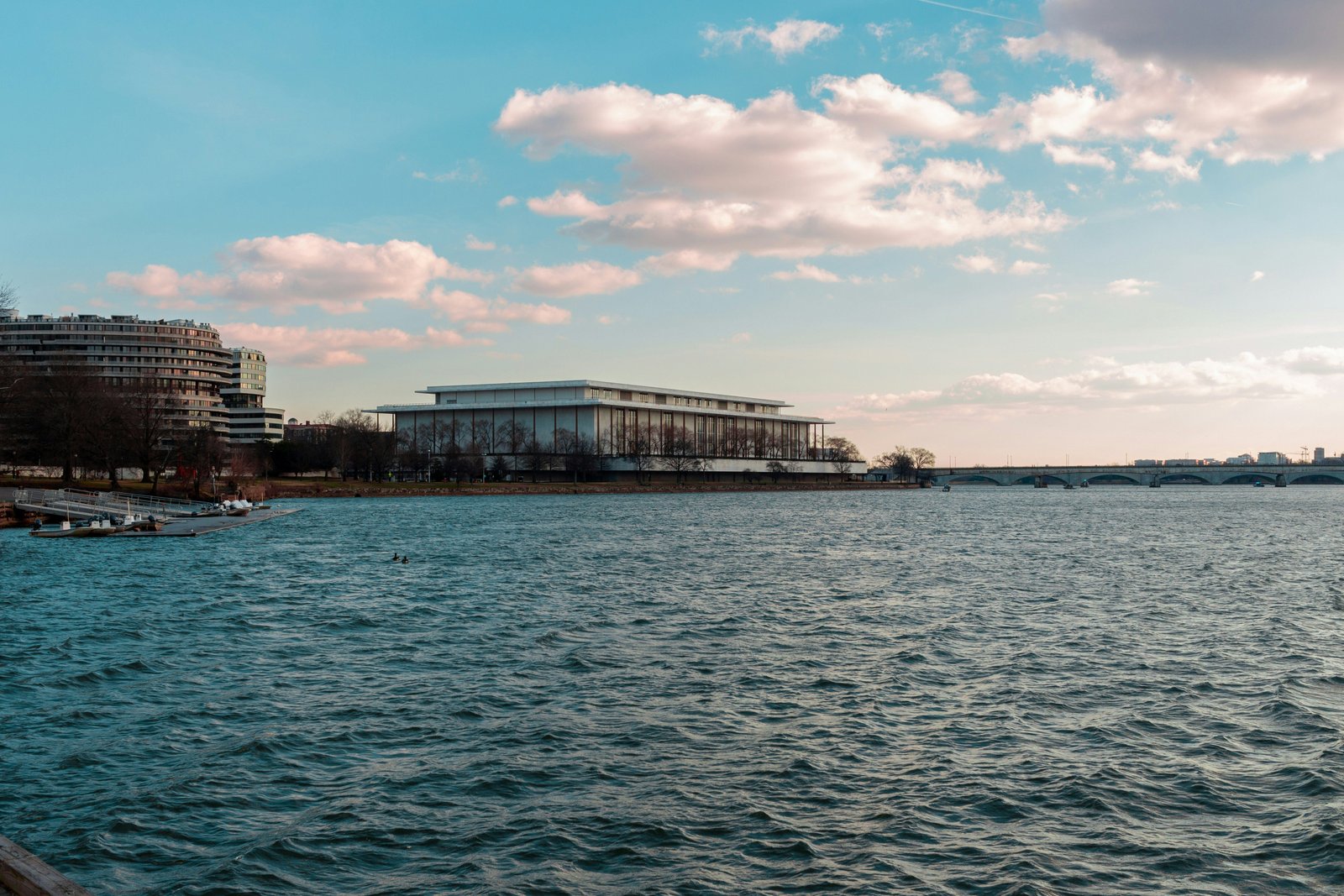
The judges also held that Trump and the Kennedy Centre’s board failed to present “specific facts and evidence” showing that the centre’s fundraising efforts would suffer if his name remained off the landmark.
The panel also dismissed claims by Trump and the Kennedy Center’s board that a newly established organisation, “The Trump Kennedy Center for the Performing Arts Foundation,” would be unable to raise funds or would have to refund donations and pledged contributions if the “Trump” name was not restored to the Kennedy Center’s façade.
“Appellants never raised that factual contention in district court, and they have given no explanation for failing to do so,” the panel said. “Such a post hoc argument cannot demonstrate an abuse of discretion by the district court.”
The ruling means Trump’s name will remain absent from the Kennedy Center while his appeal against a federal district court order is being considered. The U.S. Court of Appeals for the District of Columbia Circuit is also set to hear his challenge to the May 29 ruling directing that his name be removed from the performing arts centre.
The three-member appeals panel included Judge Gregory Katsas, who was appointed by Trump, alongside Judges Patricia Millett and Robert Wilkins, both appointed by former President Barack Obama.
The same panel had earlier, on June 12, declined Trump’s request for an administrative stay that would have temporarily halted the removal of his name from the Kennedy Center’s façade while the court considered the case. The request was denied, allowing officials to comply with District Judge Christopher Cooper’s May 29 order that same night.
“Congress gave the Kennedy Center its name, and only Congress can change it,” Cooper had said in that order, noting that Congress had not authorized such a change.
“The Kennedy Center’s organic statute makes crystal clear that the Center is to be named for President [John] Kennedy, and it cannot bear any other formal name or public memorial based on the Board’s unilateral say-so,” Cooper wrote.
Following the court-ordered removal of Trump’s name, the Kennedy Center has kept a tarp over the section of its façade where the name was displayed.
The board had approved the addition of Trump’s name in December, about 10 months after he dismissed several trustees, appointed himself to the board, and assumed the role of its chairman.
Shortly afterwards, Joyce Beatty, a Democratic lawmaker from Ohio, filed a lawsuit against Trump seeking the removal of his name from the Kennedy Center. Beatty serves on the Kennedy Center’s board in an ex officio capacity.
Beatty, in a statement on Wednesday’s decision by the appeals court, said, “Today’s ruling again affirms that this administration’s efforts to rename the Kennedy Center were unlawful.”
“His name no longer desecrates this sacred memorial, which belongs to the American people,” the congresswoman said. “Now it is time for the Trump administration to accept this, comply with the law, and take the tarps down.”