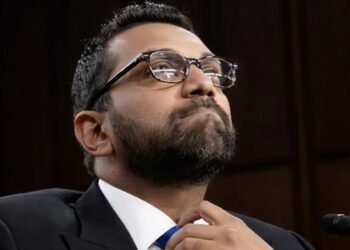
Friction has flared again between two of the most powerful figures in American politics and tech as Trump warns Elon Musk after ‘I’m not MAGA’ remarks, following the billionaire’s blunt effort to distance himself from the conservative movement after bruising Republican midterm losses.
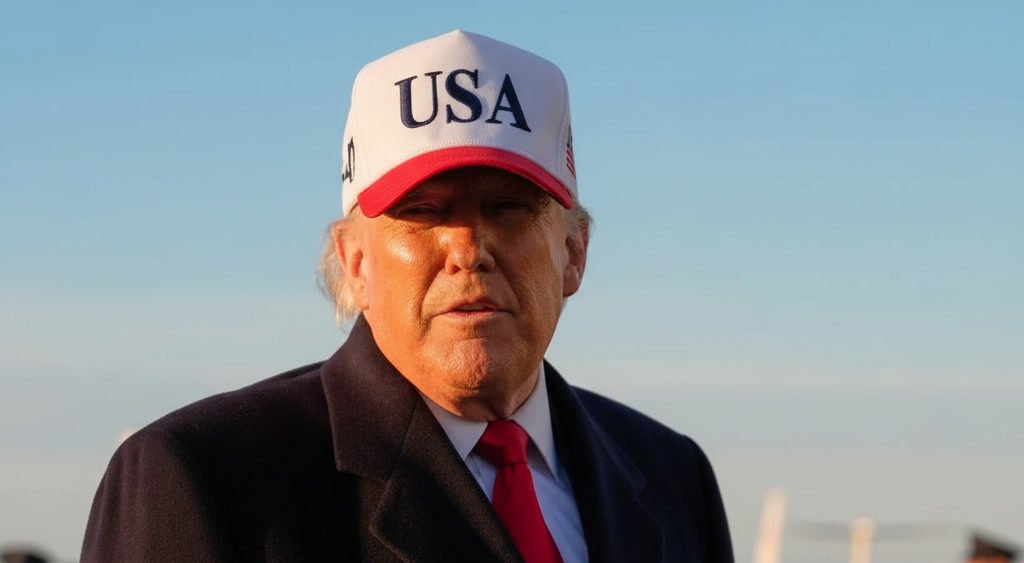
Speaking by phone with NBC News on Thursday, the day his trip to Asia wrapped up, President Donald Trump called Musk a friend with “very good intentions” and noted that Musk had traveled with him on the trip, yet issued a pointed caution that when people “veer” from MAGA, “they don’t do very well”. The warning came a day after Musk told The New York Times DealBook Summit that he is “not MAGA,” criticized blind adherence to Republican Party policies, and admitted he felt “pretty foolish” about pouring hundreds of millions of dollars into the 2026 midterm elections.
Midterm Buyer’s Remorse and a Sharp Political U-Turn
Musk’s remarks marked a dramatic pivot from the 2024 campaign, when he famously dubbed himself “dark, gothic MAGA” and early 2025, when he campaigned aggressively for Trump and helped lead government cost-cutting efforts before clashing with the president mid-year and later reconciling. Having spent roughly $458 million backing Republicans in the 2026 cycle only to see Democrats sweep control of both the House and Senate, Musk signaled buyer’s remorse.
Musk told the DealBook audience that while both parties have positives and negatives, he is “not MAGA” and rejects rigid loyalty to a set of party policies. Conceding he would spend less if he could rewind the clock, Musk said elections are not decided solely by money, even as Democrats brushed off his shift and warned that congressional subpoenas still await him.
A Fragile Alliance Under Pressure
Trump’s measured yet firm response reflects the complicated dynamic between the two men. Trump still values Musk’s profile and past alignment, while guarding the identity of his political base after a painful midterm defeat. At the same time, Trump’s broader remark warning tech titans against breaking too hard from his movement shows how fragile alliances between billionaires and politicians can become once election results disappoint. For now, as Trump warns Elon Musk, both sides are testing how much distance Musk can put between himself and the movement without losing political leverage.
My View
Watching a billionaire spend nearly half a billion dollars trying to shape an election, only to complain afterward that he feels “foolish” exposes how transactional big-money politics has become.
When wealthy executives jump into political movements during high-stakes campaigns, they often treat politics like a venture capital bet with instant returns guaranteed. Once the scoreboard turns red on election night, sudden reinventions and public distancing act like damage control rather than principled conviction.
Voters and democratic institutions are far healthier when leaders and business figures answer to public accountability and real policy outcomes, not when political influence is treated like a luxury car you can park the moment the ride gets bumpy.