
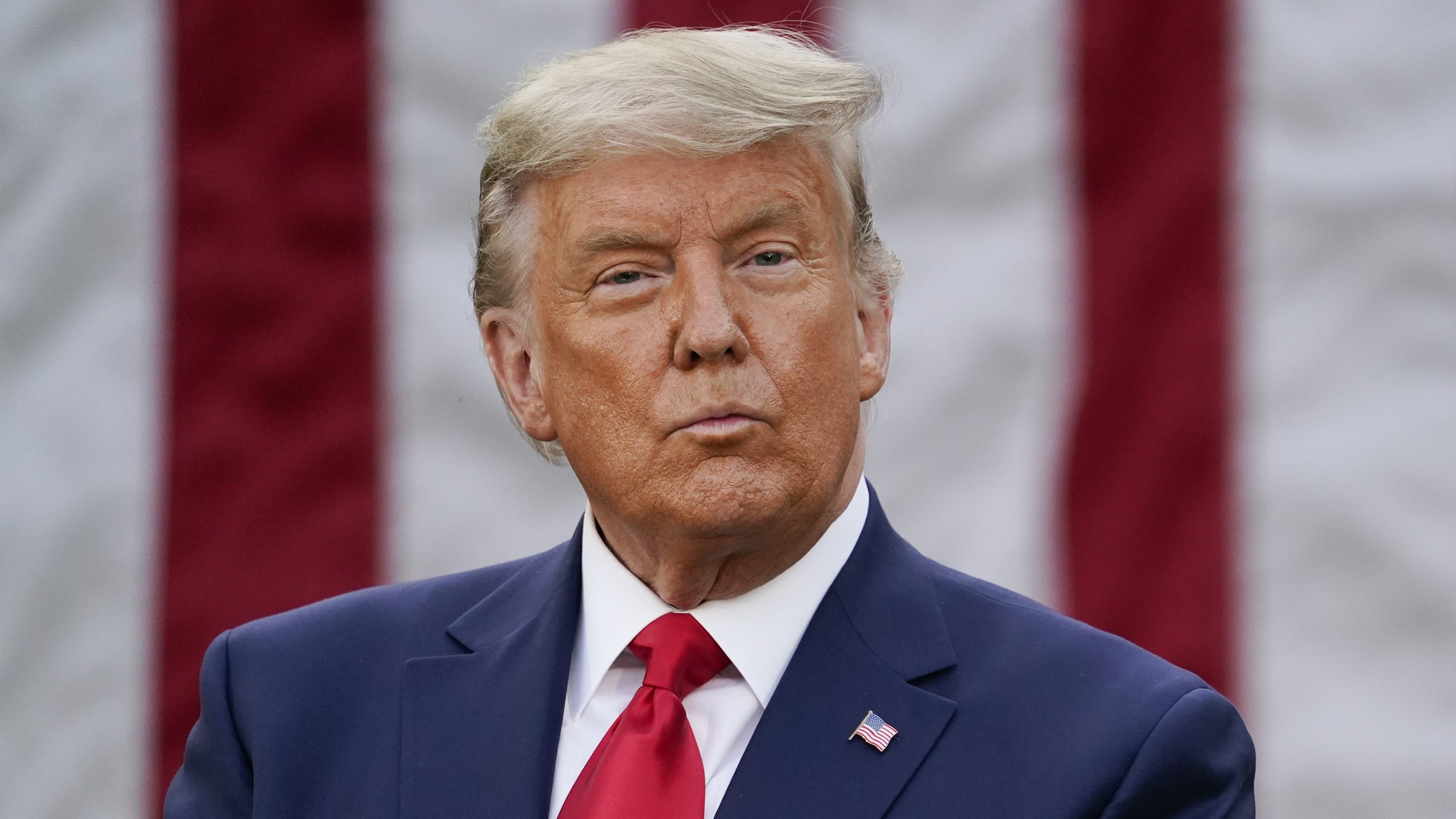
In an act of legal rebuke, a federal judge has blocked President Donald Trump’s continued control of the National Guard in Los Angeles, ordering the troops returned to state control and accusing the administration of attempting to create a “national police force” of state troops.
U.S. District Judge Charles Breyer’s ruling on Wednesday represents a major setback for the President’s strategy of deploying state guard units to cities he claims are failing to maintain order. The judge dismissed the administration’s justification for keeping the troops federalized six months after they were first sent to Los Angeles, calling the legal argument an unconstitutional demand for a “blank check” of power.
A Ruling Rooted in a “System of Checks and Balances”
The conflict began in June when Trump federalized and deployed thousands of California National Guard troops to Los Angeles following protests against aggressive immigration raids. California Governor Gavin Newsom sued, but an appeals court initially sided with the administration, citing the ongoing civil unrest.

In a new lawsuit filed in November, Newsom argued the crisis had passed, and the prolonged federal occupation was no longer necessary. Judge Breyer agreed, writing pointedly, “The Founders designed our government to be a system of checks and balances. Defendants, however, make clear that the only check they want is a blank one.”
The judge rejected the administration’s claim that courts should not second-guess a president’s emergency use of the Guard, stating bluntly that the administration had not proven that current conditions in Los Angeles justified stripping control from the state.
From “Crises Come and Go” to a “National Police Force”
In a hearing last week, Justice Department lawyers argued the troops must stay because federal immigration agents in the city were still being targeted. Judge Breyer was openly skeptical, noting, “I think experience teaches us that crises come and crises go.”
His final ruling went further, warning of a dangerous precedent. By maintaining control of California’s troops and even deploying them to other states, the Trump administration was “effectively creating a national police force made up of state troops,” Breyer wrote. He had previously ruled the initial summer deployment itself was illegal.
Why It Matters
The LA blockade is part of a nationwide pattern of judicial pushback. Trump has deployed the Guard to several Democratic-led cities—including Portland and Washington, D.C.—ostensibly to “quell violence” and support immigration enforcement. Each deployment has sparked fierce legal challenges from state and local officials.
Judge Breyer stayed his order until December 15, giving the administration time to appeal. The ruling sets the stage for a higher-stakes appellate showdown over the limits of presidential power versus states’ rights.
For now, the judge has drawn a line. The prolonged military occupation of an American city, he ruled, cannot stand on the vague, perpetual specter of a crisis that has already passed. The check, he declared, will not be blank.