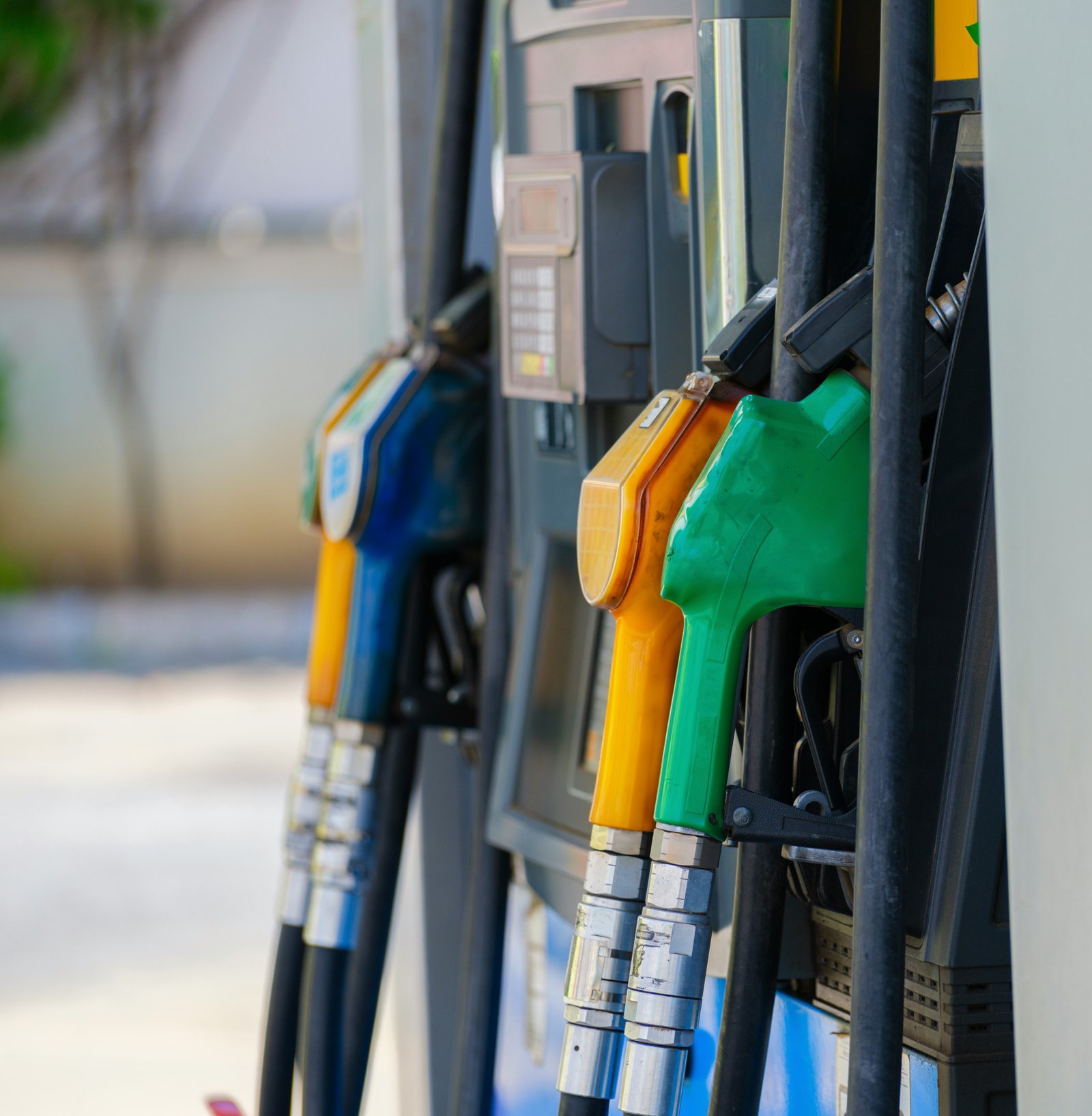

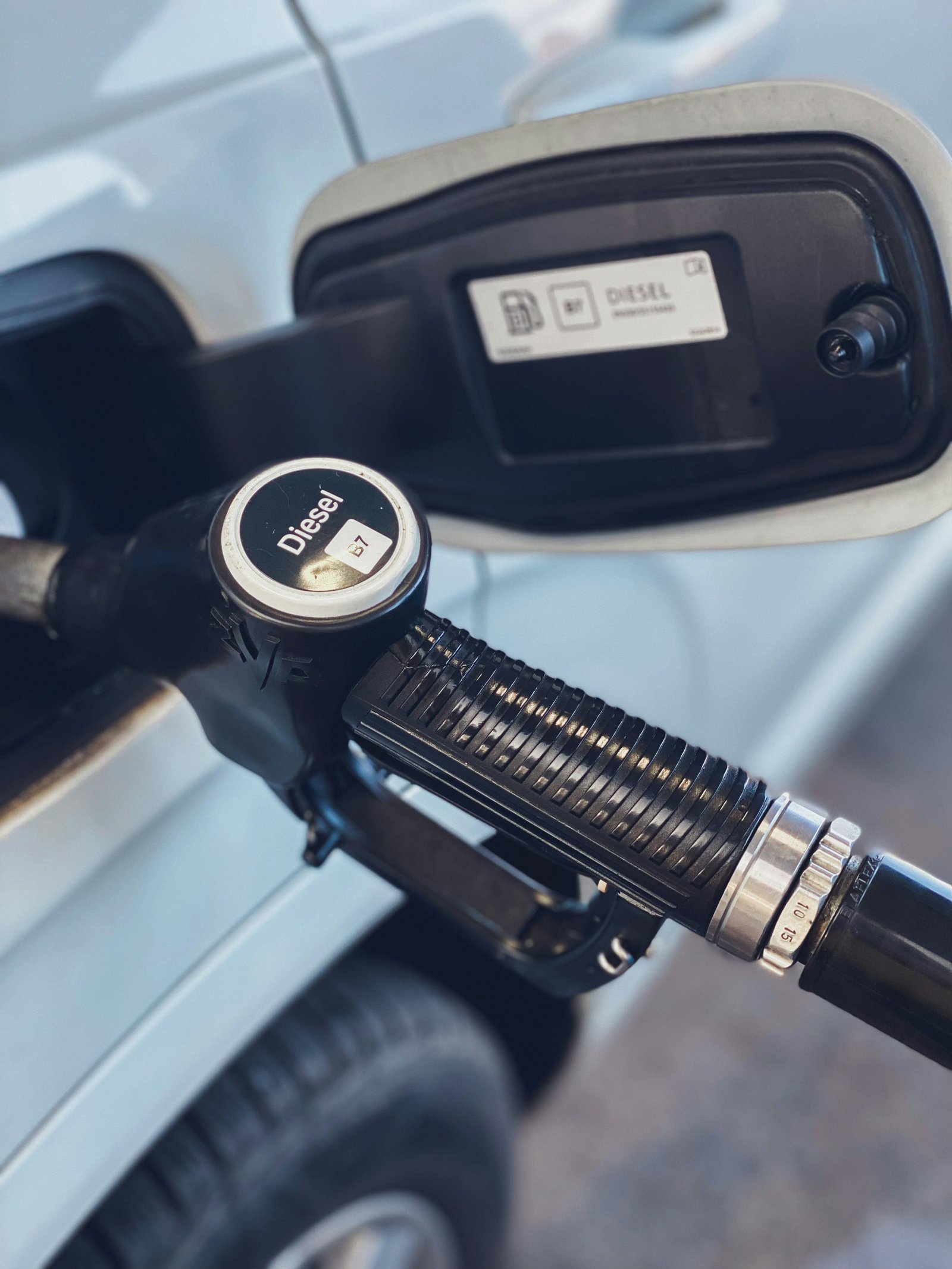
Rising U.S. diesel prices are creating fresh friction between the U.S. and its European partners as both sides search for ways to cushion the blow of the global fuel scarcity. With domestic prices soaring roughly 70% since late February to cross $6.38 a gallon, American officials are publicly urging European nations to tap into their national emergency stockpiles. The goal is to pour extra supply into global markets before the upcoming midterm elections. However, European leaders are holding off on firm promises, cautious about drawing down their own reserves while the White House openly debates a potential ban on U.S. fuel exports.
Pressure Mounts on Allies Amid Global Diesel Shortages
The push to release emergency stockpiles reached high levels this week across several government channels. Treasury Secretary Scott Bessent took to social media to state that European allies need to act quickly so that American truckers, farmers, and small businesses do not bear the brunt of a widespread fuel crunch. Shortly after, President Donald Trump confirmed that the U.S. might formally ask European governments to release a portion of their reserves.
While U.S. Energy Secretary Chris Wright expressed confidence early in the week that an agreement was imminent, European officials have offered far more guarded responses. In Brussels, European Commission spokesperson Anna-Kaisa Itkonen confirmed that high-level discussions are taking place with the U.S. administration, but emphasized that decisions remain under careful review with individual member states. The bulk of Europe’s emergency diesel reserves are held in Germany and France, where local leadership remains wary of tapping strategic safety nets without a clear long-term policy in place.
Refinery Strains and Policy Contradictions in Energy Markets
The current pressure on global energy markets comes from supply disruptions across several continents. While military conflict in the Middle East has driven up general crude oil prices, diesel has outpaced other refined products due to heavy infrastructure losses. Ukraine’s drone strikes on Russian refineries earlier this summer severely damaged production capacity, prompting Moscow to enact an export ban on diesel through the end of October. Combined with reduced shipments out of Asia, global refiners are operating at near-maximum output without fully meeting demand.
Adding to the tension is a policy conflict within the U.S. itself. At the same time, U.S. officials are asking European allies to release reserves to help global buyers; President Trump acknowledged he is considering an internal ban on U.S. diesel exports to protect domestic supplies. Cabinet officials like Interior Secretary Doug Burgum and Energy Secretary Chris Wright have warned that restricting U.S. exports could inadvertently destabilize allied economies in Europe while driving up the costs of other imported goods at home.
Opinion
The current disagreement over emergency diesel reserves shows a fundamental mismatch in how the U.S. and Europe approach energy security during international crises.
From the perspective of the U.S., getting European allies to release diesel into global markets offers a quick way to lower pump prices for American consumers without consuming U.S. strategic assets right before an election season. However, asking European nations to draw down their own safety nets is a tough sell, especially when the White House is openly threatening a U.S. export ban that would cut off European access to American fuel.
If the U.S. wants genuine cooperation, it cannot ask partners to take on supply risks while contemplating trade restrictions that protect only the domestic market. A more realistic path forward requires a unified agreement: if Europe releases part of its emergency reserves, the U.S. must guarantee that its own energy exports remain open and steady. Without that mutual trust, national governments will naturally prioritize their own domestic stockpiles over shared global stability.