
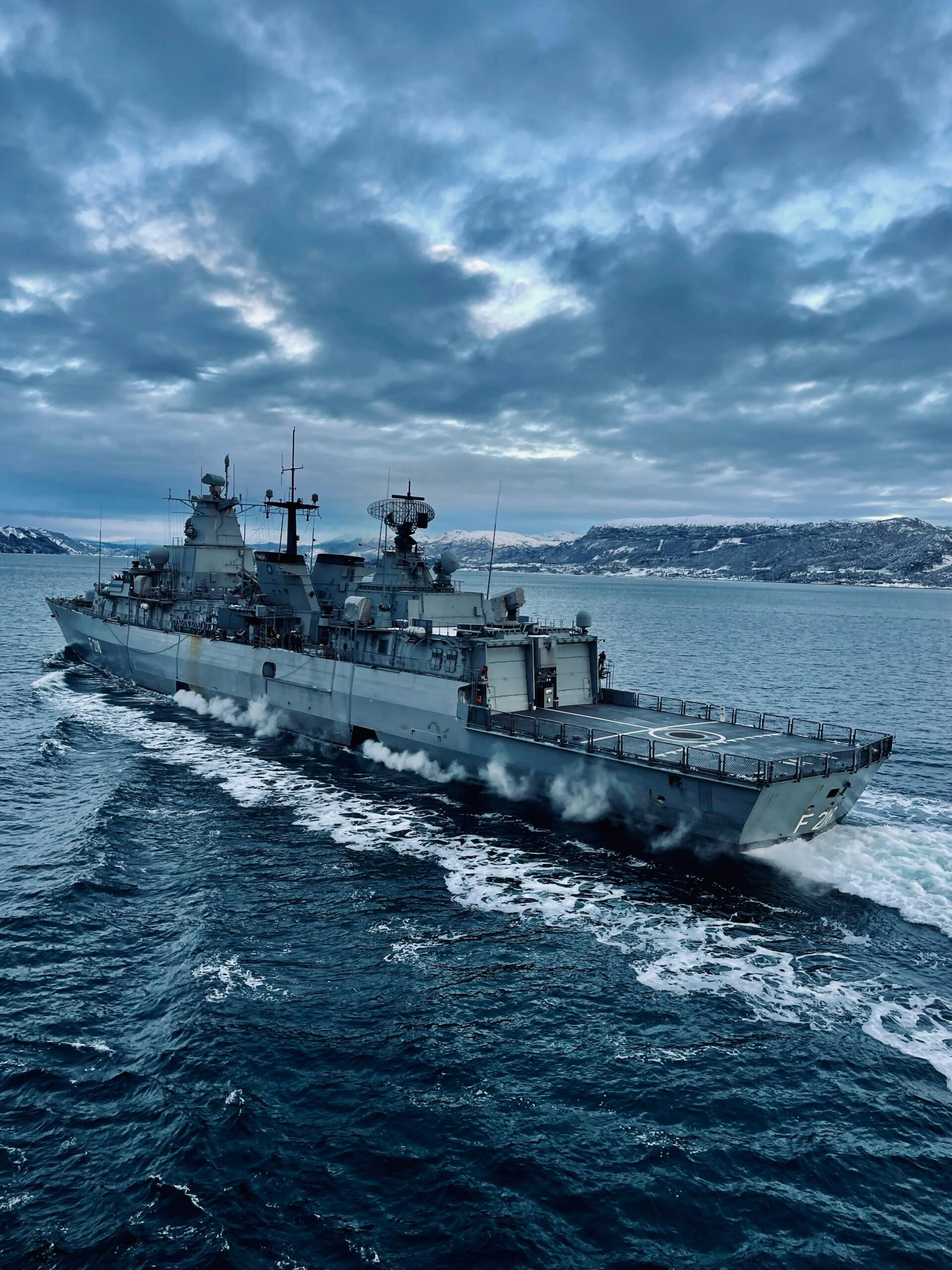
The United States has quietly but clearly taken another step deeper into the Middle East crisis, with little drama and no big speech. A sixth U.S. Navy warship has now entered the region.
The USS Delbert D. Black arrived within the last two days, according to a U.S. official. This brings the number of American destroyers in the Middle East to six. Alongside them are an aircraft carrier and three smaller combat ships. Taken together, this is no routine patrol. It is a message.
A buildup that did not happen overnight
This did not start today. The U.S. has been adding ships, aircraft, and personnel step by step as tensions in the Middle East continue to rise. Each move looks small on its own. Put together, it shows serious concern.
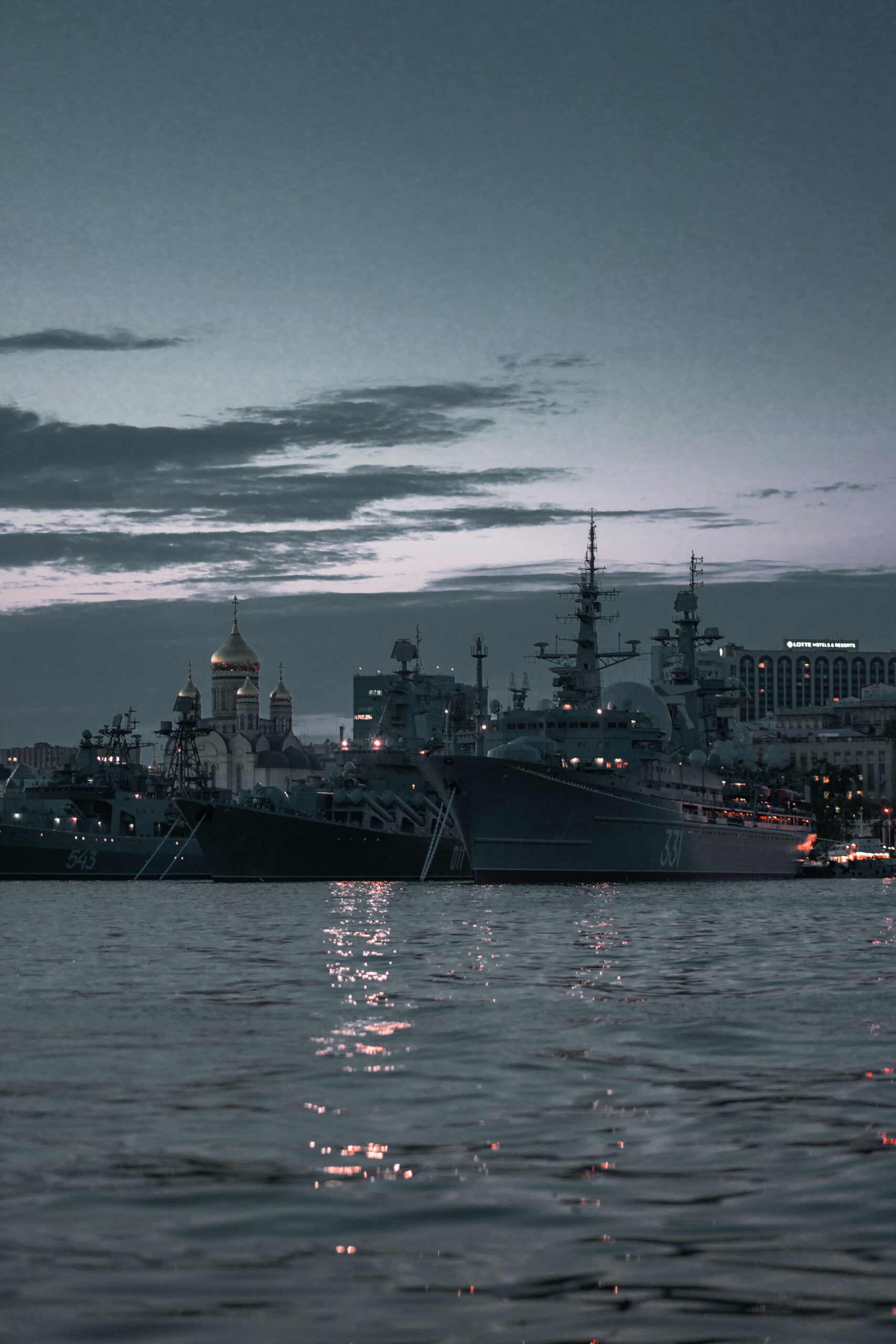
Washington keeps saying this buildup is defensive. The goal, officials say, is to protect U.S. interests, allies, and shipping routes. But defense and warning often look the same from the outside. When warships gather, people pay attention.
The decision to send a sixth destroyer shows that earlier deployments were not enough. Either the risks are growing, or the U.S. believes they will grow very soon.
Why this moment feels different
The Middle East has always had tension. That is not new. What feels different now is the speed and scale of military movement. Six destroyers, one aircraft carrier, and other combat ships in one region is not a light presence.
Destroyers are not just for show. They carry missiles, radar systems, and anti-air defenses. They are built to respond fast. Sending more of them suggests the U.S. wants to be ready for anything, from missile attacks to wider conflict.
It also suggests that diplomacy alone is not trusted to hold the line right now.
Silence from Washington
U.S. officials have kept their words careful and limited. The official who confirmed the warship’s arrival spoke anonymously. That alone tells a story. When governments speak softly during a military buildup, it usually means they are trying not to inflame things further.
But the region itself is already loud. Conflicts overlap, alliances pull in different directions, and small incidents can turn big very fast. In such an environment, even a defensive move can be seen as a threat by others. This is the risk the U.S. is walking into.
Power, presence, and pressure
Once forces are in place, choices become harder to reverse. The presence of so many U.S. ships may deter attacks. It may also raise the stakes if something goes wrong. A single strike, a single misread signal, could pull many actors into a conflict no one fully controls.