

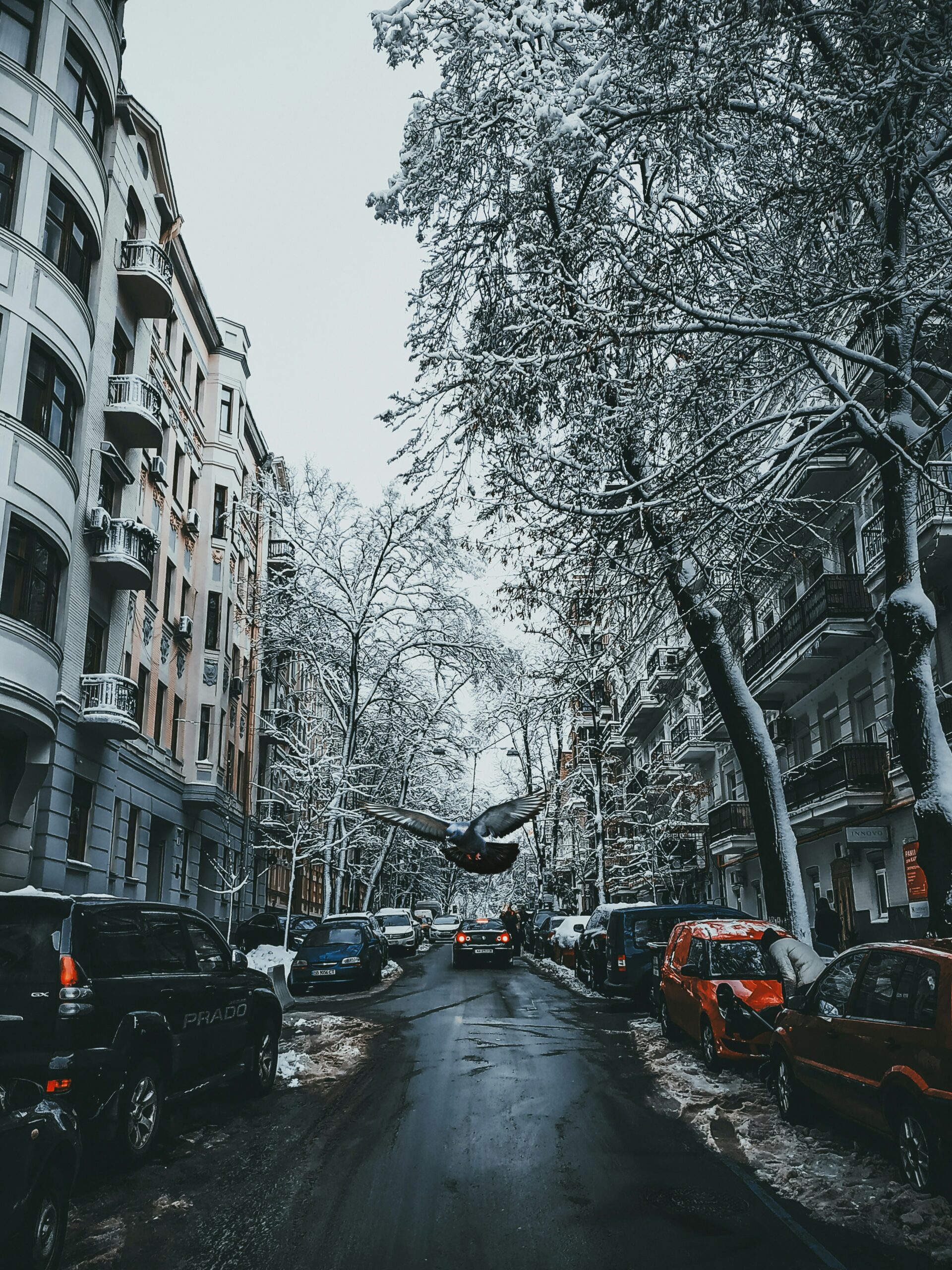
As diplomats prepare to sit around the table again, ordinary Ukrainians are standing in the cold. Ukraine Talks Begin as Winter Breaks the Grid captures a moment where politics and survival collide. Peace talks are set to resume next week, but for many people across the country, the bigger question right now is whether the lights and heat will stay on through one of the harshest winters in years.
Talks Return, Pressure Remains
President Volodymyr Zelenskiy confirmed that new talks involving Ukraine, Russia, and the United States will take place on February 4 and 5. The venue is Abu Dhabi, and expectations are cautious at best.
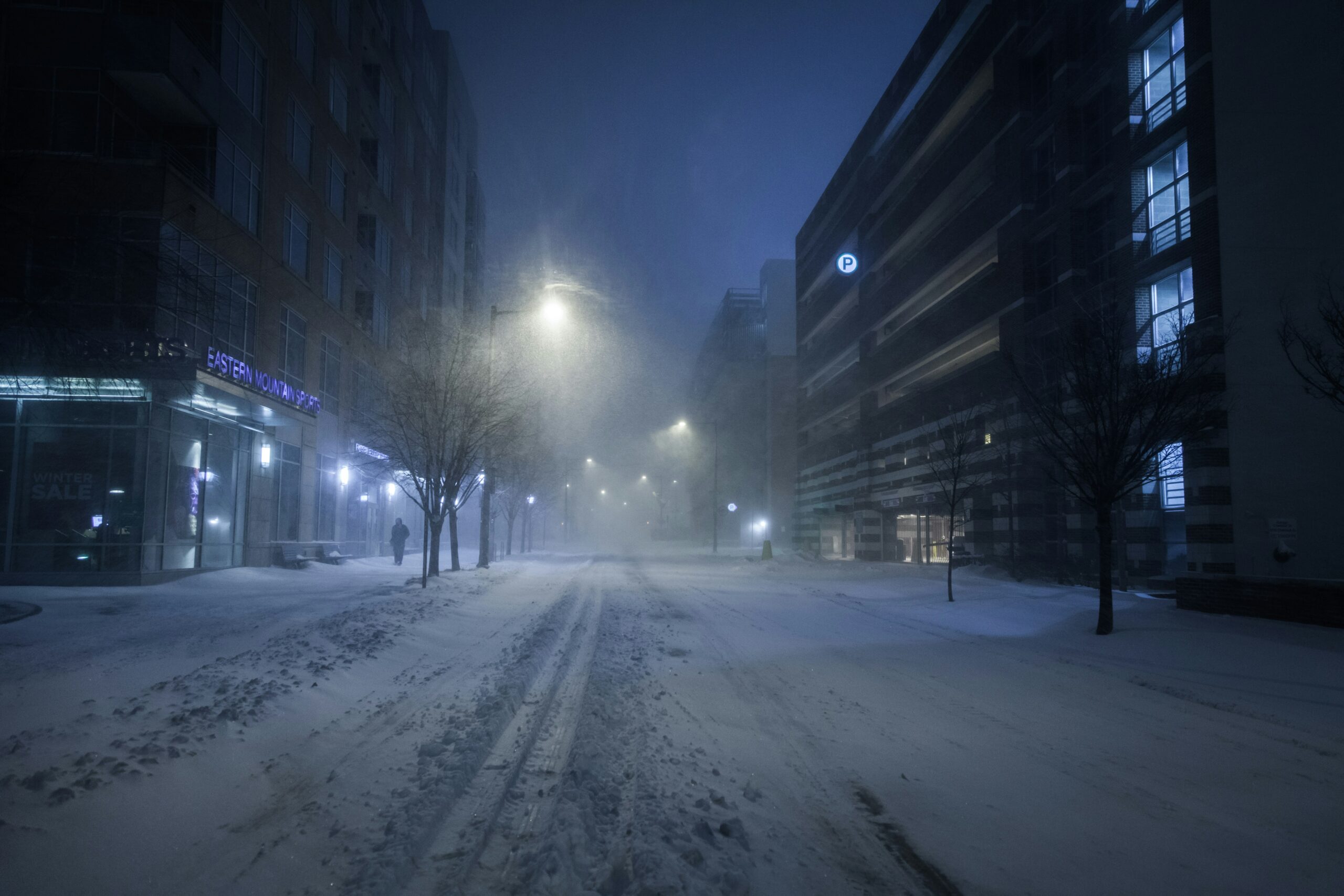
The last round of talks in late January ended without progress on the biggest issue: territory. Russia is still demanding that Ukraine give up more land in the east. Kyiv has made it clear it will not agree to that.
Zelenskiy says Ukraine is ready for serious discussion and wants a dignified end to the war. But behind these words is heavy pressure from the United States for some kind of agreement, as the war approaches its fourth year with no clear end.
Winter Exposes Feep Weaknesses
While leaders talk about peace, winter is exposing how fragile Ukraine’s energy system has become. A new cold snap has pushed temperatures in Kyiv to around minus 15 degrees Celsius, with forecasts of even colder days ahead.
Nearly 700 apartment buildings in the capital were without heating on Sunday. Across the country, a major grid malfunction on Saturday knocked out power and heat for thousands of homes. At its peak, almost 3,500 high-rise buildings in Kyiv were affected.
Officials did not directly blame the outage on Russian attacks, but the connection is hard to ignore. Months of strikes on power stations and infrastructure have left the system weak. When something breaks now, the effects spread fast, even crossing borders into neighbouring Moldova.
A Fragile Pause on Energy Strikes
Russia said it agreed to halt attacks on energy infrastructure until Sunday, following a request from U.S. President Donald Trump. Ukraine said it would do the same, and that the pause was meant to last until the following Friday.
So far, there have been no major reported strikes on energy systems. But the ceasefire feels thin. Zelenskiy accused Russia of continuing air attacks aimed at destroying logistics and connectivity.
For people in cities like Kyiv, Odesa, and Kharkiv, the pause offers little comfort. The damage already done means blackouts and heating failures can happen even without fresh strikes.
Civilians Still Pay The Price
Even as energy sites are spared, civilians are still being hit. In Dnipro, two people were killed when a drone struck a house overnight. In Zaporizhzhia, attacks wounded nine people, including strikes near a maternity hospital and a residential area.
One resident, 29-year-old Daria Makarenko, spoke in anger and tears after her neighbour’s house was damaged. She questioned the logic of avoiding energy targets while people continue to die.
Her words reflect a wider feeling across Ukraine: that talk of restraint means little when homes, hospitals, and lives are still under attack.
Racing Against The Cold
Energy workers are working around the clock to restore power and heating. Private energy firm DTEK said it had restored electricity to 300,000 households in the Odesa region after the grid failure.
Ukraine is also importing record amounts of electricity to keep the system stable. In January alone, imports reached nearly 42 gigawatt hours per day, a sign of how stretched the system has become.
Despite these efforts, the national grid operator has warned that planned outages will continue across the country. With temperatures expected to drop below minus 20 degrees Celsius in Kyiv, the coming days will be brutal.
Many Ukrainians want peace, but few fully trust the process. Anatoliy Veresenko, a 65-year-old war veteran, said he hopes for an end to the fighting but remains realistic.
To him, talks are just talks. Survival still depends on resilience, preparation, and the belief that the country must keep fighting while hoping diplomacy delivers something real.