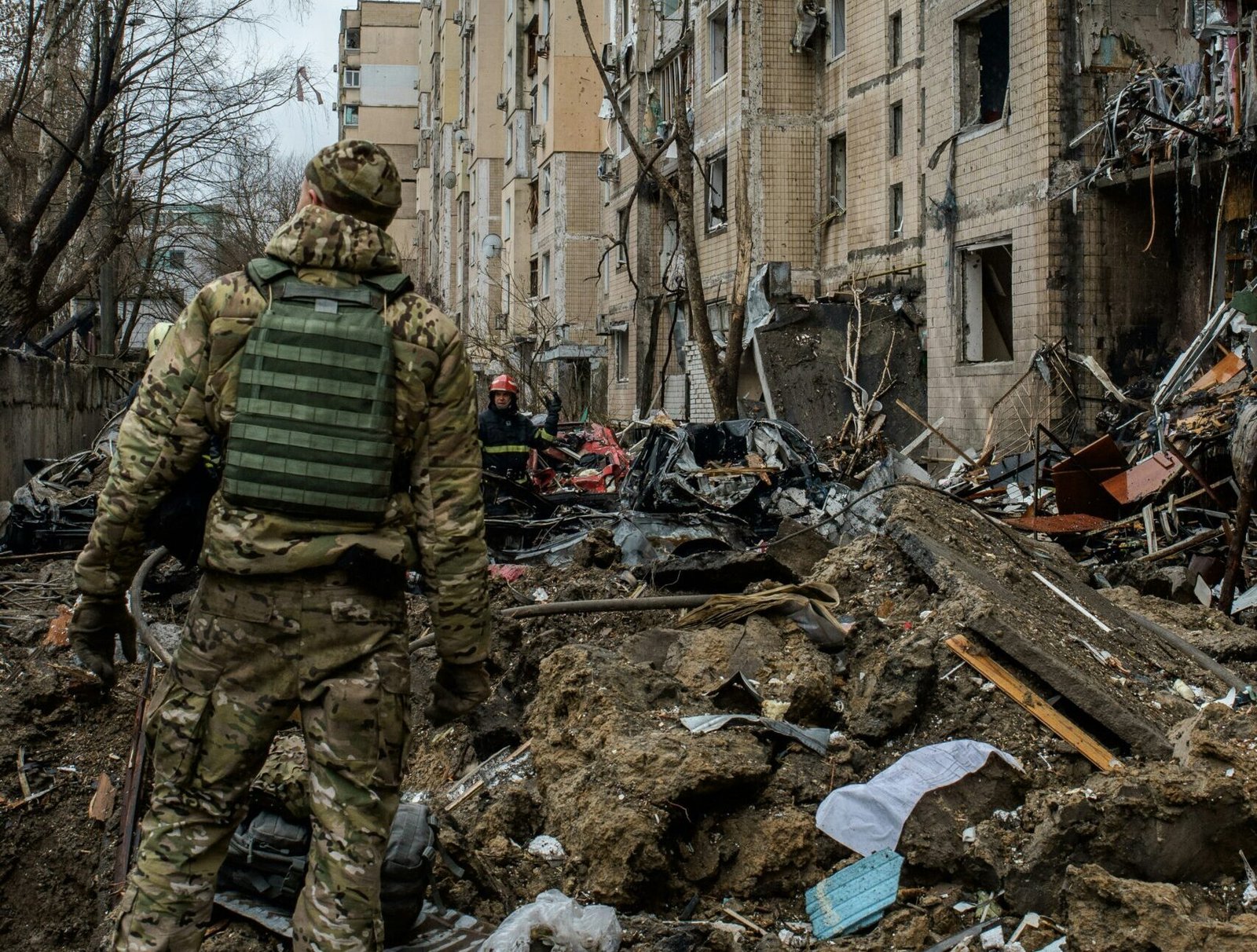

Ukraine’s war effort is undergoing a dramatic shift, with much of its frontline combat now being carried out by unmanned systems, drones, and remotely operated ground robots controlled from underground command centres.
From what looks like gaming-style control rooms, operators—many of them veterans of fierce battles in cities like Avdiivka and Bakhmut—now coordinate strikes remotely. In one operation, six explosive-laden robotic units are directed toward Russian positions while Ukrainian troops remain far from the frontline.
There is “a whirr, a flurry of dust, a pause as the grainy image recalibrates, and then a devastating blast,” as operators watch attacks unfold in real time via drone feeds.
The system has reshaped Ukraine’s tactics amid ongoing manpower shortages and fluctuating Western support. President Volodymyr Zelensky has previously said unmanned systems are now central to battlefield success, including what he described as the first robot-led capture of a Russian position.
One commander described how the system works with brutal efficiency, noting that robotic units—nicknamed “silent death”—can strike before they are even heard. “They can only hear their approach when they are 10 meters away – well within their blast radius.”
Operators say the machines are now replacing traditional infantry roles, with commanders calculating that robot-led assaults can achieve the same results as large troop deployments with far fewer casualties.
“The calculations here are simple: over 164 assaults, the ‘NC13’ unit of the Third Assault Brigade has calculated they would have needed 2,300 troops for the same effect as their robot attackers. They would expect to have lost half their unit – dead or wounded.”
A deputy commander reflecting on earlier frontline combat said: “I couldn’t even imagine such a thing, back then… But I realize that if such equipment had been available at the time… more of my comrades would have survived.”
However, another commander warned that warfare has fundamentally changed. “Back then, war was somehow more, shall we say, masculine… Now, technology decides everything. There is no going back.”
The shift has also created new roles for specialists like Gora, a 22-year-old embedded engineer who helps design and operate battlefield systems.
“The key is not the vehicles, the key is minds and how they plan it… how they connect communication between vehicles, between operators,” she said.
Despite technological gains, challenges remain. Units report frequent electronic interference, with one operator noting: “The Salamander 6 has been spoofed… We’re navigating without GPS.”
Beyond attacks, robots are also being used for logistics, carrying ammunition, food, and supplies to frontline positions under constant threat from Russian drones. Some systems can operate for hours or even days, requiring only ammunition replenishment.
Field accounts also highlight the strain on Ukrainian troops holding defensive positions for extended periods. Two soldiers described spending nearly a year on rotation at the front under constant drone surveillance and shelling.
“The only thing keeping me going was my children and my wife; otherwise, I would have lost my mind long ago,” one soldier said after finally being rotated out.
As both sides adapt to rapidly evolving technology, Ukraine’s battlefield is increasingly defined by machines, remote warfare, and a shrinking role for traditional infantry—reshaping not only how the war is fought, but what combat itself means.