
The United States has criticized Australia’s proposal to give users the ability to opt out of social media algorithms, calling it “censorship of protected speech” — even as President Donald Trump bans major news outlets from the White House.
In a rare submission to the proposed laws, the US embassy in Canberra said it had “serious concerns” and that allowing the government to “enforce vague definitions of ‘harm'” would lead to “viewpoint-based censorship.”
The submission came during Australian Prime Minister Anthony Albanese’s visit to the United States to speak at the UN General Assembly.
The Australian Proposal
Under Australia’s draft digital duty of care laws, tech firms risk hefty fines if they fail to give users the option to turn off algorithms. The legislation would require platforms to protect users younger than 18 from harmful content, including content that promotes eating disorders, misogynistic content, and content that glorifies crime. Platforms found to breach the new regulations would face fines of up to 100 million Australian dollars (about $72.1 million).
“It’s not about giving government control,” Albanese said in New York. “It’s about giving people back control over what they receive on their devices.”
The US submission claimed the proposed laws may risk “reducing the reach of independent journalists or other voices whose content touches on sensitive or controversial topics” if tech firms had to “pre-emptively demote” them.
The White House Ban
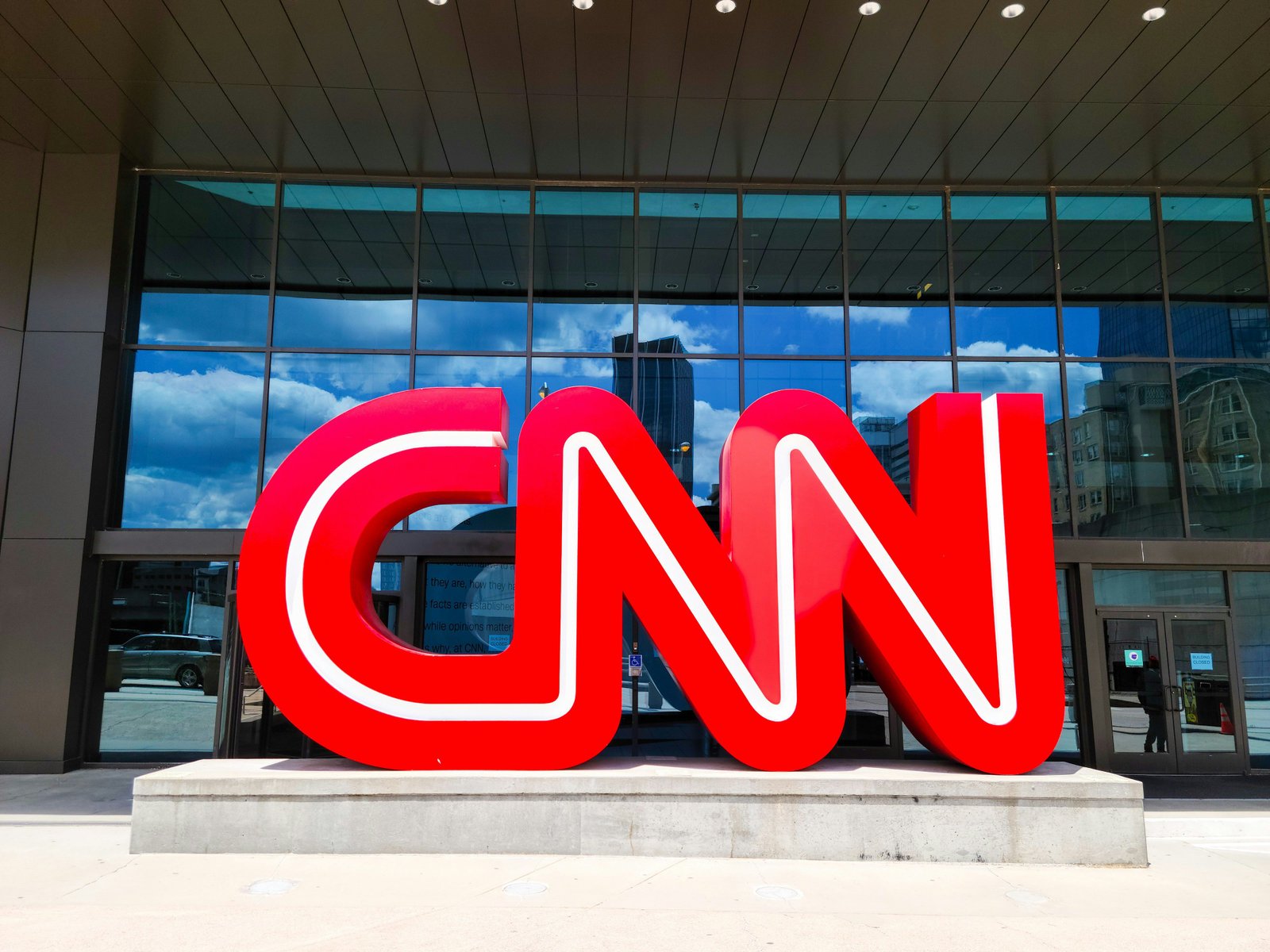
The criticism of Australia’s law stands in stark contrast to the Trump administration’s own actions at home. On Friday, Trump announced he was banning CNN, MS NOW, and Politico from the White House, accusing them of writing “fiction and lies” about his administration.
Reporters from all three outlets were turned away on Saturday. Their badges were deactivated or confiscated. The three outlets have filed a lawsuit in a Washington court, accusing Trump of a “direct assault” on constitutional free speech rights.
“The Constitution does not allow a president or any other government official to deprive the press of their First Amendment rights … based solely on his dislike of the content of their reporting,” the complaint says.
In solidarity, the major television networks — ABC, CBS, Fox News, NBC, and CNN — suspended pooled coverage of Trump. Photographers from The New York Times, The Associated Press, Reuters, and others withheld images of Trump’s appearances.
The Contradiction
The contrast has not gone unnoticed. Greens senator David Shoebridge called the US submission “an extraordinary act of direct foreign interference by the US embassy in domestic Australian politics.”
The US embassy’s submission also called on Australia to exempt US social media companies from the legislation. It argued that “mandated platform design features, especially when applied to algorithms, may affect what users see, say, and hear not just in or from Australia, but globally.”
Critics say the US position is hypocritical: Washington is demanding that Australia not regulate American tech companies while the Trump administration punishes American journalists for their reporting.
The Bottom Line
The US has accused Australia of censorship over its proposed algorithm opt-out law. At the same time, President Trump has banned CNN, MS NOW, and Politico from the White House, prompting a lawsuit and a boycott by major networks. The contradiction has drawn accusations of hypocrisy and foreign interference. Australia’s prime minister has defended the law as giving users control over their feeds, not government control over speech.
My Opinion
The United States cannot have it both ways. It cannot tell Australia that regulating algorithms is “censorship” while the president bans CNN, MS NOW, and Politico from the White House for writing things he does not like. It cannot lecture Canberra about free speech while revoking the press credentials of journalists whose reporting offends the Oval Office. That is not a defense of liberty. That is a double standard dressed up as principle.
Australia’s law is not perfect. Giving users the ability to turn off algorithms is a reasonable idea, but the details matter. The US is right to raise concerns about vague definitions of harm and the risk of overreach. But those concerns lose all credibility when they come from an administration that is actively punishing news organizations for their coverage. If the White House genuinely believes in a free press, it should stop deactivating the badges of reporters who ask unwelcome questions.
The irony is almost too obvious to state. The US embassy’s submission warns that Australia’s law could “affect what users see, say, and hear not just in or from Australia, but globally.” That is exactly what the Trump administration is doing to American journalism right now — deciding who gets to speak, who gets access, and who gets punished for saying the wrong thing. If the US wants to be taken seriously on free speech abroad, it should practice what it preaches at home.