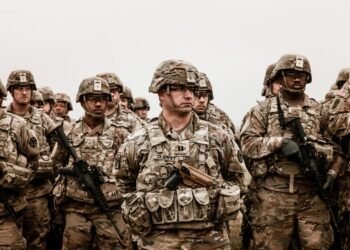
The US demands that Iran pledge free passage in the Strait of Hormuz following a series of hostile ship attacks that have destabilized and are still destabilizing the world’s most critical maritime point. The two countries are converging on Oman in a bid to restore commercial transit.
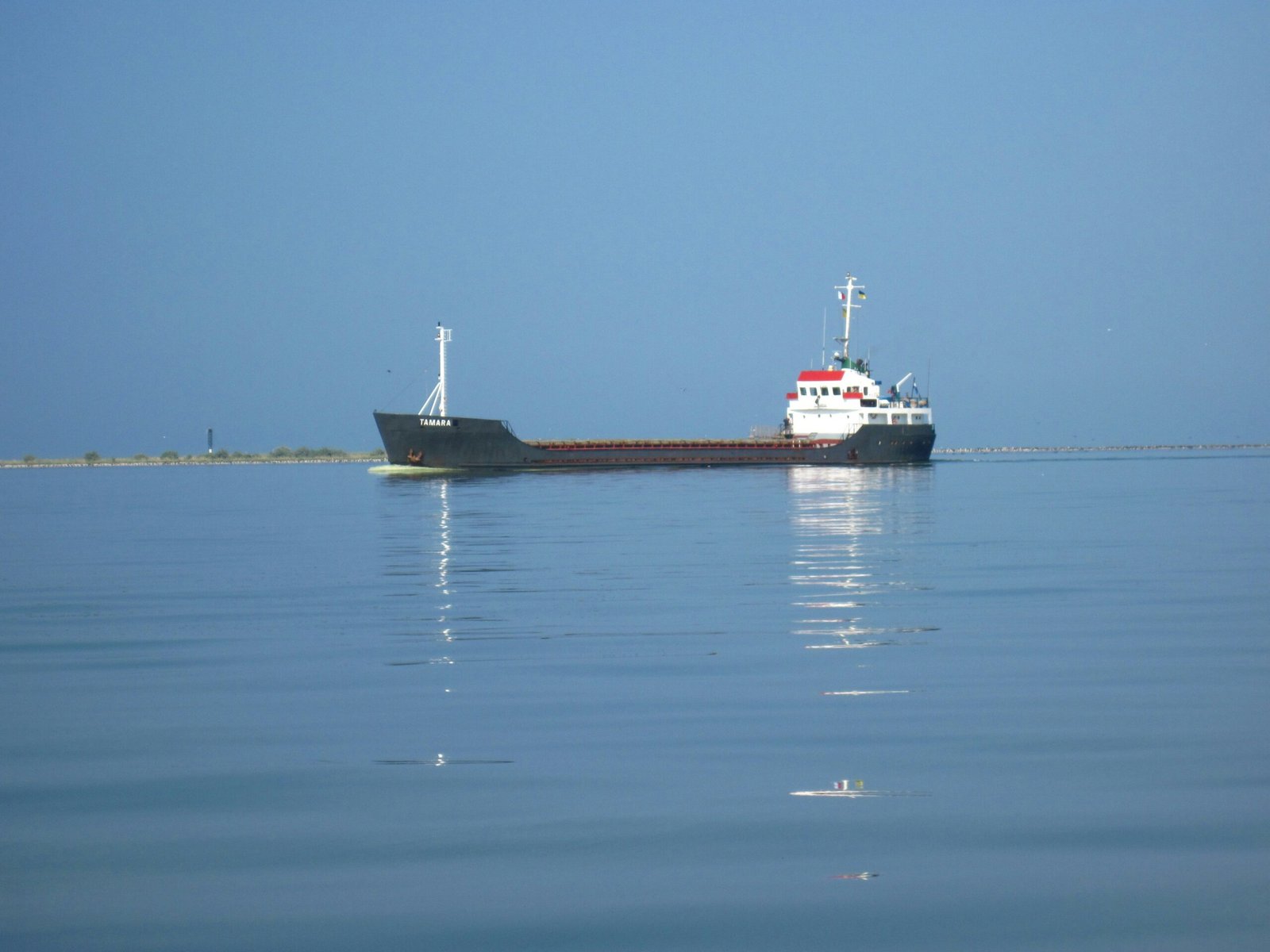
The Strait of Hormuz is the literal artery and heartbeat of the global energy economy, serving as the transit route for roughly one-fifth of the world’s daily petroleum supply. Over the course of the ongoing five-month conflict, Tehran has increasingly asserted control over this narrow passageway, leveraging its strategic positioning to disrupt trade and create a maritime problem.
The current issue happened after three Qatari and Saudi commercial tankers came under direct fire earlier in the week. In response, the U.S immediately revoked Iranian crude export licenses and struck regional targets, prompting retaliatory strikes from Iran. Seeking a permanent solution, the United States is holding a hard line: Iran must publicly pledge that all shipping lanes will remain open, completely toll-free, with zero threat of military harassment.
Diplomacy Amidst a Shattered Ceasefire
Despite U.S. President Donald Trump declaring that the existing ceasefire is officially over, Iranian Foreign Minister Abbas Araqchi has arrived in Oman to coordinate potential security structures, while a high-level U.S. delegation, including Vice President JD Vance, Secretary of State Marco Rubio, and Jared Kushner, is preparing for urgent multilateral talks.
My Opinion
Iran’s claim that these tanker strikes were just an “errant part of their system” is an absolute joke. Tehran knows exactly how fragile the global economy is, and they are intentionally squeezing the Strait of Hormuz to force the U.S. back to the negotiating table on its terms.
By threatening the world’s oil supply, Iran is trying to weaponize American inflation against the Trump administration right before the November elections. It is a highly effective, incredibly dirty strategy. However, U.S demand for a public pledge is equally idealistic. A piece of paper signed in Oman won’t stop rogue drone strikes when tensions flare up next month. If the international community wants true freedom of navigation, it needs to stop relying on empty promises and establish a permanent, heavily armed naval coalition to police the corridor. Anything less gives Iran power.
Bottom Line
As the weekend progresses, the international community remains on high alert for any signs of maritime disruption. The successful resolution of the Oman summit is not certain, with hardline factions within Iran’s Revolutionary Guard threatening to walk away from the table entirely. Until a verifiable, public agreement is stated, commercial shipping companies are routing vessels with extreme caution, keeping global energy markets suffering.