The United States military has announced the creation of a new task force aimed at disrupting Iran’s efforts to move advanced weapons, restricted materials and other sanctioned goods through its land borders and the Caspian Sea.
The initiative, named Task Force Iron Gate, will operate from Tampa, Florida, and work alongside other US government agencies to monitor and restrict Tehran’s supply networks.
The task force will also target the movement of dual-use technologies that could support Iran’s military activities and seek to disrupt revenue sources Washington considers illegal.
The development represents another attempt by the Trump administration to intensify economic and military pressure on Iran, more than eight months after the United States and Israel began their war against the Islamic Republic.
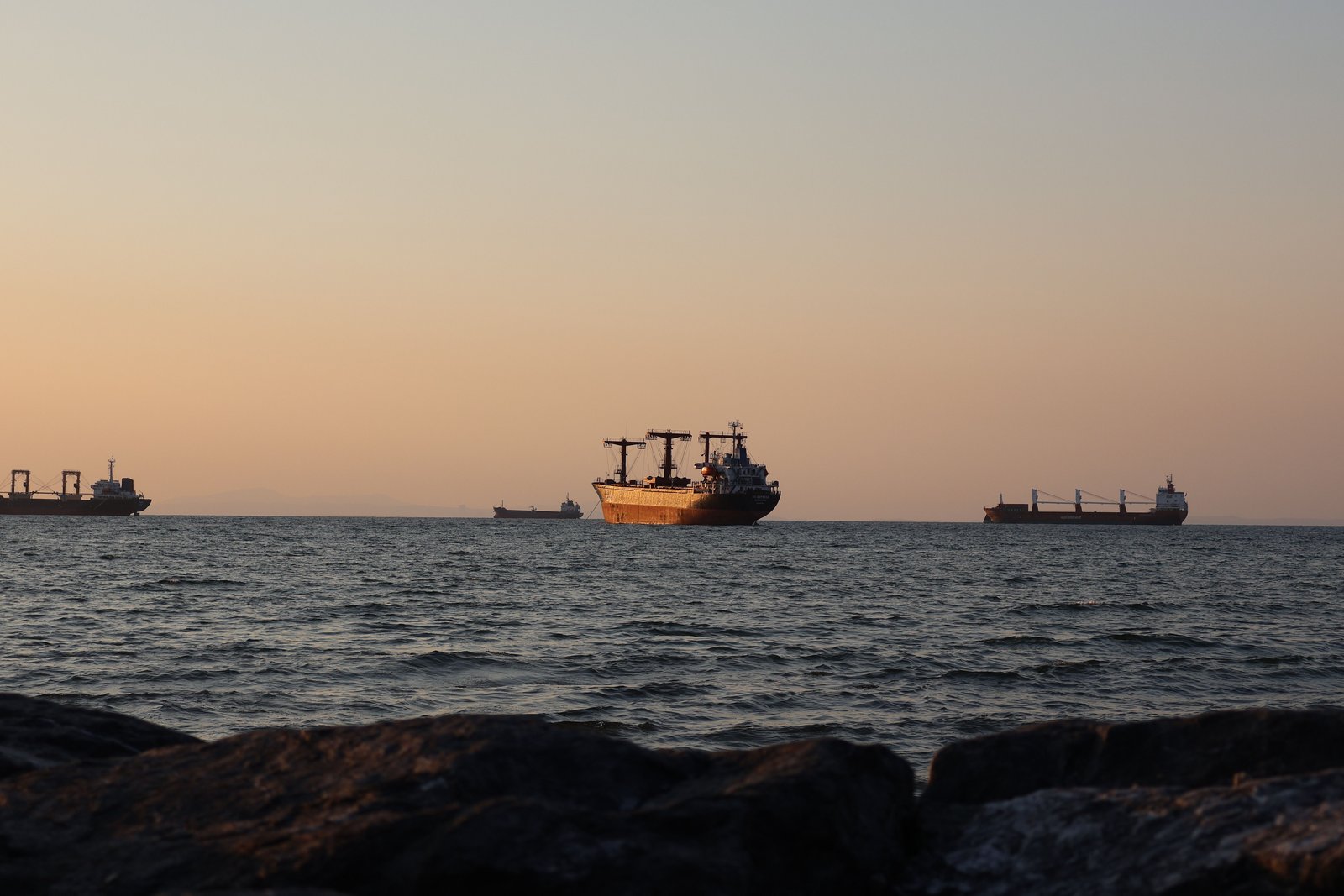
Although American military strikes have significantly weakened Iran’s conventional military capabilities, and a US naval blockade has restricted its crude oil exports through the Strait of Hormuz and the Arabian Sea, Tehran continues to pose a security challenge in the region.
Iran’s leadership has also maintained its grip on power despite the military and economic pressure.
Iran’s alleged secret supply network
A Reuters investigation revealed that Iran established a covert network involving military agencies to acquire at least $2bn worth of equipment, explosives and heavy-duty trucks from January 2025.
The operation reportedly enabled Tehran to obtain the materials despite Western sanctions and the US naval blockade.
According to the investigation, the supplies entered Iran through different routes, including cargo vessels travelling from Russia across the Caspian Sea, trucks coming through Central Asia and freight aircraft from China.
The US Central Command said Task Force Iron Gate would coordinate its activities with other government institutions.
A US military official, who spoke anonymously, disclosed that the collaboration was expected to involve the Treasury, State and Justice Departments, as well as intelligence agencies.
Admiral Brad Cooper, the commander of Central Command, said the initiative would make it more difficult for Iran to fund militant activities and restore its military infrastructure.
“Strengthening CENTCOM’s collaboration with US interagency partners will further constrain Iran’s ability to finance terrorism, rebuild weapons factories, and replenish their military,” Cooper said.
Central Command also estimated that the naval blockade had stopped Iran from exporting crude oil worth more than $25bn.
Political pressure mounts on Trump over Iran war
Despite the impact of the US military campaign and restrictions on its oil exports, Iran has continued to demonstrate resilience.
Tehran also welcomed the outcome of the US midterm elections, which dealt a major blow to President Donald Trump’s Republican Party and handed control of Congress to opposition Democrats.
US Vice President JD Vance attributed the Republican Party’s poor electoral performance partly to the Iran war and appeared to question whether the conflict had been worth the cost.
Meanwhile, diplomatic mediators have stepped up efforts in recent days to secure an end to the conflict between Washington and Tehran, amid concerns that hostilities could resume following the midterm elections.
Trump has threatened to launch another military offensive against Iran, raising anxiety among Gulf countries.
Tehran has warned that any renewed attack could trigger widespread retaliation against infrastructure across the Gulf region.
Reuters previously reported that US intelligence assessments conducted in recent months suggested fresh military strikes would be unlikely to fundamentally change Iran’s negotiating position or lead to the collapse of its government.